Coliving in Costa Rica for Digital Nomads
Costa Rica works. In a real, you-can-actually-get-things-done way. The country runs on UTC-6 with no daylight saving changes, which means US East Coast overlap is solid and European calls are early but doable. Internet has improved a lot in the last few years: coworking spaces in Santa Teresa and San José routinely hit 50+ Mbps, fast enough for calls and nothing to stress about. Monthly costs land anywhere between $1,500 and $2,500 depending on whether you're in a beach town or the capital, and whether you cook or eat out every meal (spoiler: you'll eat out every meal). US and EU citizens get 90 days visa-free on arrival. Pura Vida is the actual pace here. People are friendly, food is cheap and good, and the biodiversity will casually ruin every other country for you.
Key Stats
Best Neighborhoods for Remote Workers
Santa Teresa
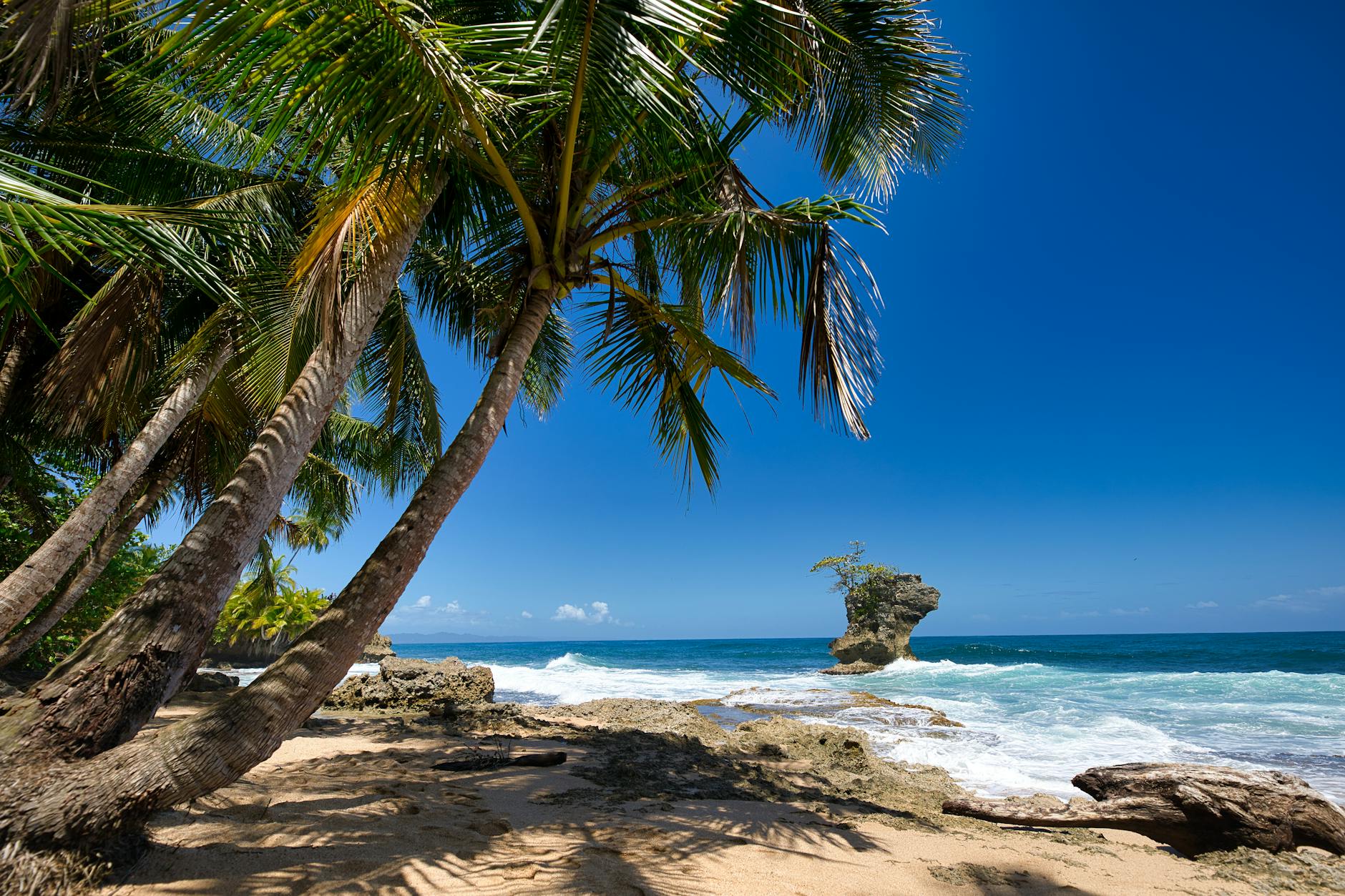
This is the one. A surf town on the Nicoya Peninsula that somehow became one of the better remote work spots in Latin America. It shouldn't work. It's remote, the roads are unpaved, and a howler monkey will wake you up at 5am. But the coliving and coworking scene here is mature, the community is tight, and you can be in the ocean between calls. Expect a mix of long-term nomads, surfers who accidentally stayed six months, and people who came for a week and are now renewing their lease. Costs are higher than the rest of Costa Rica but still reasonable. The internet at dedicated coworking spaces is reliable; the wifi at your Airbnb may not be.
San José
The capital is the one most nomads skip, which is a mistake if you care about food and culture. San José has the best internet in the country, the most sophisticated restaurant scene, good infrastructure, and a functioning city grid. It's not beautiful in a postcard sense, but it's comfortable, cheap, and has the kind of local life that beach towns sacrifice for tourists. If you're planning to stay long-term or need serious bandwidth for your work, base yourself here for at least a few weeks.
Tamarindo
The gateway drug. It's more developed, more touristy, and easier to navigate than Santa Teresa — good if it's your first time in Costa Rica and you want training wheels before committing to somewhere more remote. The beach is beautiful, there's a decent coworking scene, and flights from San José are under an hour. Stays are typically shorter here; it's a good spot to land before deciding where to actually set up.
Manuel Antonio
If you need nature therapy between calls, Manuel Antonio delivers. National park on your doorstep, monkeys at breakfast, jaw-dropping Pacific views. It's more resort-oriented than nomad-oriented, so expect slower pace and fewer community vibes. Works best for people who want quiet and green, not coworking socials.
Coworking Spaces in Costa Rica
Selina (multiple locations): Santa Teresa, Tamarindo, San José, and several others. Selina built its brand on exactly this market: digital nomads who want reliable wifi, a social scene, and a hammock nearby. The spaces vary in quality by location but are consistent enough that you know what you're getting. Events, coliving packages, and a community that skews young and international.
Outpost Santa Teresa: Smaller, more local-feeling than Selina. Good wifi, a focused working environment, and the kind of place where you talk to people instead of staring at your screen with headphones in for eight hours. Day passes and monthly memberships available.
Impact Hub San José: Professional, well-equipped, and designed for people who need a serious working environment: good acoustics for calls, private meeting rooms, fast internet. Less Instagram-friendly than the beach options, more "I have deliverables today" energy. Worth knowing about if you have a heavy work week.
What to Eat in Costa Rica 🍽️
Let's be honest: Costa Rican food doesn't get enough credit. It's not flashy. It doesn't have the global profile of Mexican or Peruvian cuisine. But it's deeply satisfying in a way that sneaks up on you by week two.
Gallo pinto is the foundation. Rice and black beans cooked together with Salsa Lizano, a local Worcestershire-style sauce that's tangy, slightly smoky, and inexplicably addictive. You'll eat this at breakfast. Then probably again at lunch. The Ticos eat it every day without complaint and they're onto something.
Casado is the plate lunch Costa Rica runs on: rice, black beans, salad, plantains, and your choice of protein (fish, chicken, beef). At a soda (the family-run local restaurants that look like nothing from the outside), a casado costs $4-6 and it will be good. Don't walk past these places because they look basic. Go inside.
Ceviche here is different from Peruvian ceviche. It's gentler, less acid-forward, and often mixed with finely chopped vegetables. Get it by the coast while it's fresh. The version at a beachside shack will cost you $5 and briefly make you question every life choice that didn't involve more ceviche.
Chifrijo is bar food done right: a bowl layered with rice, beans, crispy chicharrón (fried pork), pico de gallo, and avocado. It was invented in San José, it's officially a protected cultural food (yes, really), and it goes with a cold Imperial beer in a way that should be studied by scientists.
Patacones are twice-fried green plantain, smashed flat, fried again until golden and sturdy. Eat them with black bean dip, sour cream, or just salt. They're everywhere and they're always good.
Fruit is the thing you'll miss most when you leave. Mango, papaya, pineapple, cas (a tart local fruit you make juice from), and pipa fría, a green coconut handed to you with a straw, drunk on the side of a dirt road in 30-degree heat. Costa Rica has some of the best fresh fruit in the world and the locals treat it like it's completely normal, which it is, but it isn't.
The Mercado Central in San José is worth a morning. Old covered market, cheap food stalls, coffee roasters, butchers, spice sellers. Get the coffee — Costa Rican coffee is excellent and the Mercado is where you buy it before the tourist markup.
Frequently Asked Questions
Do I need a car in Costa Rica?
Depends where you are. In San José, no — Uber works fine and the city is navigable. In beach towns like Santa Teresa or Tamarindo, yes, or at least a scooter. The roads to and between beach towns are rough and distances are deceptive. Renting a 4x4 for a month is around $600-800; scooters are much cheaper and work for most beach-town errands. The drive from San José to Santa Teresa takes 3-4 hours with a ferry crossing.
Is Costa Rica expensive compared to other nomad destinations?
For Central America, yes — it's the priciest country in the region. Compared to Europe or Southeast Asia's tourist belt (Bali, Chiang Mai), it's roughly comparable or slightly cheaper. Where Costa Rica wins is value: the nature, safety, and quality of life are high for what you pay. You're not going there to save money; you're going there to live well.
What's the best time of year to visit for remote work?
December to April is dry season — sunny, reliably good weather, easier to travel between regions. May to November is rainy season, which on the Pacific coast means consistent afternoon downpours (great for productivity in the mornings, annoying if you're trying to go anywhere at 3pm). The Caribbean side has its own rain pattern, more or less inverted. Most nomads prefer dry season but rainy season has its charm and accommodation is cheaper.
Can I extend my 90-day visa?
The most common method is a "border run" — leaving the country briefly (Panama or Nicaragua are close) and re-entering to restart your 90 days. It works, it's widely done, and the border at Paso Canoas to Panama is straightforward. Costa Rica does not currently offer a dedicated digital nomad visa, though this has been discussed. Always check current immigration rules before you travel.
Is the internet reliable enough for full-time remote work?
At a dedicated coworking space: yes. At a random Airbnb: check the reviews specifically for wifi and assume the worst until confirmed. The infrastructure in San José is solid. Beach towns like Santa Teresa have improved a lot but can have outages. The practical answer is: get a local SIM (Kolbi or Claro have good coverage), use your phone as backup, and do your video calls from a coworking space if the stakes are high.
Related Destinations
Loved the beach-town pace? Try somewhere equally slow but different in flavor: