Coliving in Da Nang, Vietnam for Digital Nomads
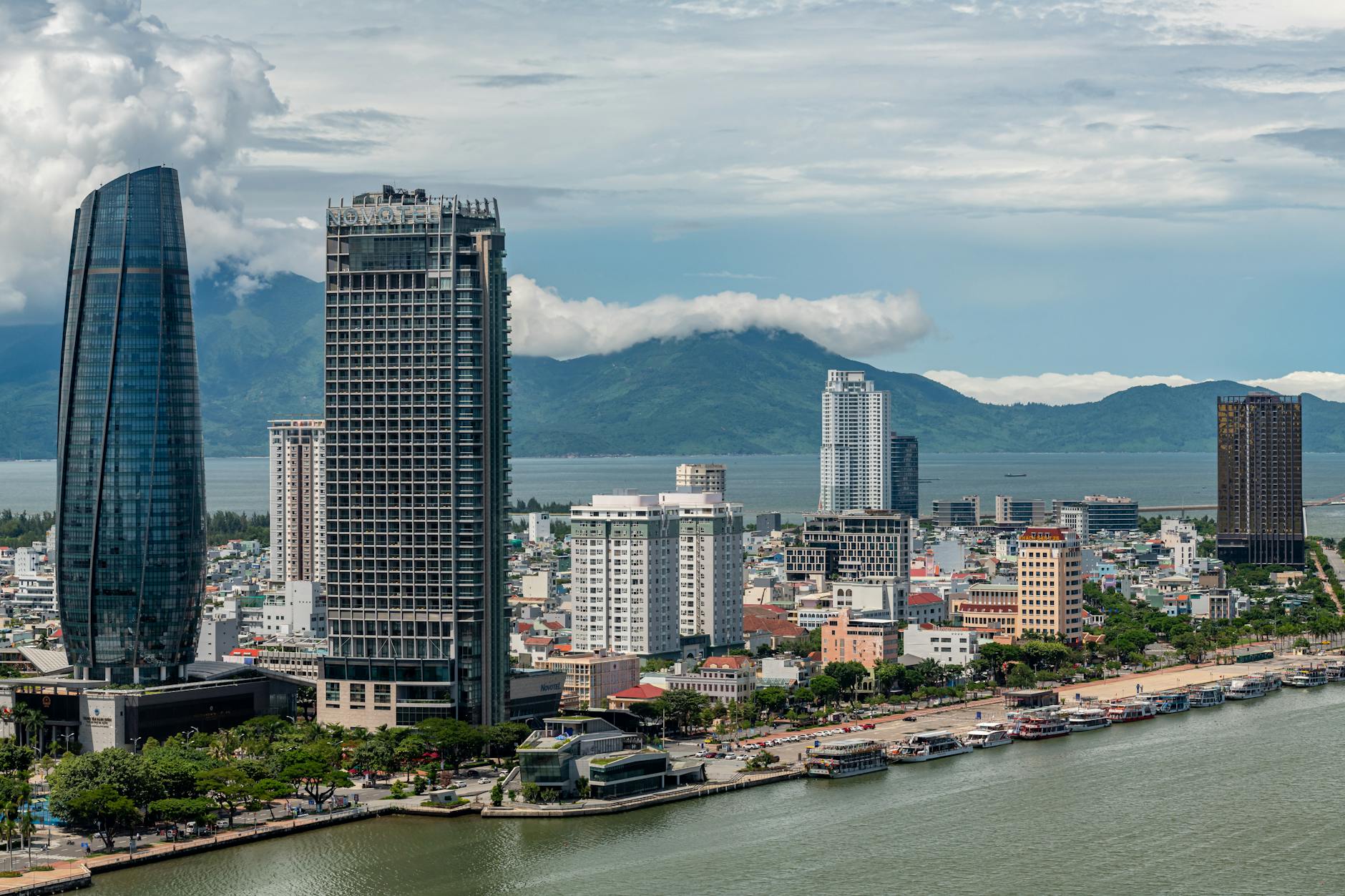
Da Nang sits on Vietnam's central coast, wedged between the old imperial capital of Hue and the UNESCO town of Hoi An, and it's become one of Southeast Asia's best cities for digital nomads who refuse to choose between a solid work setup and waking up ten minutes from the ocean. It's bigger than Bali, less hectic than Bangkok, and doesn't have Chiang Mai's landlocked energy. Monthly costs run $900–$1,400 depending on how often you eat local versus tourist-trap. The internet is fast: 50–100 Mbps standard at coworking spaces and serious cafes. The city itself is clean, modern, and safe in a way that lets you actually relax. The food will convince you to stay longer than you planned. Start with Mi Quang, the local noodle dish that doesn't exist quite the same way anywhere else on earth.
Source: Numbeo Cost of Living Da Nang, 2025
Key Stats
Cost data: Numbeo Da Nang, 2025
Best Neighborhoods for Remote Workers
An Thuong is where most nomads land first, and for good reason. A grid of low-rise streets a few blocks from My Khe Beach, full of cafes that take their wifi speeds seriously, cheap pho spots, smoothie bars, yoga studios, and the occasional rooftop bar. Everything is walkable. Furnished studios run $300–$450/month. The community is already there. You'll be recognizing faces within a week.
Han River / Hai Chau District is the urban alternative if you don't want to live in an expat bubble. More Vietnamese, more local, noticeably cheaper. You're near the Dragon Bridge (which breathes actual fire on weekend nights, not a metaphor), the central markets, and a restaurant scene that feels lived-in. The internet at cafes here is just as fast, and the banh mi at 7am hits different when it costs 25,000 VND.
Son Tra Peninsula is for people who need quiet to function. It juts north into the bay with jungle hiking trails, secluded beaches, and panoramic views of the whole coastline. A scooter is mandatory, but the isolation is the point. Lower rents, fewer western restaurants, excellent sunrises. Good if city noise drains your battery.
My Khe Beachfront is the most tourist-heavy strip but has the best sunsets. Works well if you want beach access without scooter dependency. Pricier than An Thuong but you're paying for the view of the South China Sea from your balcony, which is a reasonable tradeoff.
Coworking Spaces in Da Nang
Toong Da Nang is the most professional option in the city, part of a well-established Vietnamese coworking chain with fast reliable internet, private meeting rooms, and a community that mixes local tech workers with remote expats. Day passes available. Monthly memberships around $80–$120.
Enouvo Space is the dedicated nomad hub: hot desks, fixed desks, private offices, and regular community events that actually bring people together rather than just being an excuse to put it in the brochure. Rates around $100/month. Consistently recommended by the Da Nang nomad crowd.
Kaffa Coffee & Coworking runs the line between specialty cafe and actual coworking space. You go for the espresso, you stay because nobody judges you for sitting four hours on back-to-back video calls and the fiber holds at 80 Mbps. An Thuong location keeps you close to the beach.
What to Eat in Da Nang
This is the real reason to come. Full stop.
Mi Quang is the dish that defines this city and doesn't exist quite the same way anywhere else in Vietnam. Turmeric-yellow noodles, wide and slightly firm, served with just a few spoonfuls of rich pork and shrimp broth at the bottom. Barely enough to coat the bowl. Topped with fresh herbs, crushed peanuts, sesame rice crackers, a hard-boiled quail egg, and half a banana blossom. You mix everything together until the crackers soften into the noodles and the herbs wilt from the residual heat. It costs about 30,000 VND ($1.20) at a good local spot. Order two. The second one is always better.
Banh Xeo, sizzling Vietnamese crepes, are exactly as good as they sound. A thin, crispy rice-flour shell fried in a screaming-hot pan with coconut milk batter, packed with shrimp, pork belly, and bean sprouts, then folded in half and handed to you wrapped in mustard leaf and rice paper with a bowl of nuoc cham for dipping. The crunch when you bite through it is the whole point. Find a place where the pans never stop going and the smoke is visible from the street.
Bun Cha Ca is Da Nang's fish cake noodle soup: delicate, subtle, the kind of bowl that sneaks up on you. Thin vermicelli in a clean broth with slices of fried fish cake that are springy and faintly smoky. Breakfast food. Morning only at most spots, gone by 10am. Set an alarm.
Con Market (Cho Con) is the place to eat like someone who actually lives here. The upstairs food court is a grid of stalls cooking everything simultaneously: Mi Quang, Cao Lau, Banh Mi, fresh-cut fruit, bun bo. Loud, cheap, no English menus, better for it. Go hungry and point at whatever looks good at the table next to you.
My Khe beachfront seafood is its own category. Late afternoon, the fishing boats come back and the catch goes directly into the kitchen. Whole grilled squid brushed with lemongrass butter. Clams steamed with chili and lime leaves. Tiger prawns with garlic and sea salt served in the pan. Eat outside, bring cash, eat more than you planned to. There's no other way to do it.
FAQ
Is Da Nang good for digital nomads year-round?
Best months are February through August: warm, dry, consistently excellent. September through November is typhoon season: manageable but expect heavy rain and occasional multi-day storms that pin you indoors. December through January is cooler (18–22°C, which Vietnam treats like a national emergency) and overcast. Most nomads time it for the dry season and use cheaper rents in the rainy months as a silver lining.
How reliable is the internet?
Fast and reliable. Fiber is widely available in apartments and coworking spaces at 50–150 Mbps. Cafe wifi in An Thuong is competitive. Places post their speeds because nomads ask. Backup: a local SIM with 4G data costs about $7/month and is fast enough for calls if you need a safety net away from wifi.
Do I need to speak Vietnamese?
No. English is common enough in nomad areas. Local restaurant menus rarely have English, but Google Translate's camera mode solves 90% of it. The one Vietnamese phrase worth learning: "một nữa" (one more). You'll use it at every meal.
What's the visa situation?
Most EU citizens get 45 days visa-free. US citizens need an e-visa ($25, 90 days, applied online before arrival through Vietnam's official immigration portal). For longer stays, the 90-day e-visa is the cleanest path. There's no dedicated digital nomad visa yet. Longer-term nomads do periodic border runs to Thailand or Malaysia and come back fresh.
How safe is Da Nang?
Very. It consistently ranks among Vietnam's safest cities. Standard urban precautions apply: don't leave bags unattended near tourist spots, use a scooter lock. Violent crime is rare and the city is well-lit and walkable in all the main areas. The locals are friendly in a way that doesn't feel put on for tourism purposes.
Related Destinations
Winter is coming. We'll be in Brazil.
Pipa chapter, Jan–Mar 2027: 30°C, surf before standup, and a dinner table that seats everyone. 180+ nomads have lived with us. Your turn.
Take me to Brazil 🇧🇷