Coliving in Phuket, Thailand for Digital Nomads
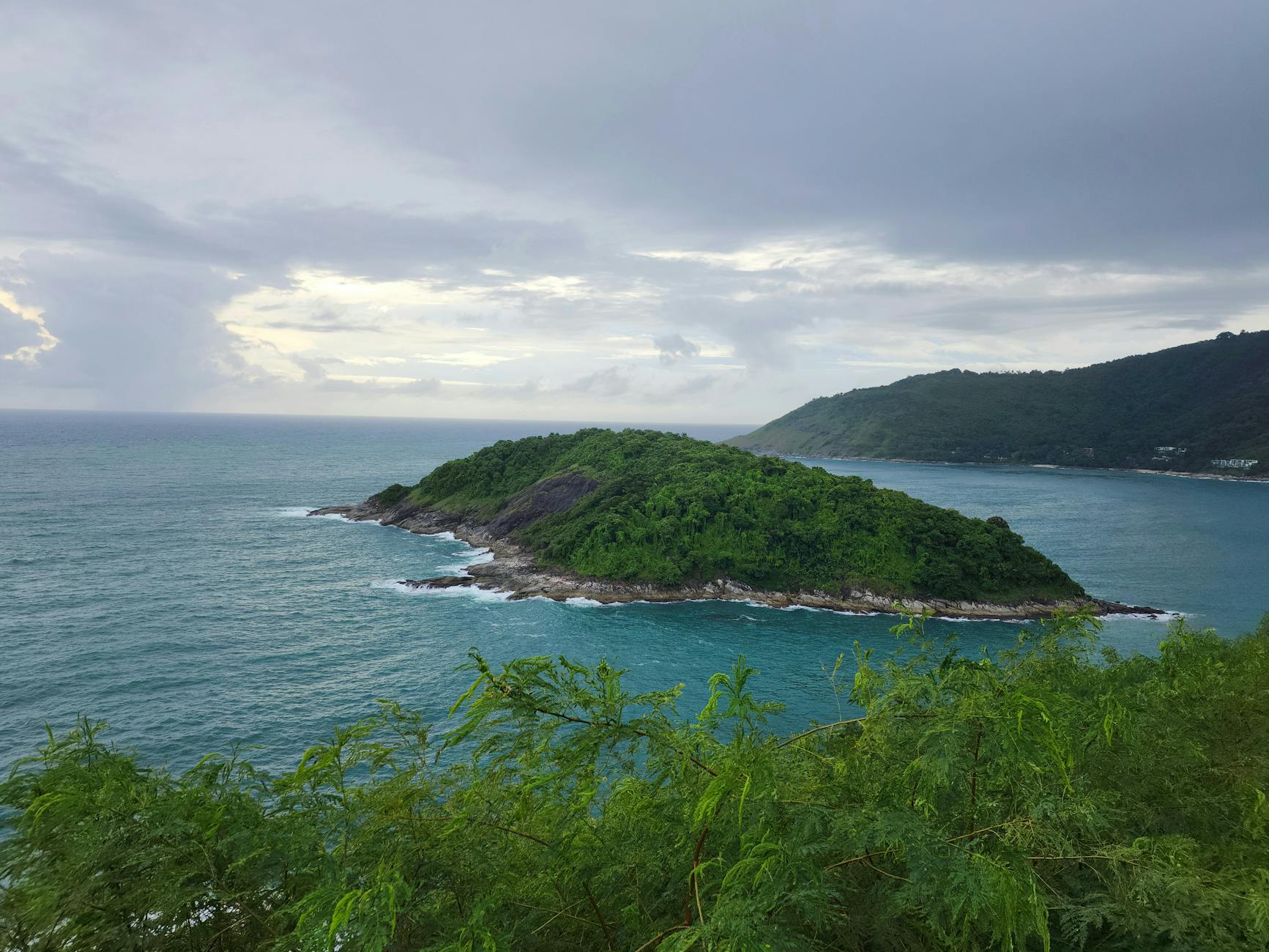
Phuket is a place that tricks you. You fly in thinking beach holiday, and then three months later you're still there, eating pad kra pao for breakfast, watching the sun melt into the Andaman Sea from a moped, and genuinely wondering why you ever paid London rent. The island has real digital nomad infrastructure now: fast fiber internet reaches most of it, coworking spaces have multiplied in Phuket Town and Rawai, and the visa situation is better than it's been in years. The cost of living is low enough that you can eat well, work well, and still save money. The tradeoff: it's touristy in patches, traffic is brutal without a scooter, and the rainy season (May to October) is no joke. But the food, the community, and the price-to-quality ratio are hard to argue with. Come for a month, stay for three.
Key Stats
Cost data sourced from Numbeo 2025.
Best Neighborhoods for Remote Workers
Phuket Town (Old Town) is the most underrated part of the island and the one nomads who've been there more than two weeks end up in. Sino-Portuguese architecture, independent coffee shops, the Friday Night Market, actual local life. Rents are lower, the streets are walkable, and the food scene is extraordinary. If you want to feel like you live somewhere rather than just visit it, this is your base.
Rawai is the expat hub in the south. Quieter than the tourist-heavy north, popular with long-stay nomads and people who prioritize having a life outside their laptop. Close to Nai Harn beach (less crowded, more beautiful than anything near Patong), with a good coffee scene and some of the island's best coworking options. You need a scooter, but you need a scooter everywhere in Phuket.
Kata and Karon are the mellower beach areas. Still touristy but nothing like Patong (avoid Patong for working unless you enjoy noise and chaos). Decent café culture, walkable to the sand, and the sunset views are serious.
Chalong is central, practical, and affordable. No beach, but everything else is accessible. A lot of long-term expats plant themselves here because the logistics just work.
Coworking Spaces in Phuket
Hive Phuket (Phuket Town) is the go-to for serious work days. Modern, well-designed, strong community, regular events. The kind of place where you accidentally make friends because someone borrows your charger and ends up being your dinner companion.
The Work Lab (Rawai) is smaller and more relaxed. Popular with the south Phuket crowd and close enough to the beach that you can justify a lunchtime swim. Day passes available, good espresso.
Co Phuket has multiple locations across the island. Reliable internet, air-con that actually works, and a mix of drop-in and monthly memberships. Solid choice if you want flexibility.
What to Eat in Phuket 🍜
Phuket food is not just Thai food. The island has deep Peranakan heritage, Baba-Nyonya roots from Chinese-Malay settlers who built the old tin mines and stayed. That means dishes you won't find anywhere else in Thailand, sold out of shophouses that have been there for generations. This is where we get excited.
Moo Hong is Phuket's braised pork belly, slow-cooked in soy, garlic, and star anise until it stops being meat and starts being something spiritual. Find it at a kopitiam (old-school coffee shop) for breakfast at 7am alongside black coffee and toast with kaya jam. It's not glamorous. It will ruin pork for you everywhere else.
Khanom Jeen is fresh rice noodles with multiple curry sauces poured over the top: you pick your curry, the aunties pour it. Southern Thailand's version of a build-your-own bowl, except the curries are deeply spiced and the noodles are silky and the whole thing costs about 50 baht. Find it at the morning markets in Phuket Town before 10am or it'll be gone.
O-Tao (Oyster Omelette) is a Phuket specialty you need to try at least twice. Crispy-bottomed, egg-soft in the middle, full of fresh oysters cooked on a screaming-hot griddle. The texture does something to your brain. Get it on Dibuk Road in the Old Town.
Pad Kra Pao exists everywhere in Thailand, but ask for Thai-spicy in Phuket and you'll understand what the word means. At 40-50 baht from the right street stall, it's the best value meal in Southeast Asia. Rice cooker in the corner, fluorescent lights, plastic chairs: that's how you know it's right.
For night markets, Chillva Market (Phuket Town, Thursday to Sunday) is the one locals actually attend. Grilled everything, mango sticky rice, satay, cheap beer. The Old Town Friday Night Market on Thalang Road has Sino-Portuguese street vibes and more food than you can reasonably eat. Go hungry, go early, bring cash.
For seafood: if you're staying more than a week, find a local restaurant near Rawai Seafood Market and let the aunty pick what's fresh. Point at the tank, pay by weight, watch it arrive grilled with garlic and fish sauce. It will be 500 baht for two people. You will feel something.
FAQ
Do I need a visa to stay in Phuket as a digital nomad?
Most US and EU passport holders get 60 days on arrival (visa exemption), which you can extend for another 30 days at the local immigration office in Phuket Town. For longer stays, Thailand's Long-Term Resident (LTR) Visa is a legitimate option for remote workers with proof of income. The rules change, so check the Thai immigration website before you travel.
Is a scooter essential?
Honestly, yes. Phuket has very limited public transport and the distances between neighborhoods are real. Scooters rent for around 3,000-4,000 baht per month. Wear a helmet, drive sober, and don't underestimate the traffic. Grab (the regional Uber) works for occasional trips but you'll spend a lot if you rely on it daily.
What's the internet situation like?
Genuinely good. Most coliving spaces, coworking offices, and cafés have fiber connections running 100-200 Mbps. The Old Town and Rawai are the most reliable areas. Patong can be patchy depending on the building. Get a local SIM from AIS or DTAC for backup data.
When is the best time to visit Phuket?
November to April is the dry season: clear skies, calm Andaman Sea, busy (and pricier) accommodation. May to October is monsoon season: cheaper, quieter, genuinely lush, but you will get rained on. The rain usually comes in intense bursts rather than all-day drizzle, so working from a coworking space with a window and watching the storm roll in is actually quite good.
Is it easy to meet other digital nomads in Phuket?
Much easier than you'd think. The coworking communities in Phuket Town and Rawai are tight. Facebook groups like "Digital Nomads Phuket" are active. The food scene naturally pulls people together. Show up at Chillva Market on a Friday and you will not be eating alone.
Related Destinations
Planning your Southeast Asia loop or looking for something different?