Coliving in Prague, Czech Republic for Digital Nomads
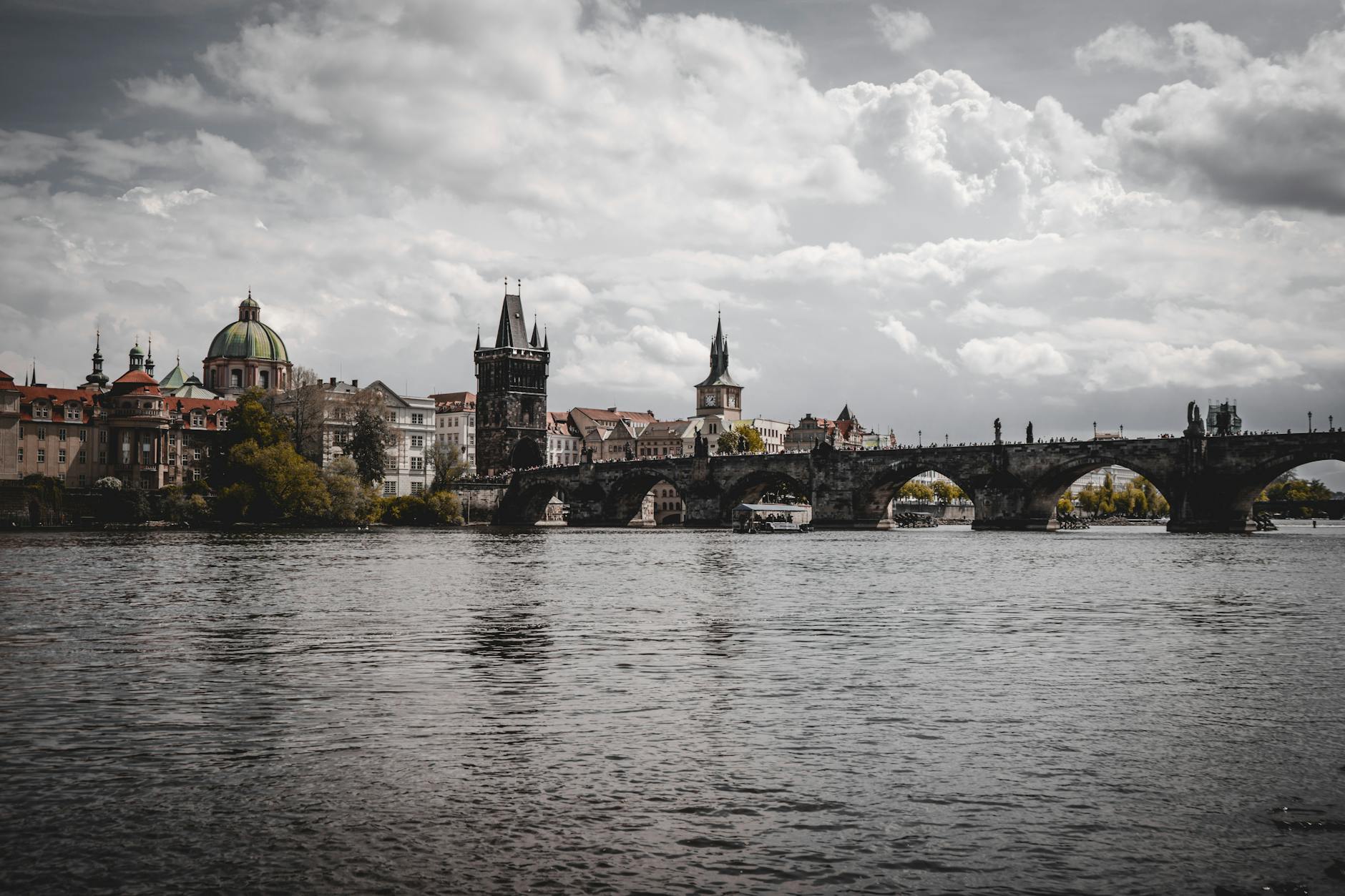
Prague is one of those cities that shouldn't work this well. It's a UNESCO-listed medieval capital with Gothic towers and cobblestone squares. Somehow it's also one of the most affordable, well-connected, fast-internet cities in Europe for remote workers. The Czech crown keeps things cheap by Western European standards. You can rent a nice apartment in a walkable neighborhood, eat at a proper restaurant every other night, and still come out under €1,500 a month. The coworking infrastructure is solid, the coffee scene has gotten good, and the expat community is established enough that you won't feel like you're the first person to show up with a laptop. If you want a European base that punches above its weight on every metric that matters — quality of life, cost, beauty, and food culture. Prague belongs on your shortlist.
Key Stats
Best Neighborhoods for Remote Workers
Vinohrady is where most digital nomads end up, and for good reason. It's residential without being boring — leafy streets, a market square (Náměstí Míru) with trams running through it, and more cafes with good wifi than you'll ever need. It has that "I live here, I don't just visit" energy. Slightly pricier than other neighborhoods but still cheap by European capital standards.
Žižkov sits next door to Vinohrady and is rougher around the edges in the best way. More pubs per capita than anywhere else in the city (allegedly in the world — Praguers will tell you this with pride). It's cheaper, more local, and increasingly popular with younger remote workers who want some grit with their flat white. The TV tower with baby sculptures crawling up it is unforgettable.
Holešovice is the creative district — repurposed industrial buildings, independent galleries, the city's best farmers market, and several coworking spaces. It's a bit further north but well-connected by metro. If you like your working environment to feel like something is happening around you, this is your spot.
Smíchov is quieter and more functional, with excellent transport links and a slightly younger residential crowd. Good option if you want to pay less and don't mind a tram ride to the historic centre.
Coworking Spaces in Prague
HubHub (Palác Archa, New Town) is the flagship — well-designed, serious setup, popular with startups and remote workers who need reliable infrastructure. Membership options are flexible and the community events are worth going to.
Impact Hub Prague (Drtinova, Smíchov) is part of the global Impact Hub network, which means you can use your membership at locations worldwide. Good for focus work. The space feels purposeful without being sterile.
Locus Workspace (Vinohrady) is smaller and cozier — more café atmosphere than corporate coworking. Good for short-term stays if you want something lighter than a full membership. The neighborhood is a bonus.
What to Eat in Prague
This is where we have opinions. Czech food gets a bad reputation from people who ate schnitzel at a tourist trap near Charles Bridge and called it research. Don't do that.
Svíčková na smetaně is the one. Slow-braised beef sirloin in a root vegetable cream sauce, served with bread dumplings (knedlíky) and a crown of whipped cream. It sounds heavy and it is, but in the best way. The kind of dish you eat on a cold Tuesday and feel taken care of. Every Czech grandmother has a different recipe and everyone thinks theirs is the correct one.
Guláš at a proper hospoda (pub) is not what you get out of a tin. Rich beef, paprika-dark, slow-cooked, served with knedlíky that soak up every bit of sauce. Order it at Lokál — a small chain of traditional Czech pub-restaurants that does this better than almost anywhere.
Smažený sýr is fried cheese on bread with tartar sauce and it is exactly as chaotic as it sounds. It's street food, it's pub food, it costs almost nothing, and it is deeply satisfying at midnight. Don't overthink it.
Nakládaný hermelín — marinated camembert in oil with chilli and onion, served in a jar with bread at the bar. You'll see it at every proper pub. Order it, eat it slowly, order another Czech beer.
For markets: Jiřák (Náměstí Jiřího z Poděbrad, Vinohrady) on Saturday mornings is the city's best farmers market. Local cheese, bread, pastries, seasonal produce. Show up early, get the pastries before they run out. Náplavka, along the riverbank in Rašínovo nábřeží, runs on weekends from spring to autumn — street food stalls, local producers, good crowd-watching with the river behind you.
The beer, obviously. Czech pilsner is not a style — it's a religion here, and Praguers drink it like water and with the same nonchalance. Pilsner Urquell, Kozel, Bernard. A half-litre at a decent hospoda costs around 50–70 CZK (€2–3). You will drink more of it than you planned.
FAQ
Is Prague good for digital nomads year-round?
Yes, though winter (November–February) is cold, grey, and short on daylight. If you thrive in those conditions, you'll love the atmospheric streets and cheap accommodation. Spring (April–May) and autumn (September–October) are the sweet spots — comfortable weather, fewer tourists, and the city at its most beautiful.
How fast is the internet in Prague apartments and coworkings?
Fast. Fiber is the norm in most Vinohrady and Žižkov apartments. Coworking spaces reliably hit 100 Mbps+. You'll rarely have connectivity issues unless you're in a basement wine bar, which, to be fair, is where you'll spend more time than you expect.
Do I need to speak Czech?
No. English is widely spoken in the centre and in neighborhoods where expats and younger Czechs live. A few words (prosím = please, díky = thanks, pivo = beer — the important ones) go a long way and are appreciated.
Is Prague expensive compared to other European cities?
By Western European standards, it's cheap. By Central European backpacker standards, less so than it used to be — Prague has gotten pricier in the last few years. But relative to Berlin, Amsterdam, or Barcelona, you're spending less for equivalent quality of life.
Can I extend my stay beyond 90 days as a non-EU citizen?
The Czech Republic is Schengen, so the standard 90-in-180-days rule applies for most nationalities. There's no official digital nomad visa yet, so longer stays require either EU residency, a Czech long-term visa (work or study basis), or a creative approach to Schengen counting. Talk to a visa specialist before planning a 6-month stay.