Coliving in Bali, Indonesia for Digital Nomads
Bali is the one that breaks your plans. You arrive for two weeks and somehow stay three months. The island sits in Indonesia's Lesser Sunda chain, about 8 degrees south of the equator, running on WITA (UTC+8), which puts you in Asia-Pacific hours, roughly 12-13 hours ahead of the US East Coast. For digital nomads, Canggu and Ubud have become the default HQs: Canggu for the beach-café-cowork triangle, Ubud for the jungle-rice terrace-yoga version of the same thing. Monthly costs land between $1,200 and $2,000 USD for most nomads, covering a private room, food, scooter, and coworking. Internet has improved over the last few years; most established coworking spaces now hit 50–100 Mbps reliably. Visas are manageable: 30 days on arrival, extendable once to 60 days, with a Social Cultural (B211A) visa getting you up to 180 days. It's hot, chaotic, smells of incense and motorbike exhaust, and once it gets into your blood you'll be planning your return from the departure lounge.
Key Stats
Best Neighborhoods for Remote Workers
Canggu is where half the world's digital nomads have ended up, and for good reason. Fiber internet, great coworking spaces, a beach, and roughly 400 smoothie bowls per square kilometer. It used to be a sleepy surf town. Now it's loud, busy, and over-touristed. But the infrastructure for remote work is excellent. If you want to meet people easily, find a cowork with a pool in walking distance, and never struggle to find a good flat white, Canggu is your move.
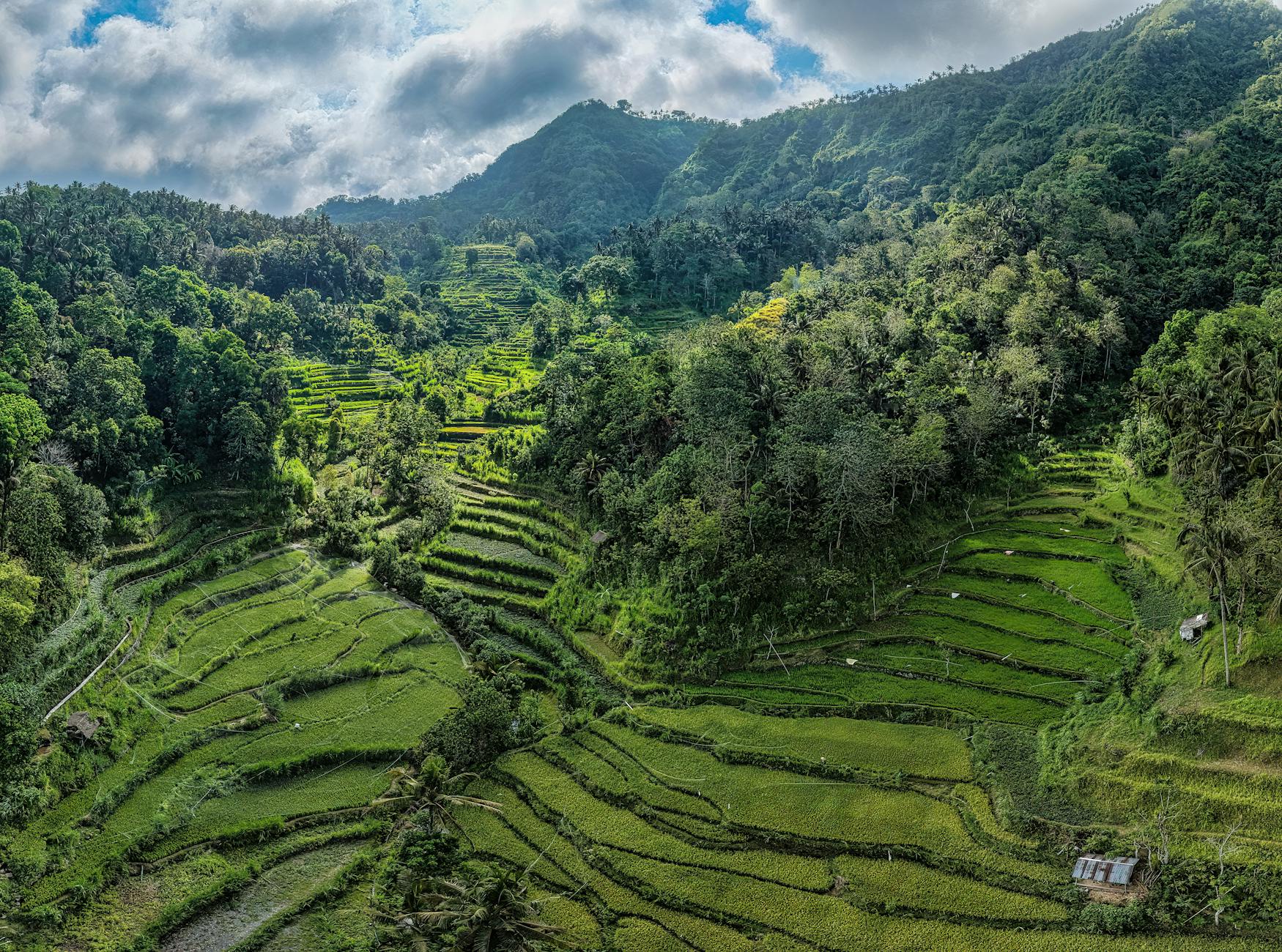
Ubud is for when you want to actually focus. Forty-five minutes inland, surrounded by rice terraces and monkey forests, it runs at a completely different pace. The food scene is remarkable (more on that below), and the jungle calm is good for deep work. Internet has caught up in the main areas. Expect earlier nights, more yoga, and dinner conversations that go somewhere.
Seminyak sits between Canggu and the airport. More polished, slightly pricier. Better if you want nice restaurants, beach clubs, and a crowd that's slightly less obsessed with starting a podcast. Less of a nomad hub, more of a lifestyle upgrade.
Sanur is the underrated one. Quiet, local-feeling, great beach for morning swims, almost none of the Canggu circus. Good internet, lower prices, and a solid community of long-term expats who actually sleep before midnight.
Coworking Spaces in Bali
Dojo Bali (Canggu) is the OG nomad cowork in Bali. Running since 2015, it has a pool, reliable fiber, private offices, standing desks, and a community of people who take their work seriously. Full memberships and day passes available — book in advance because it gets busy.
Outpost has multiple locations across Bali (Canggu, Ubud, Uluwatu). Outpost does coworking plus coliving together, so it's worth knowing if you're still sorting accommodation. The Ubud location is particularly good — jungle view, fast internet, good coffee, the whole thing.
Hubud (Ubud) was one of Bali's first coworking spaces and still has a cult following. Bamboo architecture, regular community events, and a lovely energy. Their membership includes access to talks and workshops that are genuinely worth attending.
What to Eat in Bali
Balinese food is not what most tourists eat. Most people land, go to a Canggu café, order an acai bowl, and think that's Bali. The good stuff is at the warung, small family-run spots where you eat for $2 and leave needing a nap.
Nasi goreng (fried rice with egg, shrimp paste, and whatever's around) is the dish you'll eat so many times it becomes background noise, and then miss desperately when you leave. Nasi campur is the choose-your-own-adventure version: a scoop of rice surrounded by small portions of whatever was cooked that day. Lawar (minced meat with coconut, galangal, and fresh herbs), sate lilit (spiced fish paste grilled on lemongrass skewers), and bebek betutu (slow-cooked duck in a paste of turmeric, galangal, lemongrass, and chili, wrapped in banana leaf and cooked for hours) are what Balinese people eat at ceremonies and celebrations. Track down a good bebek betutu and you'll understand why this island feels like somewhere slightly sacred.
Babi guling (Balinese suckling pig) is the one everyone talks about for a reason. Crispy skin, spiced meat, a pile of rice, and a few small dishes on the side. Ibu Oka in Ubud is famous for it and crowded because of it. But the best version is always the one you find by accident at a roadside warung with plastic chairs and a handwritten menu. That's always the story.
The markets are where it gets interesting. Pasar Badung in Denpasar is the largest traditional market in Bali: chaotic, vivid, full of fresh produce, spices, and snacks you don't have names for yet. Go early, eat breakfast there, buy something you can't identify, figure it out later.
Ubud's food scene has evolved into something serious. From high-end farm-to-table restaurants (Locavore is the benchmark, if you can get a reservation) to tiny spots serving traditional Balinese rijsttafel, Ubud eats extremely well for an inland hill town surrounded by rice paddies.
In Canggu, yes, the brunch spots are endless. But find a warung without an Instagram page and order the nasi campur. Your gut will be happier and your wallet definitely will be.
FAQ
Is Bali actually good for remote work or is it overhyped?
Both, honestly. The lifestyle is genuinely excellent — the cost, the weather, the food, the community. The internet can be inconsistent outside of dedicated coworking spaces, and the traffic is a full-time hazard. If you plant yourself in a good cowork and don't expect Scandinavian infrastructure, Bali delivers.
What's the best time of year to visit?
Dry season (May to September) is the sweet spot — less humidity, clearer skies, better surf. High season (July–August) gets crowded and prices spike. Shoulder months like May–June and September are the move: great weather, fewer people, same vibe.
How do I stay longer than 30 days legally?
Your 30-day visa on arrival can be extended once at an immigration office for another 30 days. For longer stays, the B211A Social Cultural visa gets you up to 60 days with multiple possible extensions — up to 180 days total. Most long-term nomads use a visa agent in Bali to handle the paperwork. It's legal, it's common, and it saves you a trip to the immigration office in Denpasar which is exactly as fun as it sounds.
Is Bali expensive compared to the rest of Southeast Asia?
Mid-range for the region. More expensive than Chiang Mai or Vietnam, much cheaper than Singapore or Tokyo. Canggu specifically has gotten pricier as it's gotten popular. Ubud and Sanur still offer much better value for the money.
Is street food safe to eat?
Generally yes, if the food is hot and the place is busy. Busy warung = high turnover = fresher ingredients. Use common sense, carry electrolytes for the first week, and you'll be fine. Your stomach adapts fast, and once it does you'll be eating from every roadside stall with zero hesitation.
Related Destinations
If Bali is calling you, these might too: