Coliving in Bogota, Colombia for Digital Nomads
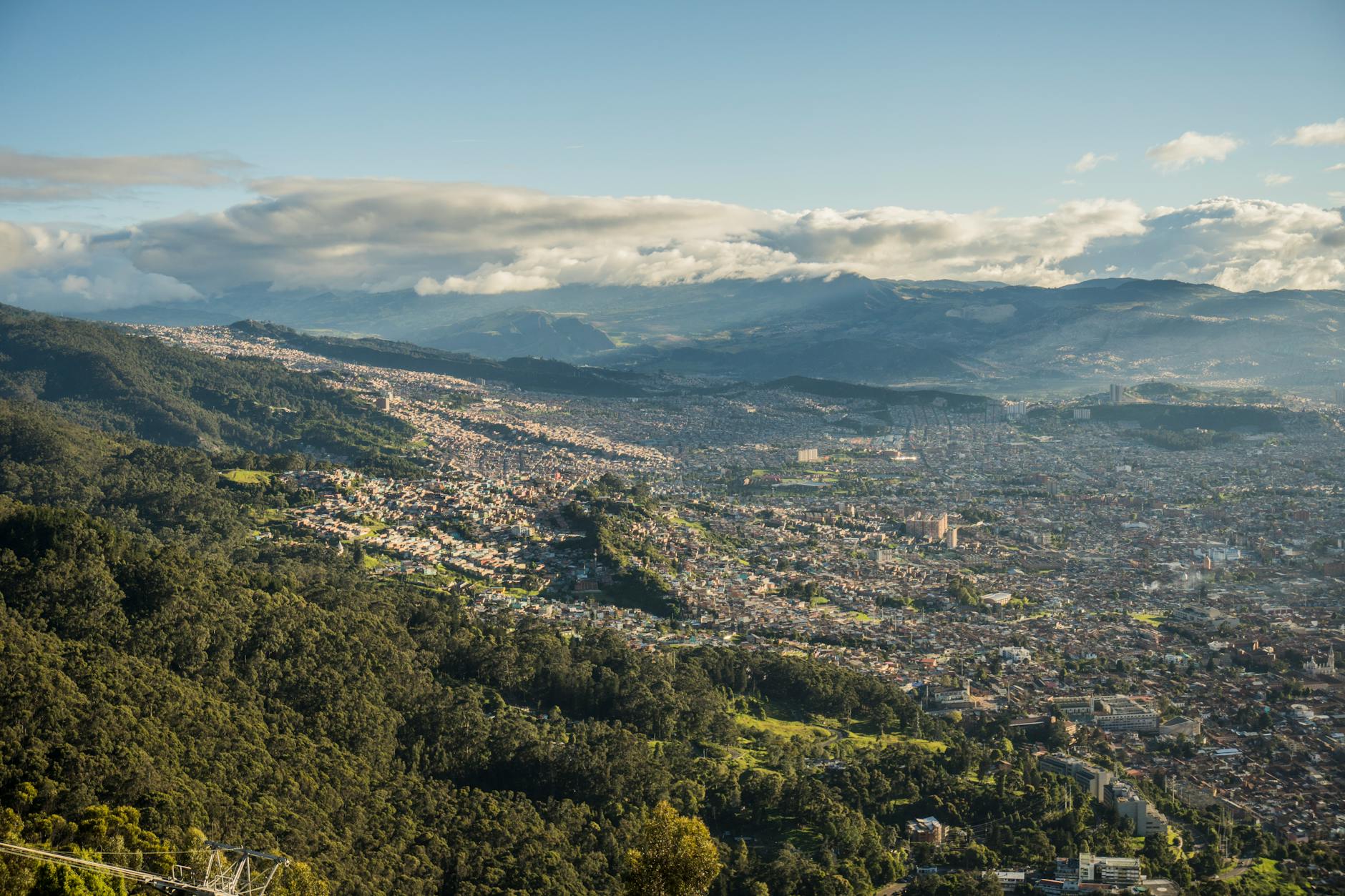
Bogota sits at 2,600 metres above sea level, which means your first few days will humble you. Stairs that should feel like nothing suddenly feel like a workout, and you'll sleep longer than expected. Give it 3-5 days and your body adjusts. Once it does, you'll find a city that quietly surprises you. Bogota has reliable fibre internet (50-100 Mbps is standard in Chapinero and Usaquén), a solid network of coworking spaces, and a restaurant scene that competes with the best in Latin America. The timezone is UTC-5 with no daylight saving, which works well for US East Coast clients and makes European morning calls manageable. US and EU citizens enter visa-free for 90 days, renewable once within the same calendar year. Monthly costs run around $1,000-1,500 USD depending on your lifestyle (Numbeo, 2025). The city has a permanent spring climate, 14-19°C year-round, with more than enough culture to fill your weekends.
Key Stats for Digital Nomads in Bogota
Best Neighborhoods for Remote Workers
Chapinero is where most digital nomads end up, and for good reason. The upper part of the neighborhood — Chapinero Alto — has great cafes, fast internet in most apartments, independent restaurants, and streets that are pleasant to walk. It's Bogota's most open and bohemian area, with a strong LGBTQ+ scene that makes the whole neighborhood feel more relaxed. Good transport links, walkable enough for errands, and close enough to everything else that you're never more than a short Uber away.
La Macarena is small, artsy, and charming. Think a few blocks of independent restaurants, galleries, and quiet streets where the restaurant quality per peso is excellent. It borders Cerro Monserrate and the historic center, which makes weekend hikes and sightseeing easy. Not a nightlife area, which is a plus if you're there to work.
Usaquén is the northern, upscale option. Colonial architecture, a Sunday flea market that draws half the city, and a cluster of excellent cafes and restaurants. Apartments are comfortable, internet infrastructure is solid, and it's quieter than Chapinero. If you want Bogota on easy mode, this is it.
Zona Rosa is the most commercial and polished of the bunch — international restaurants, cocktail bars, constant Uber availability. Not the most characterful place to base yourself long-term, but convenient if that's what you're optimising for.
Coworking Spaces in Bogota, Colombia
Selina Bogota has multiple locations around the city including Chapinero. Reliable internet, communal spaces, events that help you meet people. Good if you're new to the city and want structure. Day passes run $15-25 USD, monthly memberships around $150.
WeWork Bogota operates across several locations including the business district and Zona Rosa. More corporate feel, but the infrastructure is bulletproof — good for client calls and focused work. Monthly memberships are available and competitive by expat standards.
The Pool Bogota is a Chapinero independent that attracts more freelancers and remote workers than the big chains. Community-focused, cheaper, and worth a monthly pass if you're staying long enough to justify it.
What to Eat in Bogota, Colombia 🍲
Right. This is where Bogota earns its reputation — and it's a reputation most travel guides criminally undersell.
Ajiaco is the dish. If you eat one thing in Bogota, make it this. A thick, bone-warming soup made with three different varieties of potato (papa criolla, papa pastusa, papa sabanera), corn on the cob, and guasca herb — served with a spoon of cream and capers on the side. It's deeply savory, completely filling, and specifically Bogotano. The altitude, the permanent drizzle, the cold mountain evenings. Ajiaco makes sense in a way that only a dish can when it grew up in the same place you're eating it. Order it at a local restaurant in La Macarena for around $5-7 USD.
Chocolate santafereño will confuse you the first time. Hot chocolate — proper hot chocolate, made from good Colombian cacao — served with a slab of white cheese on the side. You melt the cheese directly into the cup or use it to dip bread. It sounds wrong. It is not wrong. It's one of those breakfast moments you'll still be thinking about three months later.
Changua is the traditional Bogota breakfast: a soup of milk, water, egg, and spring onion. Polarising. Locals grew up on it. Worth trying once at a market stall early in the morning before your brain is awake enough to overthink it.
Paloquemao Market is the real education. A massive wholesale and retail market with flowers, tropical fruit you've never heard of, produce stalls, meat sections, and an upstairs food court feeding market workers since before sunrise. Get there before 9am. Try the jugo de guanábana or maracuyá — freshly blended, $1 a glass.
Zona G (G for gastronomía) is Bogota's serious restaurant district. Leo Cocina y Cava is the name to know — Chef Leonor Espinosa runs tasting menus built around pre-Hispanic Colombian ingredients that will rearrange your understanding of what South American food can be. It's special-occasion territory, but worth it.
Street food is everywhere and excellent. Empanadas fried to order (potato and meat, or just potato), arepas de choclo — sweet corn arepas with a slice of cheese melted on top — and obleas, thin wafers sandwiched with arequipe (Colombian dulce de leche), fresh fruit, cream, and sometimes cheese stacked so high they become structural. It all costs almost nothing.
For coffee: Colombia's reputation is global, and Bogota has excellent third-wave cafes. Amor Perfecto in Chapinero is the institution. Azahar is another worth finding. Single-origin Colombian coffee, properly extracted, for $2-3 a cup. It's one of the better coffee cities in the world.
Frequently Asked Questions
Is Bogota safe for digital nomads?
Safer than the reputation, if you're sensible. Chapinero, Usaquén, La Macarena, and Zona Rosa are safe day and night. Avoid the southern districts (Kennedy, Ciudad Bolívar) unless you have local knowledge. Always use Uber rather than hailing street taxis. Scopolamine (burundanga) is a real risk in nightlife areas — don't accept drinks from strangers. Apply the same instincts you'd use in any big Latin American city.
How bad is the altitude?
Depends on where you're coming from. From sea level, most people feel shortness of breath, fatigue, and sometimes mild headaches for the first 2-5 days. Drink a lot of water, skip the alcohol for the first couple of days, take it slow. By day 5-7 you'll likely feel completely normal.
Do I need to speak Spanish?
For daily life outside expat neighborhoods, yes. English is limited outside hotels, upscale restaurants, and coworking spaces. Basic conversational Spanish will make your whole experience better. Arrive with at least some in the bank.
What's the best time of year to visit?
Bogota's permanent spring climate means there's no bad season. The wettest months are April, May, October, and November. December and January are the driest. None of it is extreme — pack a light jacket regardless of when you go, the evenings are always cool at this altitude.
How does the internet hold up for remote work?
Fibre is standard in Chapinero, Usaquén, and most neighborhoods digital nomads actually stay in. 50-100 Mbps in apartment rentals is typical. Coworking spaces are reliable. Power outages are uncommon but not impossible — a phone hotspot backup is sensible habit in any new city.
Related Destinations
If you're mapping out your next few months, here are destinations worth considering alongside Bogota: