Coliving in Cape Town, South Africa for Digital Nomads
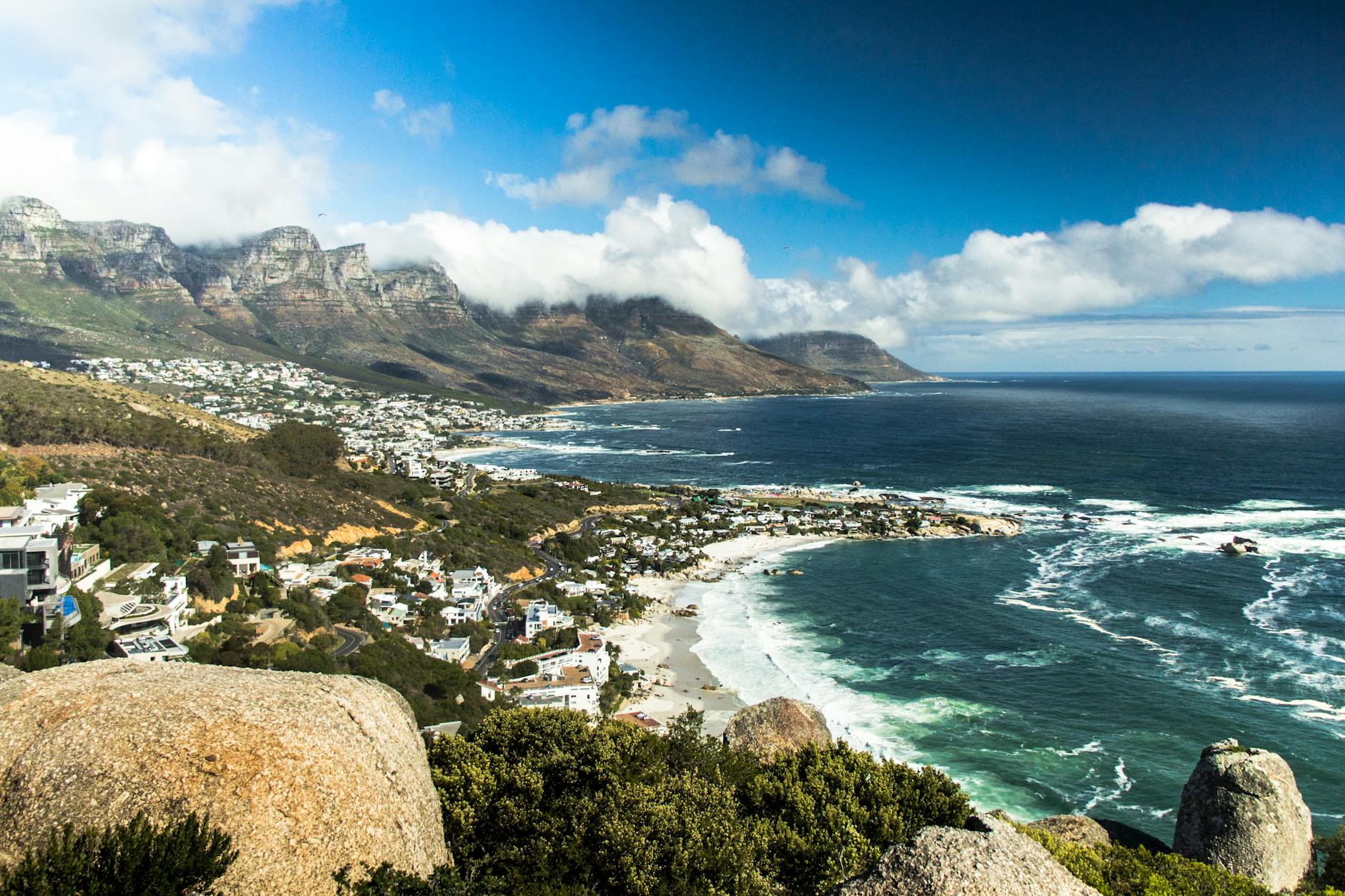
Cape Town is the kind of city that makes you resent every other city you've lived in. You've got Table Mountain as your screensaver IRL, two oceans fighting for your attention, and a food scene built on decades of mixed cultures that nobody fully explains but everyone benefits from. It's beautiful in a way that feels unfair. Internet is solid, cost of living is cheap by European or American standards, and there are enough remote workers here that finding your people takes about three days. The catch is safety. And it's a real one. Cape Town has high crime rates, and some neighborhoods require more common sense than others. Stay in the right areas, don't flash your phone on the street at night, and you'll have one of the best months of your life. Most nomads do. The ones who come back are the ones who figured out the city's rhythms.
Key Stats
Best Neighborhoods for Remote Workers
Sea Point is where most nomads land and never leave. It's a long strip along the Atlantic seaboard with an outdoor gym, a tidal pool, a promenade for morning runs, and enough cafes to work from a different one every day for two weeks. It feels safe, walkable, and alive without being touristy. A solid room in a shared house here runs $500–700/month. It's not the cheapest option but the lifestyle-to-cost ratio is ridiculous.
De Waterkant sits between the V&A Waterfront and the City Bowl and is Cape Town's creative, LGBTQ+-friendly neighborhood. Colorful Victorian houses, good coffee, boutique shops, and a five-minute walk to most things worth doing. It's compact and a bit pricier but if you want to be central and social, this is it.
Woodstock is where Cape Town goes to be interesting. Former industrial area turned food-and-art district, home to the Old Biscuit Mill and some great restaurants. Rents are lower, the vibe is grittier, and the creative energy is real. Best suited if you want to feel embedded in the city rather than floating above it. Some streets are fine, others not so much — ask locals before wandering.
Observatory (locals call it "Obs") is Cape Town's student and alternative neighborhood. Cheapest rents in the city, tons of vegetarian cafes and late-night spots, a young population. If you want $350/month rent and don't mind the occasional strange smell at 2am, Obs delivers. Great spot if you're on a budget and want to live like a local.
Coworking Spaces in Cape Town
Workshop17 has multiple locations across Cape Town including the V&A Waterfront and Wembley Square. It's the most established coworking brand in South Africa — proper desks, fast fiber, meeting rooms, good coffee on-site. Day passes run around R250 ($14 USD). Most serious remote workers eventually end up here.
MESH Club in Sea Point is a more boutique option — smaller, community-focused, with events and networking baked in. The vibe is less corporate than Workshop17. Good if you want to meet people, not just find a desk.
The Bandwidth Barn is older school, based in Woodstock, and one of South Africa's original tech hubs. More startup-y, connected to the local startup scene. Less polished but genuine, and great if you're building something and want to be around people doing the same.
What to Eat in Cape Town
Cape Town's food culture is the direct product of centuries of cultures colliding: Cape Malay, Dutch, British, West African, and indigenous Khoisan influences all bleeding into each other in ways that produce dishes you won't find anywhere else on earth. This is not "African food" as a monolith. It's hyperlocal, proudly mixed, and deeply good.
Start with bobotie — a Cape Malay dish that's been around since the 17th century. Spiced minced meat (usually beef or lamb), baked with an egg custard on top, served with yellow rice and chutney. It sounds strange. It's phenomenal. Warm, fragrant with turmeric and curry leaves, slightly sweet from apricot jam. Every local family has a version and none of them agree whose is best.
Braai is not just a barbecue. It's a religion. South Africans will politely correct you if you call it a BBQ. The ritual involves fire (never gas, never), boerewors (a fat coiled sausage spiced with coriander and cloves), lamb chops, and a serious debate about who's managing the heat. Find a braai, bring something to drink, and stay until the fire dies.
Cape Malay curry from the Bo-Kaap neighborhood is worth going out of your way for. The Bo-Kaap is Cape Town's most photogenic quarter. Painted houses in yellow and green and blue climb up Signal Hill, and it's also where the city's best curry comes from. Slow-cooked, fragrant, not aggressively spicy but deeply aromatic from cardamom, cinnamon, and bay leaves. Order it with roti, not rice.
For something lighter, grab a gatsby, a Cape Town-specific street food creation: a long Portuguese roll stuffed with chips (fries) and your choice of protein (slap chips, grilled chicken, calamari, bologna). It's enormous, it costs almost nothing, and eating it solo is technically possible but socially frowned upon. It's designed to be shared.
On Saturdays, go to the Oranjezicht City Farm Market (OZCF) in Green Point. It's a proper farmer's market that runs all year. Seasonal produce, artisan cheese, local bakers, freshly shucked oysters, wood-fired bread. Get there by 9am before the queues build. Buy the sourdough. Buy the cheese. Sit on the grass. This is Cape Town at its most civilized.
The Old Biscuit Mill in Woodstock hosts the Neighbourgoods Market on Saturday mornings — more of a food hall meets flea market situation. Rotating vendors, experimental small producers, things like Korean-Cape Malay fusion or local charcuterie made from game meat. It gets loud and crowded and slightly chaotic, which is exactly when it's at its best.
For wine, the Stellenbosch and Franschhoek wine regions are 45 minutes from the city center. You can day-trip, drink exceptional Chenin Blanc and Syrah, eat long lunches at estate restaurants, and be back in Sea Point by evening. It feels expensive by South African standards and completely affordable by everywhere else's standards.
Frequently Asked Questions
Is Cape Town safe for digital nomads?
Yes, with caveats. Cape Town has genuine crime problems. It has one of the highest murder rates in the world at a national level, but most of that crime is concentrated outside tourist and nomad areas. If you're based in Sea Point, Green Point, De Waterkant, or the City Bowl, walk around sensibly (don't stare at your phone, don't wear expensive headphones at night, trust your gut), and you'll have zero issues. The nomads who get into trouble are usually the ones who ignore local advice or go looking for adventure in the wrong neighborhoods. Ask locals. They'll tell you exactly where to go and where not to.
Is the internet reliable enough for remote work?
Yes. Fiber coverage in the main residential and commercial areas is solid. Most decent apartments advertise fiber as standard. Load shedding (planned rolling power cuts) used to be a major issue. Eskom, the national power utility, had years of catastrophic blackouts. The situation has improved in 2025, but it's worth checking current schedules when you arrive. A decent UPS backup or a coworking space with generator power is a useful insurance policy.
How long can US and EU citizens stay in South Africa?
90 days visa-free on arrival. No application needed, no fee. You get a stamp in your passport and you're done. If you want to stay longer, you'd need to look at a visitor's visa extension or leave and re-enter — though the rules on consecutive stays are worth double-checking with the South African Department of Home Affairs directly, as they update periodically.
What's the best time of year to go?
Cape Town is Mediterranean — summers (November–March) are hot, dry, and spectacular. The city fills up in December and January which drives prices up and accommodation availability down. If you want good weather without the crowds, March–May is the sweet spot. Winters (June–August) are wet and windy but also cheap, quiet, and cozy in a way that suits working long hours indoors.
Is Cape Town good for meeting other nomads?
Yes, surprisingly so. It has a well-established nomad and expat community, particularly in Sea Point and De Waterkant. Apps like Meetup and Internations have regular events. Workshop17 and MESH Club host community nights. And the beach promenade in Sea Point functions as a daily informal social scene — runners, dog walkers, people with laptops at the outdoor tables. Cape Town doesn't need much effort to feel social if you're willing to show up.