Coliving in Ericeira, Portugal for Digital Nomads
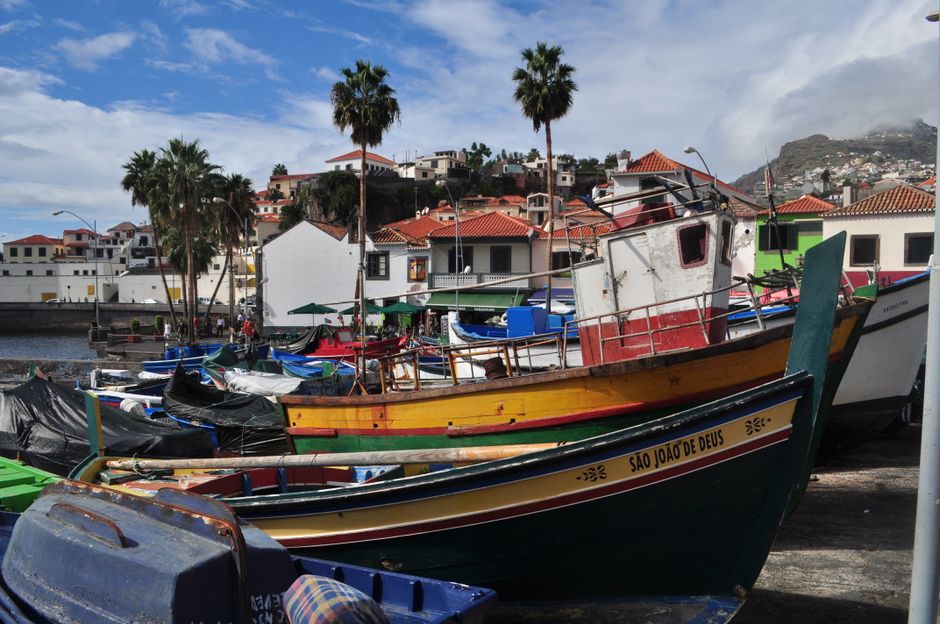
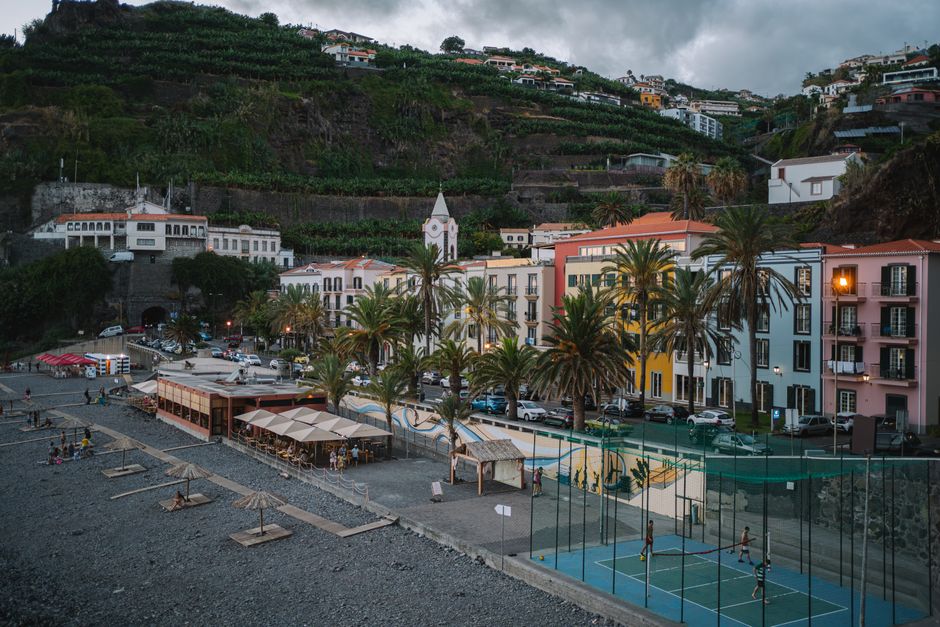
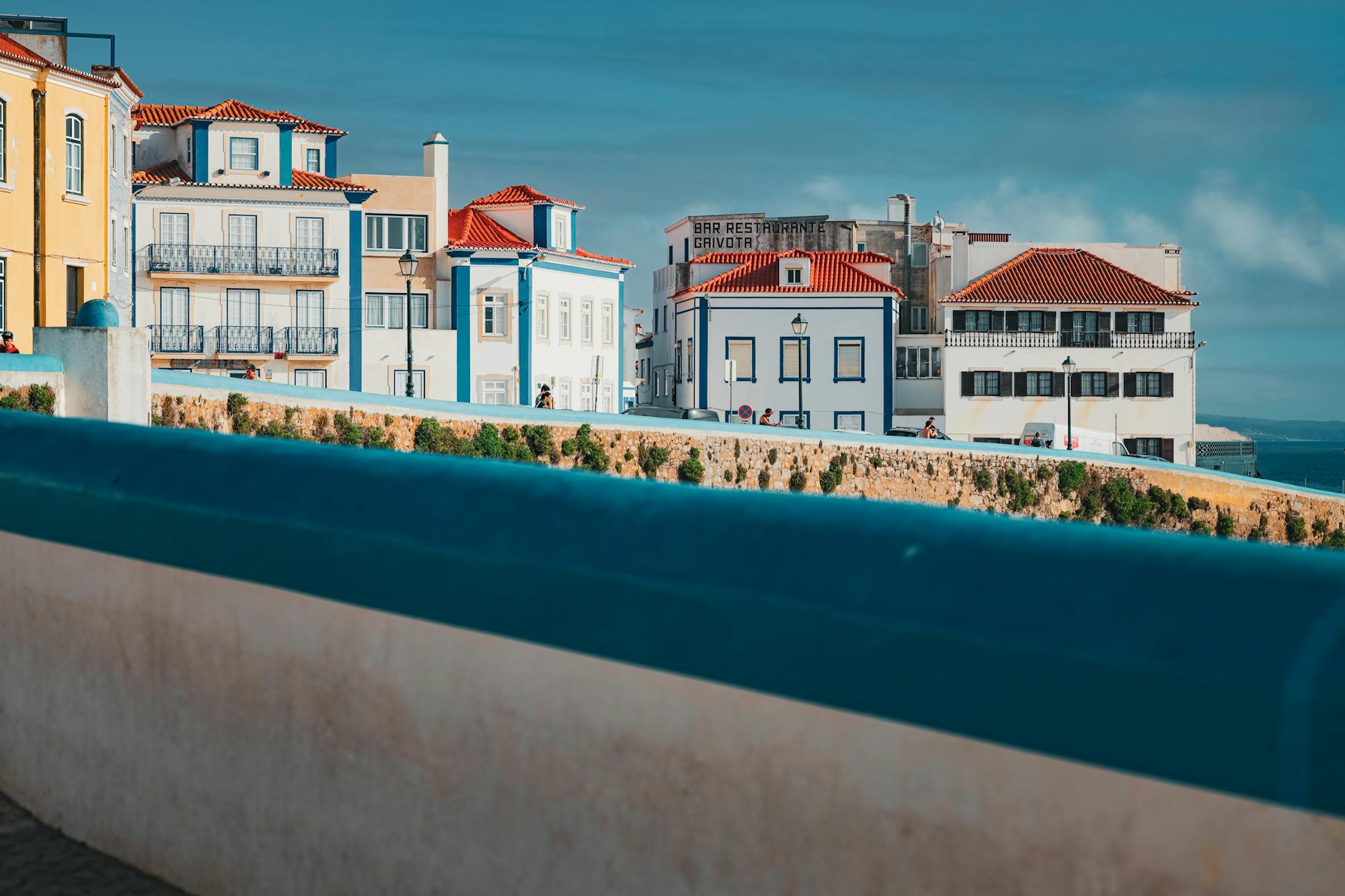
Ericeira is a whitewashed fishing village perched on Portugal's Atlantic coast, about 45 minutes north of Lisbon by car. It holds one of only two World Surfing Reserve titles in Europe, which means the waves are serious, the surfers are everywhere, and the general mood is permanently set to "why would I ever leave." Monthly costs run around €1,200–1,600 for a digital nomad, cheaper than Lisbon but not a budget destination. Internet is solid enough for video calls and async work, though it varies by accommodation. The town is small enough to walk everywhere — working fishing port, azulejo-tiled streets, cliffs that go golden at sunset. Visa rules follow standard Portugal/Schengen terms: EU citizens live freely, non-EU should look into Portugal's D8 Digital Nomad Visa. If you want Lisbon proximity without Lisbon prices, noise, or that feeling of living in a European capital with 800 tabs open, Ericeira is the answer.
Key Stats
Cost data sourced from Numbeo 2025.
Best Neighborhoods for Remote Workers
Vila (Town Centre)
The historic core — cobblestoned, dense with tiled buildings, three-minute walk to the fish market. This is where most cafes, restaurants, and the small social scene concentrate. If you want to roll out of bed and get a coffee before your 9am stand-up without getting in a car, you live here. Accommodation is more expensive and gets loud on summer weekends, but the trade-off is everything is on foot.
Ribeira D'Ilhas
About 2km north of town, this is where the famous surf break is. Quieter, more residential, and the kind of place where your neighbors are professional surfers or remote workers who came for a week in 2019 and never left. Better value on accommodation. You'll want a car or bike. The views from the cliffs here are absurd.
Foz do Lizandro
At the southern edge of town, where a small river meets the beach. Mix of families and nomads. Calmer than the centre, with a few good beach bars that double as informal coworking spots in the mornings. Good compromise if you want space without feeling like you're completely out of the loop.
Coworking Spaces in Ericeira, Portugal
Ericeira Surf & Yoga Camp (work space)
Not a traditional cowork, but several surf camps here have adapted to remote workers and offer desk access, fast WiFi, and the kind of setup where you can close your laptop and be in the ocean in four minutes. Worth calling ahead to check availability.
Cowork Ericeira
The town has a small dedicated coworking space in the centre used by local freelancers and passing nomads. Quiet, reliable connection, no frills. Exactly what you need when you actually have to get work done.
The various beachside cafes
The honest answer is that a lot of remote work in Ericeira happens from cafe tables with ocean views. Pastelaria Ouriço and a few others along the cliffs have reliable WiFi, good coffee, and nobody will rush you out. Not for deep focus work, but perfect for the kind of afternoon where you're technically working.
What to Eat in Ericeira, Portugal 🐚
This is where Ericeira earns it.
The town has a working fishing port, which means the fish you eat for dinner was probably alive this morning. The boats come in, the market opens, and the restaurants get their stock. You can taste the difference.
Percebes are the thing. Goose barnacles, harvested from the Atlantic rocks right outside town. They look like something from a deep-sea documentary and taste like the ocean concentrated into a single bite. You eat them with your hands, you pull the little neck out, and if you've never had them before, you will immediately understand why locals are protective about them. Order a portion at A Marisqueira, budget around €25–30, share them with someone you like.
Caldeirada is the fish stew you want on a cold January evening when the Atlantic is doing something dramatic outside. Layers of fish, potato, onion, tomato, olive oil. Simple, ancient, perfect. Every tasca in town does a version.
Arroz de marisco — seafood rice. Not paella, don't call it paella. Loose, soupy, piled with clams, prawns, and whatever the market had. Serves two at minimum. Bright orange from the bisque base. This is what you eat at lunch on a Tuesday when you're pretending to work but actually just living your life.
The fish market itself is worth the early morning. Locals, fishermen, restaurant buyers. Get there before 9am, watch the auction if you catch it, then go have a coffee and feel like you understand something about the world.
Acorda de marisco — a thick bread-and-seafood stew, comfort food in the best possible way. Rich, garlicky, piled with cilantro. The kind of dish that makes you want to live somewhere permanently.
For pastry: pastel de nata everywhere, obviously, but also keep an eye out for local bakeries doing filhós (fried dough) and esquecidos (almond-based sweets) — regional stuff that doesn't show up in Lisbon.
Frequently Asked Questions
Is Ericeira good for digital nomads year-round?
Yes, with some adjustment. Winter is quiet, cheaper, and beautiful in a dramatic Atlantic way. Summer gets crowded with Portuguese families and surfers, prices go up, and booking accommodation early becomes non-negotiable. The shoulder seasons — October to November and March to May — are the sweet spot.
Do I need a car in Ericeira?
For town-centre living, no. For exploring the surrounding coast and going to the beach breaks north of town, yes. There's a bus to Lisbon (Mafrense line), but it's infrequent. A car or scooter opens the place up considerably.
How fast is the internet in Ericeira?
Town centre gets fibre from NOS and Vodafone — expect 50–100 Mbps for standard residential. Coworking spaces are more reliable. Rural accommodation outside town can be slower; always check before booking.
Is Ericeira expensive compared to other Portuguese destinations?
More expensive than the interior or smaller northern towns, cheaper than Lisbon or Cascais. Budget €1,200–1,600/month excluding accommodation. Rent for a studio in town runs €700–900/month depending on season and proximity to the beach.
What's the visa situation for non-EU digital nomads?
Standard Schengen applies — 90 days in any 180-day period for most nationalities including US citizens. For longer stays, Portugal's D8 Digital Nomad Visa requires proof of income above a monthly threshold (currently around €3,040/month). Worth applying before you arrive rather than scrambling mid-trip.
Related Destinations
Liked the vibe? Here's where Casa Basilico has been or is heading next: