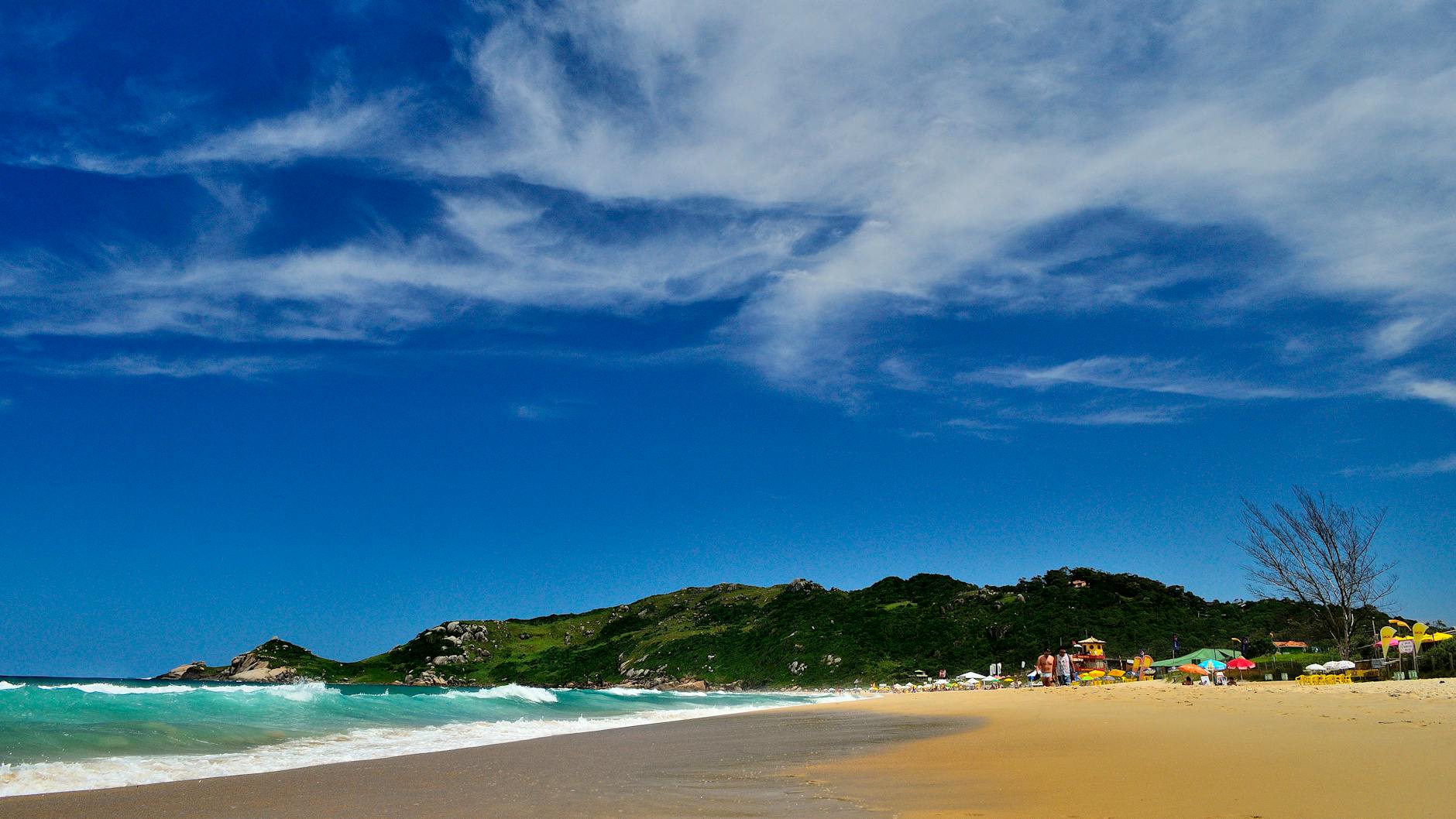
Coliving in Florianopolis, Brazil for Digital Nomads
Florianopolis, Floripa to anyone who's spent more than a week here, is an island city in southern Brazil that somehow has everything: 42 beaches, a functioning coworking scene, fiber internet that doesn't make you want to cry during Zoom calls, and a food culture built entirely around fresh seafood pulled from the water that morning. It's not as chaotic as São Paulo or as tourist-saturated as Rio. It's quieter, more manageable, and beautiful in a way that stops feeling like a screensaver after you've been here a month. The digital nomad community has been quietly growing for years, centred mostly around Lagoa da Conceição, a neighbourhood that somehow combines lakeside calm with direct beach access. Monthly costs run $1,200–$1,700 USD depending on how much you eat out (a lot, if you're doing it right). The Portuguese you pick up here will be heavily influenced by the local gaúcho accent, which means nobody will understand you in São Paulo. Worth it.
Key Stats
Best Neighborhoods for Remote Workers
Lagoa da Conceição is where most nomads end up, and honestly, they're right. It's centred around a large coastal lagoon, surrounded by hills, with direct access to Joaquina beach on the Atlantic side. The main strip has cafés, restaurants, a weekly market, and enough infrastructure to survive without a car. It's the kind of place where you walk to get oysters at noon and somehow end up back at your laptop by 2pm feeling weirdly productive. Not cheap by Floripa standards, but worth it.
Centro is the historical heart of the island — well, technically it's on the mainland side connected by bridge, but semantics. Better transport links, closer to the ferry terminal and bus hub, more affordable rent. Less beach, more city energy. Good if you prefer urban density over sand-between-your-toes vibes.
Trindade sits near the Federal University campus and is reliably the most affordable part of the city without feeling like a compromise. Younger crowd, good café density, solid internet. Less glamorous than Lagoa but very liveable, especially if you're watching your budget.
Jurerê Internacional is the fancy northern beach neighbourhood — think beachfront bars, good infrastructure, and a crowd that skews wealthier. Better for a couple of weeks than a whole month unless you're on a generous client budget.
Coworking Spaces in Florianopolis, Brazil
Aldeia Coworking in Lagoa da Conceição is the most popular with international nomads. Good vibe, reliable fiber, and they host events that actually make you leave your desk voluntarily.
Floripa Coworking in Centro is the more established option — professional setup, multiple hot desk and fixed desk options, and better suited for people who need a serious, heads-down work environment.
Spot Coworking operates across a couple of locations on the island and tends to have flexible day pass options if you're not ready to commit to a monthly membership. Solid fallback for beach days when you still need three hours of real work.
What to Eat in Florianopolis, Brazil
This is where Floripa earns its place on the list and refuses to apologise for it.
Florianopolis is Brazil's oyster capital. Farms line the Baia Sul and Baia Norte, and the island produces roughly 90% of Brazil's farmed oysters. They are served simply — raw with lemon, grilled with garlic butter, or bathed in a parmesan cream sauce that should probably be illegal. At Ostradamus in Ribeirão da Ilha, you eat them looking at the farm they came from. The gap between plate and ocean is measured in metres.
After oysters, you move to camarão na moranga — shrimp cooked inside a whole pumpkin with a cream sauce that uses the pumpkin flesh as the base. It's theatrical and absurd and perfect. Every beach neighbourhood has a version of it. You'll eat it twice in the same week and not feel bad about it.
Moqueca is another essential — a slow-cooked seafood stew, Floripa-style using the southern Brazilian (capixaba) method with less dendê palm oil than the Bahian version. Lighter, more delicate, still very good. Served with white rice, farofa, and pirão (a thick fish-broth gravy that you'll pour over everything).
For fish, tainha season in June–July is the local event of the year. Mullet fish arrives in enormous shoals along the coast and traditional artisanal fishing communities — the Azorean-descendant communities of Armação and Pântano do Sul — haul them in by net. Smoked tainha is sold by the roadside. It's $4 and worth the detour.
The Mercado Público in Centro is the city's oldest market and the place to eat lunch with locals. Oysters, fresh fish, pasteis de camarão (shrimp-filled pastry, eat it hot), and some of the cheapest fresh fruit you'll find on the island. Go before 1pm on a weekday.
For breakfast, find any padaria (bakery) and order a pão na chapa — a soft white roll pressed and buttered on a griddle — with a café com leite. This costs roughly 60 cents and is one of the better mornings you'll have anywhere.
FAQ
Is Florianopolis good for digital nomads year-round?
Summer (December–March) is peak season — hot, crowded, expensive, and the beaches are full of Brazilian holidaymakers. Great energy but expect prices to spike 30–50%. The best time for actually living and working is shoulder season: April–June and September–November. Quieter, cheaper, and the weather is still comfortable.
How do I get around Florianopolis without a car?
Within Lagoa da Conceição you can walk most things. Between neighbourhoods, the bus system works but is slow and infrequent. Motorbike rental is popular and cheap (~$200/month). Uber and 99 work throughout the island. A car gives you the most freedom but parking in Centro is a nightmare.
Is the internet reliable enough for remote work?
Yes. Fiber is widely available in most neighbourhoods (Vivo, Claro, Tim all operate here). Most apartments and coworkings offer 100–300 Mbps. The weak point is beaches — don't expect hotspot reliability if you want to work from the sand itself, but any café within walking distance will have proper Wi-Fi.
Is it safe to live in Florianopolis?
Floripa is one of the safer large cities in Brazil, with lower crime rates than São Paulo or Rio. Normal city awareness applies — don't flash expensive gear in unfamiliar neighbourhoods at night, use Uber over street hails after dark. The Lagoa, Jurerê, and Trindade areas are all comfortable for daily life.
Can I extend my 90-day visa?
Brazilian tourist visas can be extended for another 90 days at the Federal Police office (Polícia Federal) in Florianopolis before your first 90 days expire. You can also do a border run to Argentina or Uruguay and return with a fresh 90 days. Maximum allowed stay is 180 days per calendar year.
Related Destinations
If Florianopolis is on your list, you probably want to look at these too:
Winter is coming. We'll be in Brazil.
Pipa chapter, Jan–Mar 2027: 30°C, surf before standup, and a dinner table that seats everyone. 180+ nomads have lived with us. Your turn.
Take me to Brazil 🇧🇷