Coliving in Hoi An, Vietnam for Digital Nomads
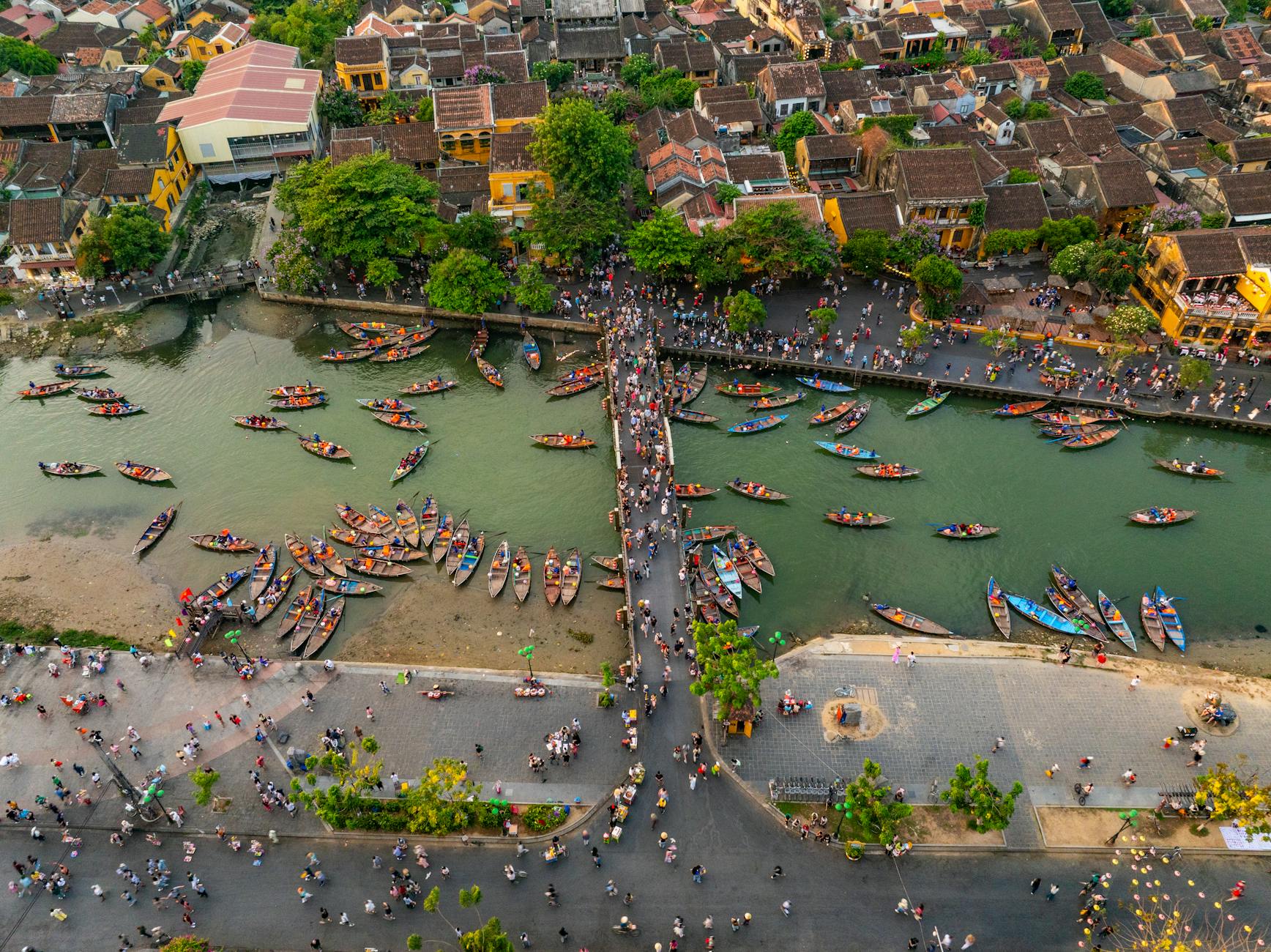
Hoi An is the kind of place you come to for two weeks and stay for three months. It's a UNESCO-listed ancient town on Vietnam's central coast: lanterns strung between 300-year-old merchant houses, rice paddies on the edge of town, a beach 4km away, and street food so good it physically changes your mood. The digital nomad scene here is real but low-key: no startup-bro energy, just remote workers who found something they couldn't leave. Living costs land between $800–$1,200/month depending on how much you eat out (a lot) and whether you're at the beach or in town. Internet is reliable enough in the right neighborhoods. The biggest risk is that you'll book a one-month stay, fall in love with the cao lầu, and start googling Vietnamese long-term visa options at 11pm.
Key Stats
Best Neighborhoods for Remote Workers
An Bang Beach Area
This is where most nomads end up, and for good reason. It's 4km from Old Town (a quick motorbike ride or $2 grab), but the vibe is completely different: quieter, less touristy, proper internet, actual coworking spaces, and a strip of beach bars where you can close your laptop at 5pm and be in the sea by 5:03. If you're staying more than a few weeks, base yourself here.
Ancient Town (Old Town)
Atmospheric as hell — walking those narrow streets at night under the lanterns never gets old. But it's built for tourism, not for working. Internet is patchy, cafes get loud, and the accommodation-to-price ratio isn't great. Worth staying here for a week to soak it in, but it's not ideal as a long-term work base. Use it for evenings and weekends.
Cam Thanh / Coconut Forest Area
Southeast of Old Town, towards the river mouth. Rice paddies, water buffalo, coconut palm forests, complete quiet. If you work best in absolute silence and don't mind a 10-minute motorbike into town, this is your spot. Accommodation is cheaper and the pace drops to near zero. Great for deep work phases.
Cua Dai Road Corridor
The stretch between Old Town and the beach. A practical middle ground — more modern infrastructure than the Ancient Town, easier motorbike access to both, and a mix of guesthouses, apartments, and cafes that function well as work spots.
Coworking Spaces in Hoi An
An Banyan (An Bang Beach)
The go-to for nomads in the beach area. Proper desks, fast Wi-Fi, good coffee, and a pool you can use between calls. It has the social energy of a hostel and the focus of a real workspace, which is a rare combination. Monthly packages available.
Coworking Hoi An
In the more modern part of town, away from the tourist drag. Reliable connection, meeting rooms, standard coworking setup. Good for people who need zero distraction and a professional address for video calls.
The Cargo Club (Rooftop)
Technically a cafe-restaurant, but the top floor works beautifully as a slow morning workspace. River views, good espresso, and the bánh mì they serve at breakfast will ruin all other bánh mì for you. Treat it as a workspace for morning sessions, not a full-day desk.
What to Eat in Hoi An 🍜
Hoi An is one of the best food towns in Southeast Asia. It has dishes that exist nowhere else on the planet and a street food culture so embedded in daily life that locals eat at plastic stools on the pavement three times a day. You will eat very well here.
Cao Lầu is the non-negotiable. Thick rice noodles, char-siu-style pork, crunchy croutons, fresh herbs — and the reason it tastes different here than anywhere else is the water. Authentic cao lầu uses water from a specific ancient Cham well in the Old Town. It's a hyperlocal dish in the most literal sense. Get it at Trung Bắc or any of the local spots around the central market early in the morning.
White Rose Dumplings (Bánh Bao Vạc) are delicate, translucent, shrimp-filled parcels that look exactly like their name. They're only made by one family in town, who supply the whole city. Every restaurant that serves them gets them from the same source. Soft, subtle, completely unlike any other dumpling you've had.
Bánh Mì Phượng is the one Anthony Bourdain called the best bánh mì in the world. Queue at 7am, order the mixed filling, eat it standing on the street. The bread is blistered, the pâté is generous, the pickled veg cuts through everything. Yes, it lives up to it.
Hoi An Chicken Rice (Cơm Gà Hội An) is simpler than it sounds and better than it has any right to be. Poached chicken, turmeric-tinted rice cooked in chicken stock, crispy shallots, fresh herbs, house chili sauce. It's a $1.50 bowl that you'll eat four times a week.
For markets: the Hoi An Central Market (Chợ Hội An) opens at dawn and that's when you should go — vendors serving pho, bánh canh, and fresh rice paper rolls before 8am, surrounded by local fishermen and market traders. The night market on An Hội island is more for tourists but still worth one visit for the grilled skewers and fresh coconut.
The food is also cheap. A proper sit-down meal at a good local restaurant will cost $3–5. If you're spending more than $15/day on food, you're actively trying.
Frequently Asked Questions
Is Hoi An good for digital nomads year-round?
Mostly yes, but avoid October–November. The central Vietnam coast gets hit hard by typhoon season and floods — the Old Town genuinely floods, streets become rivers, and working from anywhere gets difficult. November to April is the sweet spot: dry, warm, busy but manageable. May–September is hot and humid but perfectly workable.
How's the internet actually?
An Bang Beach area and the modern parts of town: genuinely good. 30–50 Mbps fiber is standard in apartments and the better coworking spaces, which is more than enough for video calls and cloud work. Old Town is the exception. Thick walls, old buildings, and competing networks mean speeds can drop to frustrating levels. If stable internet is non-negotiable, don't rent in the Ancient Town.
Can I rent a motorbike and actually survive?
Yes, and you should. Vietnam traffic looks chaotic but has its own internal logic — go slow, be predictable, and merge gently. The roads around Hoi An are flat, well-maintained, and much calmer than Hanoi or Ho Chi Minh City. Most nomads rent a semi-automatic for $60–80/month. It's the best way to get between the beach, town, and surrounding villages.
Is it easy to meet other nomads?
Easier than you'd expect for a town this size. An Banyan coworking is the natural social hub, and a few regular expat/nomad events happen around An Bang Beach. The community isn't massive but it's warm and everyone eventually ends up at the same beach bar. Arriving via a coliving is the fastest way in.
How safe is Hoi An for solo travelers?
Very. It's one of the safest towns in Southeast Asia. The biggest genuine risks are motorbike traffic (use your mirrors) and ordering too many dishes at once and not finishing them, which feels like a crime against the local food culture.
Related destinations: