Coliving in Malta for Digital Nomads
Malta is a tiny Mediterranean island that punches well above its weight for digital nomads. Think year-round sunshine, English as an official language, ancient limestone streets, and a food culture that quietly blows your mind. It's fully in the EU (Schengen included), infrastructure is solid, and the vibe sits somewhere between a proper European capital and a sun-soaked village where everyone knows everyone. At roughly €1,400–2,000/month all-in, it's one of the more affordable EU bases for remote workers who want Mediterranean life without the visa headaches. The island is small enough that you can be at a beach, a coworking space, or a UNESCO World Heritage fortress all within 30 minutes. Internet is reliable in the main hubs, English is everywhere, and the cost of a pastizzi from the corner kiosk is about 30 cents. That last detail matters more than you think.
Best Neighborhoods for Remote Workers
Sliema is where most expats and nomads land first. Seafront promenade, plenty of cafes with decent WiFi, supermarkets and pharmacies all walkable. It's a bit more modern and less atmospheric than Valletta, but practically speaking it's the easiest place to drop into nomad life without figuring anything out first.
St. Julian's sits just north of Sliema and has more energy — restaurants, bars, Spinola Bay for evening walks, and a solid cluster of short-term rentals. Paceville (the nightlife zone) is here too, which is either a feature or a bug depending on your sleep schedule.
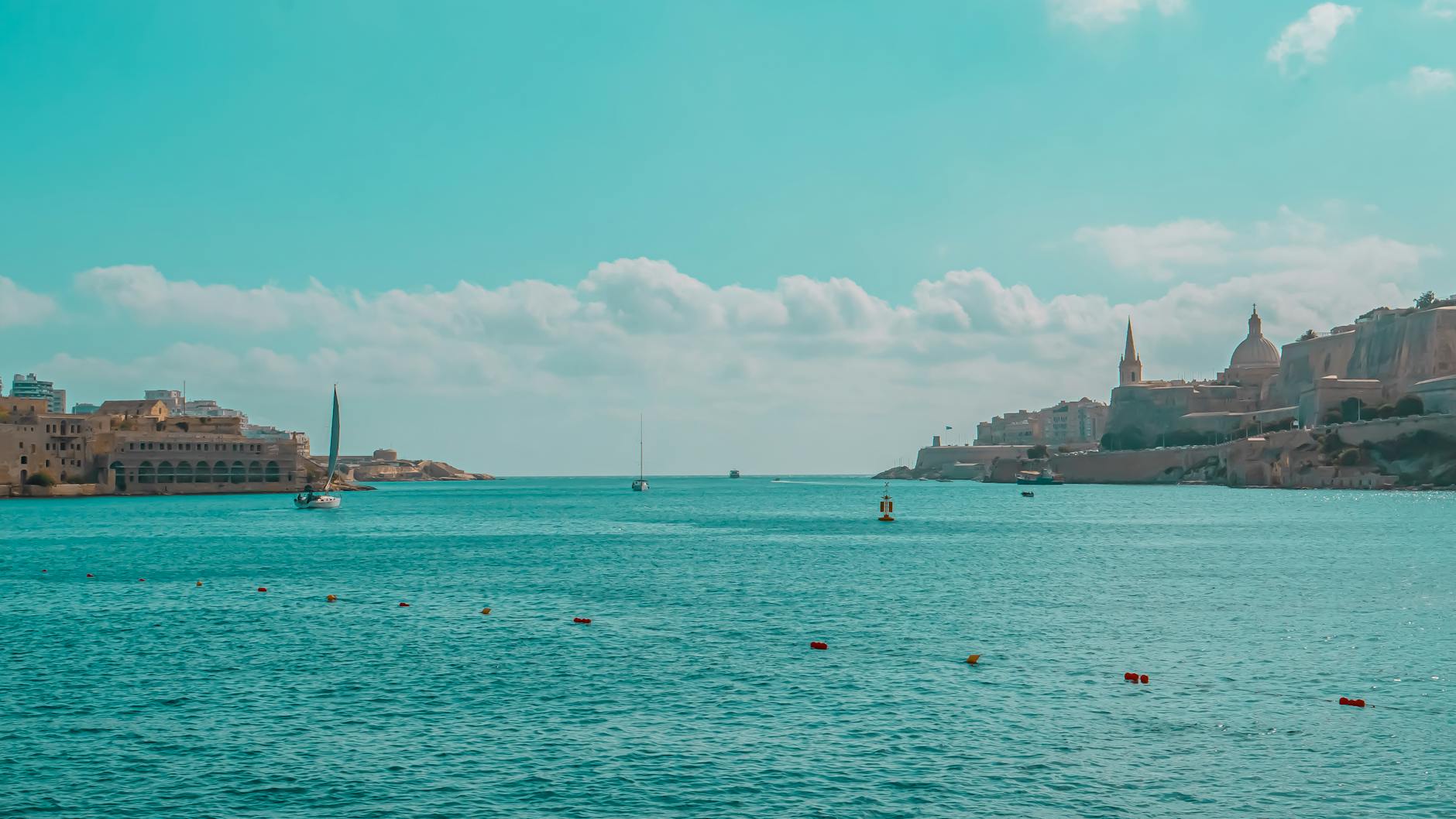
Valletta is the capital and it's stunning. Baroque architecture, sea views from every corner, a growing cafe scene. It's quieter and more soulful than Sliema, but not every old limestone building has been rewired, so have a backup hotspot. Worth it for the atmosphere alone.
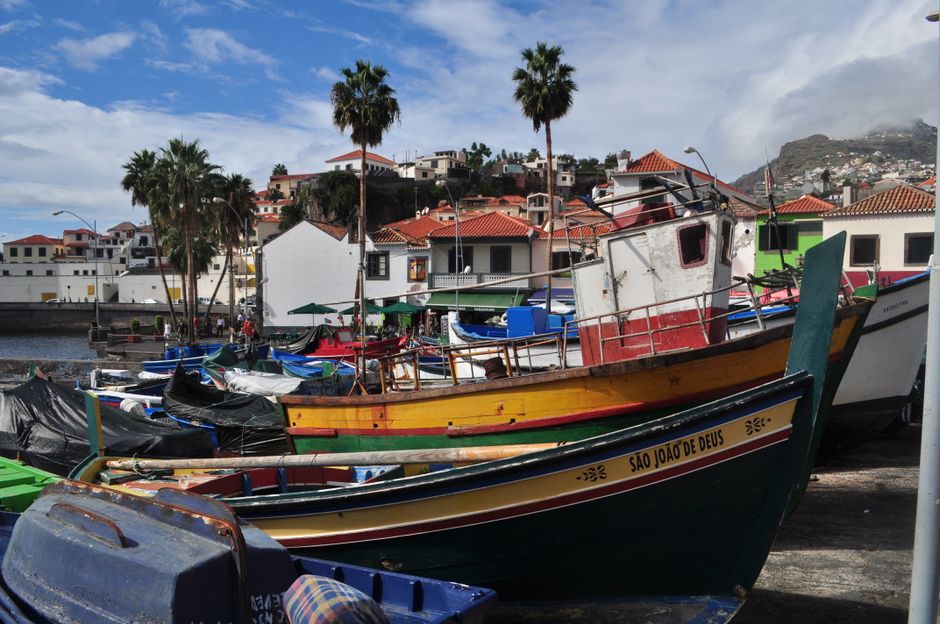
Marsaxlokk is a fishing village in the south with basically zero nomad infrastructure and maximum Malta. If you want to work from a room above a harbor watching painted luzzu boats go by, this is your spot. Pair it with a rental car and a Sliema coworking membership.
Coworking Spaces in Malta
HUB Malta is the most community-oriented coworking on the island, with locations in Valletta and Birkirkara. Regular events, a good mix of locals and internationals, decent coffee. Go here if you want more than just a desk.
Regus Malta has multiple locations including Sliema and near the airport. Very professional, flexible day passes and monthly plans. Does exactly what it says it does.
The Shared Space in St. Julian's is a smaller, more relaxed option popular with freelancers and remote workers. Faster to feel at home here than at a bigger chain.
What to Eat in Malta
Maltese food is one of the most underrated culinary traditions in the Mediterranean, and almost nobody talks about it.
Start with pastizzi. Flaky, diamond-shaped pastry filled with either ricotta or mushy peas, fresh out of the oven, 30 cents each. You will eat these every single day and feel zero regret. Find your nearest pastizzerija — they're everywhere, often open at 6am, and you will become a regular within the first week.
Hobz biz-zejt is Maltese bread rubbed with tomato paste and loaded with olives, capers, canned tuna, and olive oil. It looks like a simple thing and tastes like the best lunch you've had in weeks.
Stuffat tal-fenek is rabbit stew and it's the national dish for good reason. Slow-cooked with wine, garlic, herbs, and tomatoes, served in a deep bowl with crusty bread. Order it anywhere that looks like a nonna runs the kitchen. You'll know those places when you see them.
Gbejniet are small round cheeselets made from sheep or goat milk, either fresh or peppered and dried. Find them at markets or on charcuterie boards at wine bars. They're humble and extraordinary, the way only simple, good cheese can be.
Imqaret are deep-fried date pastries, crispy outside, soft inside, sometimes served warm with a scoop of ice cream. Get them at street stalls near Valletta and eat them while walking. No plates required.
For markets, the Marsaxlokk Sunday Fish Market is unmissable. Arrive before 10am. Fishermen unloading directly, fresh lampuki (mahi-mahi) and swordfish on ice, the harbor dotted with traditional boats painted in red, yellow, and blue. There's nothing quite like it on the island, and going once won't be enough.
FAQ
Do I need a visa to live in Malta as a digital nomad?
EU citizens: no, just show up. US and non-EU citizens get 90 days visa-free under Schengen rules. For longer stays, Malta has a Nomad Residence Permit that lets you live legally on the island while working remotely for a non-Maltese employer. Requirements include proof of remote employment and a minimum income of around €2,700/month.
Is Malta worth it compared to other European islands?
It's English-speaking, and that alone changes everything. No language barrier, no translation apps, landlords and coworking staff communicate directly. Add year-round sun, EU legal infrastructure, and food at the level described above, and the answer is yes.
How do you get around Malta without a car?
Possible but not ideal. Buses connect everything but they're slow, especially in summer. Most nomads in Sliema or St. Julian's manage fine on foot. For the south of the island and quieter areas, a scooter or car rental opens things up a lot. Weekly rentals are reasonable.
Is it easy to meet people in Malta?
Surprisingly yes. It's a small island with a recurring expat and nomad community — people come back, stay longer than planned, build routines. The coworking communities and regular nomad meetups make connections easier here than in larger cities where everyone's constantly rotating in and out.
When is the best time to go?
April through June and September through November are the sweet spots. Hot enough for beach weather, not brutal. July and August are peak tourist season — prices go up and everywhere gets crowded. Winter (December through February) sits around 15–18°C, very quiet, and very livable if you don't mind shorter days.
Related Destinations
Similar energy, different flavor:
Reading about Italy? We're moving there in September.
Puglia chapter, Sep–Oct 2026. Trulli houses, burrata for days, and new friends around one big table. Spots are going.
Show me Puglia 🇮🇹