Coliving in Tenerife, Spain for Digital Nomads
Tenerife is the island that doesn't apologize for being good at almost everything. Year-round temperatures hovering around 22–25°C, a volcanic landscape that somehow includes both beach and snow (Mount Teide hits 3,715 metres), and a food culture built around ingredients grown in the island's own fertile valleys. Digital nomads have been quietly setting up here for years, not because it's the flashiest option in Europe, but because it actually works. Decent internet, affordable rent by Western European standards, a local life that isn't entirely swallowed by tourism if you pick the right neighbourhood, and a timezone that lets you keep US East Coast hours without destroying your sleep. The Canary Islands sit just off the coast of Morocco. This technically IS Spain, full Schengen and EU infrastructure included, but with a climate that mainland Spain can only dream about in January.
Cost estimates based on Numbeo (2025) and nomad community averages.
Best Neighborhoods for Remote Workers
La Laguna: This is where you want to be if you're staying more than a week and actually care about feeling like a local. UNESCO-listed historic centre, a proper university town vibe, excellent coffee shops, and affordable rents. The weather is slightly cooler and cloudier than the south (it sits at altitude), but the trade-off is a real neighbourhood with bakeries and bars that aren't entirely aimed at tourists. Good energy, good people, good pastries.
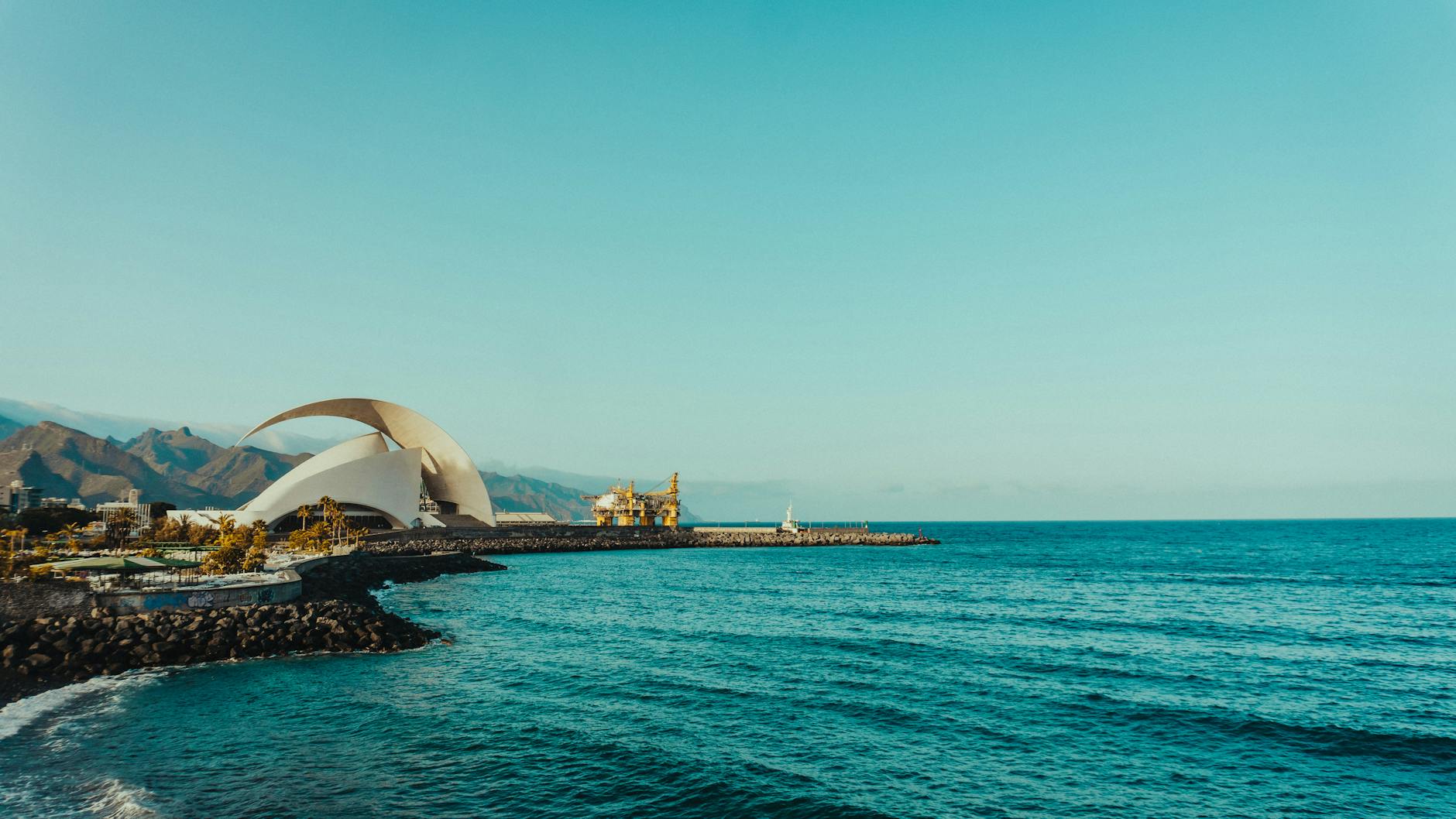
Santa Cruz de Tenerife: The capital. Concrete, chaotic, and completely un-Instagrammable in the best way. You get the full Spanish city experience: traffic, noise, a massive covered market, excellent restaurants, and coworking spaces with actual reliable fibre. Rent is reasonable. Commute to the beach is doable on weekends. This is where people who work, not just exist, tend to end up.
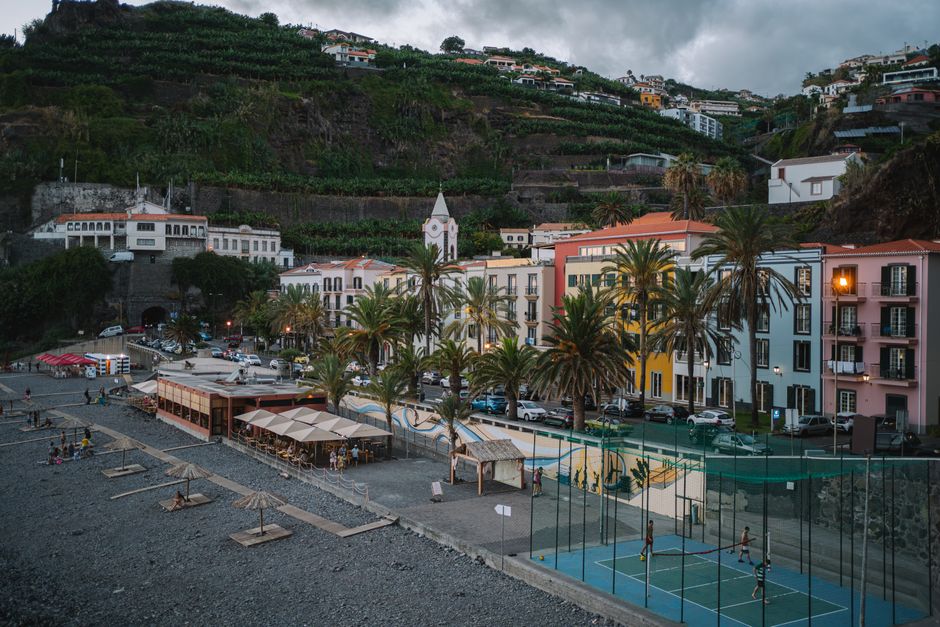
Puerto de la Cruz: The north is lush, green, and draped in banana plantations. Puerto de la Cruz has a lovely old town with black sand beaches (volcanic lava, obviously), a slower pace, and a more mixed international community. Less coworking infrastructure than the south or capital, but ideal for the remote worker who needs a long, quiet month to finish something important and eat well while doing it.
Los Cristianos / Las Américas: The sunny south. Guaranteed year-round warmth, the best beaches, and a lot of English-speaking infrastructure. It's touristy. Properly touristy. But if you're here for three months and you need reliable sunshine for your mental health, it delivers. Just don't expect to feel like you're in Spain.
Coworking Spaces in Tenerife
Coworking Santa Cruz: Central location in the capital, reliable fibre, hot desks and dedicated options, and meeting rooms for when you need to look professional on a call. Active community with regular events.
La Granja Cowork (La Laguna): A converted space near the historic centre, popular with the local startup and freelance crowd. The kind of place where you get introduced to people over coffee, not just email them from adjacent desks. Good atmosphere.
Worklab Tenerife (Los Cristianos): Southern option for nomads based in the tourist belt. The ergonomics are decent, the internet works, and it's close enough to the beach that you can justify calling that 6pm swim "a decompression break."
What to Eat in Tenerife 🌋
This is the part we actually care about.
Canarian food is underrated by all of Europe and that's a genuine crime. The starting point, the thing you'll eat within 24 hours of arriving, is papas arrugadas con mojo. Small, wrinkled potatoes boiled in heavily salted water until the skin goes dry and slightly crystalline. Served with two sauces: mojo rojo (red pepper, garlic, cumin, vinegar: deeply savoury, a little smoky) and mojo verde (coriander or parsley, garlic, olive oil: fresh, punchy, impossible to stop eating). You'll have these as a side, as a snack, as a full meal when you can't be bothered to decide. They're perfect every single time.
Ropa vieja canaria is not what you think if you know the Cuban version. Here it's a thick, slow-cooked stew of chickpeas, vegetables, and meat. Comfort food that tastes like someone's grandmother made it specifically for you on a cold Tuesday. Get it at a proper local restaurant, not from a tourist menu.
Tenerife's position near Africa means fresh tuna and swordfish are year-round constants on every decent menu. Atún encebollado — tuna slow-cooked with onions, white wine, and vinegar — is the kind of dish that makes you reorganise your travel priorities around it.
For breakfast, the ritual is barraquito: a layered coffee drink that arrives looking like a tiny art installation. Condensed milk at the bottom, a splash of Tía María or Cointreau, espresso, foamed milk, cinnamon on top, and a twist of lemon peel balanced on the rim. It takes five minutes to drink properly and you will order at least two.
Mercado Nuestra Señora de África in Santa Cruz is the main event. Open most mornings, it's a covered market with fresh produce, local cheeses, mojo sauces in jars you'll want to smuggle home in your carry-on, and a fish section that smells exactly as you'd expect. Go on a Saturday for the full experience.
Bienmesabe is the dessert you didn't know you needed: a thick almond cream sauce, sweet and nutty, served over ice cream or baked into pastries. There's no elegant way to eat it. That's fine.
Frequently Asked Questions
Is Tenerife good for digital nomads year-round?
Yes. The south gets 300+ days of sunshine annually. The north is lush and mild but occasionally cloudy. Winter (December–February) is a genuine 18–22°C when everywhere else in Europe is grey and miserable. That's the main draw for a lot of nomads who set up here in the colder months.
How is the internet in Tenerife?
Fibre is available in most urban areas and well-established coworking spaces. In rural areas or older apartments, you might end up on slower ADSL — always verify before signing a rental. Speeds in Santa Cruz and La Laguna are consistently solid for video calls and large uploads.
Can I stay in Tenerife as a US freelancer?
You can stay 90 days visa-free under Schengen rules. Spain's digital nomad visa (introduced under the Ley de Startups, 2023) covers longer stays if you're self-employed or employed by a company outside Spain. Processing takes a while — start the application before you arrive, not after.
Is Tenerife expensive compared to mainland Spain?
It's noticeably cheaper than Madrid or Barcelona. Accommodation costs less, food is reasonable (you can eat well at a local restaurant for €10–15 per person), and the island's markets mean fresh produce is excellent and inexpensive. It's not budget travel, but it's fair value.
What's the best time of year to go?
Honestly, any time works. The south is reliably warm all year. If you want the most temperate conditions across the whole island, March–May and September–November hit the sweet spot: not peak tourist season, great weather, and a more liveable local vibe.
Related Destinations
If Tenerife is on your list, these are worth comparing: