Coliving in Barcelona, Spain for Digital Nomads
What is it like to live in Barcelona as a digital nomad?
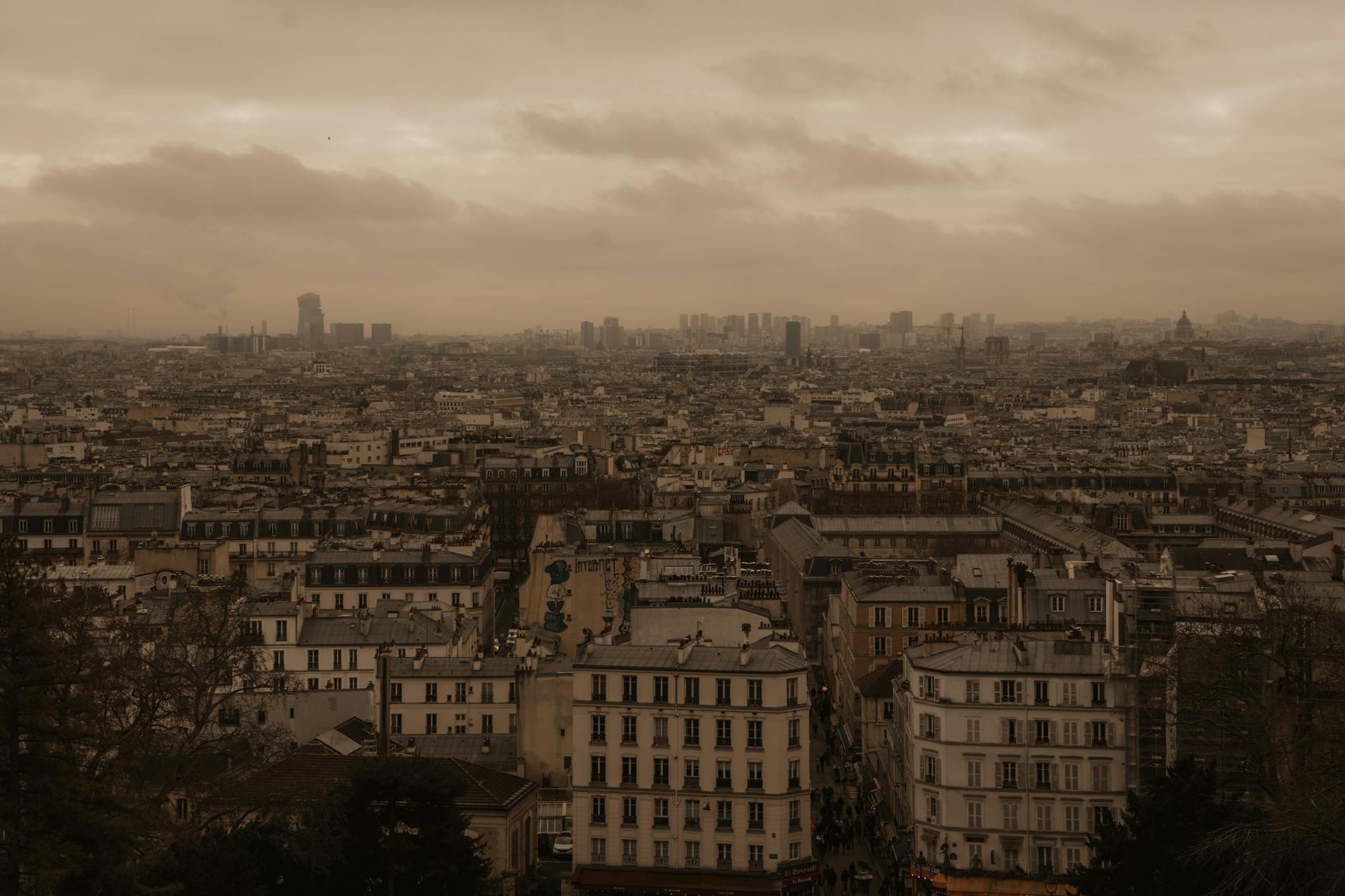
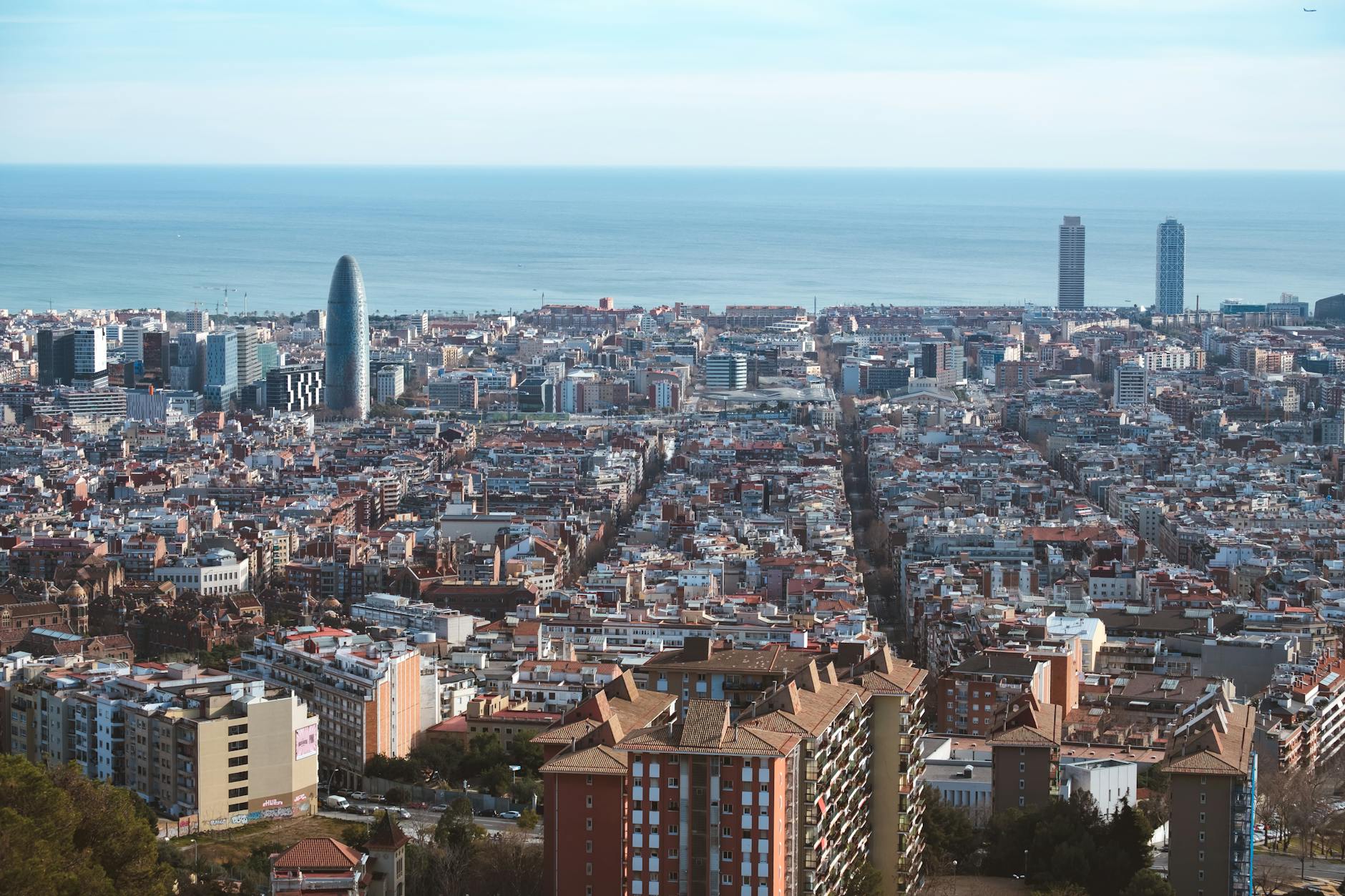
Barcelona is the kind of city that spoils you for everywhere else. It has the beach, the architecture, the nightlife, the food markets, the fiber internet, and the year-round warm-ish weather, and somehow it hasn't completely lost its soul yet. For digital nomads, it's one of Europe's most livable cities: big enough that you'll always find your people, dense enough that you can walk from your apartment to a great coworking space to an excellent lunch without needing a car or a map. The cost of living sits somewhere between "manageable" and "ouch, rent," depending entirely on your neighborhood and how disciplined you are around ibérico ham. Spain's Digital Nomad Visa has made staying longer much easier for non-EU citizens, and the coworking scene is world-class. Just stay away from Las Ramblas, or better, go once, then stay away. Barcelona rewards people who slow down enough to find the neighborhoods where actual Barcelonans still live. Do that, and the city opens up in a way no two-week tourist will ever see.
Key Stats at a Glance
| Stat | Details |
|---|---|
| Monthly cost of living | €1,800–2,400/month (solo nomad, incl. accommodation). Source: Numbeo, 2026 |
| Average internet speed | 180–220 Mbps (fiber widely available). Source: Ookla Speedtest Index |
| Timezone | CET (UTC+1) / CEST (UTC+2) in summer |
| Visa — EU citizens | Free movement, no visa needed |
| Visa — US citizens | Schengen 90/180 days, or Spain Digital Nomad Visa (up to 5 years, €2,762/mo income) |
| Safety | Generally safe. Watch for pickpockets in tourist areas (Las Ramblas, Gothic Quarter, metro). |
Cost of Living in Barcelona
Barcelona used to be cheap. It is no longer cheap. It is still excellent value compared to London, Paris, or Amsterdam, and the lifestyle you get for €2,000 is genuinely hard to match anywhere else in Europe.
| Category | Solo Nomad (mid-range) |
|---|---|
| Private room in shared flat | €700–1,000 |
| Studio in central neighborhood | €1,200–1,800 |
| Coworking membership (hot desk) | €150–280 |
| Groceries (cooking 4-5x/week) | €220–320 |
| Restaurants & cafés | €300–500 |
| Public transport (T-Casual or T-Usual) | €20–40 |
| Mobile data (local SIM, 20GB+) | €15–25 |
| Going out, weekends, day trips | €200–400 |
| Total | €1,800–2,400/mo |
The things that surprise people. The menú del día (lunch menu) is still €11–14 in most neighborhoods, with bread, three courses, and a drink. Wine at the supermarket starts at €4 and the €8 bottle is already very good. The metro is cheap and works. The expensive parts are rent (especially in Eixample, El Born, Gràcia), going out (cocktails are €10–14), and anything in the Gothic Quarter that's clearly there for tourists. If you can cook a few nights a week, take the metro instead of Ubers, and stay away from the most touristy lunch spots, you'll come in under €2,000 without trying.
Where to Work in Barcelona
Coworking spaces
Betahaus Barcelona in Vila de Gràcia is one of the best-known coworking communities in Europe. Strong culture, regular events, great coffee, and a crowd that's a healthy mix of founders, creatives, and remote employees. Day passes available. Worth a visit even just for the courtyard.
OneCoWork has multiple locations (Eixample, Marina, Plaça Catalunya). Solid amenities, flexible memberships, and a professional setup that works whether you're on video calls all day or need deep focus time. Good for consultants and remote employees who want it to feel like an actual office.
Aticco is startup-focused with a younger, more entrepreneurial crowd. Multiple locations including a rooftop in Bogatell with sea views. If you're building something and want to be around other people doing the same, Aticco is your spot. Regular networking events that are actually worth attending.
Cloudworks is more polished, slightly corporate, with a focus on premium amenities (espresso machines, soundproof phone booths, ergonomic chairs). Good for week-long sprints when you want zero friction and reliable infrastructure.
Talent Garden in Poblenou puts you in the heart of the 22@ tech district. Great for nomads in tech, AI, or product roles who want their peer group at lunch.
Laptop-friendly cafés
Satan's Coffee Corner in El Born is the unofficial nomad office of Barcelona. Specialty coffee, great food, fast WiFi, and the crowd is mostly people typing. Beautiful interior, gets busy at lunch.
Nømad Coffee in El Born is small, beautiful, and serves some of the best espresso in the city. Not the place for a four-hour deep work session (limited tables), but excellent for a focused two-hour stretch.
Federal Café in Sant Antoni and Gòtic is the brunch spot that became a remote work spot. Lots of outlets, good lighting, decent WiFi, and a flat white that holds up.
SlowMov in Gràcia is for serious coffee people. Small roastery and café, quiet, ideal for focus work mornings.
Internet situation
Spain has excellent fiber infrastructure and Barcelona is the best-connected city in the country. Most apartments rented to nomads come with 300–600 Mbps fiber. Coworking spaces deliver 200–500 Mbps with redundancy. Cafés are decent but variable. For backup, get a local SIM (Lowi, Yoigo, or Vodafone Spain all work; Lowi is the cheap nomad favorite). A 30-day plan with 20+ GB runs €12–18. If you're on calls all day, work from a coworking space and don't gamble on café WiFi.
Best Areas to Stay in Barcelona
Poblenou
Barcelona's answer to Brooklyn: former industrial warehouses converted into creative studios, startups, coworking spaces, and restaurants. It's a 10-minute walk to the beach, quieter than the center, and dense with nomads and tech workers who figured out you can have it all without paying Eixample rents. The 22@ district is the tech campus of Barcelona. If you like a neighborhood that feels like it's building something, this is it. Best for: nomads in tech who want the beach, the coworking scene, and to skip the Gothic Quarter chaos.
El Born / Sant Pere
Medieval streets, independent boutiques, natural wine bars, and some of the city's best restaurants within 500 meters of each other. El Born is where you go when you want to live inside a lifestyle magazine but still feel like you belong. Slightly pricier than Poblenou but you're paying for the views and the fact that you can walk to Barceloneta in 15 minutes. Best for: people who work from cafés and want their neighborhood to look like a film set.
Gràcia
The village inside the city. Plazas full of people playing chess, local restaurants run by the same family for 40 years, and a neighbor-y feel that the tourist center totally lacks. Draws a lot of long-term expats and nomads who want to actually live in Barcelona rather than visit it. Great for slower mornings: coffee on the balcony, market in the morning, work by 10am. Best for: long-stay nomads who want to feel like a local by week three.
Eixample
The grid. Central, walkable, full of coworking spaces and excellent lunch spots on every corner. Eixample is practical more than romantic, but if your priority is infrastructure (transport, convenience, options), it delivers. Good entry point for your first month before you figure out which neighborhood actually suits you. Best for: first-month nomads who want maximum optionality.
Poble Sec
Underrated and getting better every year. Sits between Montjuïc hill and the city, with a buzzy tapas street (Carrer de Blai), good restaurants, and a more affordable rental market than El Born or Gràcia. Quieter at night, walkable to everything important. Best for: people who want central without paying El Born prices.
Visa & Logistics
EU passport holders: move in, no paperwork.
Americans, Canadians, Brits, Australians: you get 90 days within any 180-day Schengen window. For longer, Spain's Digital Nomad Visa is now one of the better-designed in Europe. Income requirement is around €2,762/month (200% of Spain's minimum wage, recalculated annually), proof of remote employment or freelance contracts, basic health insurance, and a clean criminal record. Initial residence is 1 year, renewable up to 5. Bonus: it comes with a favorable tax regime (24% flat tax on Spanish-source income up to €600k for the first six years, similar to Beckham's Law).
A few logistics that save time:
- NIE (foreigner ID number): required for everything: phone plans, bank accounts, rentals. Get one in person at a police station, or via the Spanish consulate before you arrive. Allow 2–4 weeks.
- Bank account: N26 and Revolut work fine for most things. For a Spanish account, BBVA and CaixaBank are the standard.
- Public transport: the T-Casual (10 trips, €12.55) or T-Usual (unlimited monthly, €21.35) are the only options worth knowing. Buy at any metro station.
- From the airport: the Aerobús to Plaça Catalunya is €7.25 and runs every 5 minutes. Metro L9 is €5.50 and slower. Taxis to the center run €35–40.
Things to Do in Barcelona
Barcelona is a city where the "things to do" list is genuinely worth the time. The short version of what's actually worth your weekends:
- Park Güell at sunrise. Free entrance to most of it before 9am, no crowds, golden light, the city spread below you. The single best Barcelona experience.
- Sagrada Família. Pre-book online to skip the queue. The light through the stained glass on a sunny day is something photos genuinely can't capture.
- Day trip to Sitges or Tarragona. 30–60 minutes by train. Beach towns with Roman ruins, good seafood, and a quieter version of the Mediterranean.
- Montjuïc on a Sunday afternoon. Walk up via the castle, watch the sunset over the city and the port, take the funicular back down.
- Hike or bike to Bunkers del Carmel. The best free viewpoint in the city. Bring beers, arrive an hour before sunset.
- Calçotada in spring. A traditional Catalan grill where you eat charred spring onions dipped in romesco. Drive (or take a train) to the Penedès for the proper version.
- Picasso Museum and the Born district on a Wednesday. Quieter than weekends, perfect tapas stops nearby.
- Sardanes in front of the cathedral on Sundays. Locals form circles and dance the traditional Catalan dance. It's gentle, weird, and lovely.
What to Eat in Barcelona 🍽️
This is the part that matters.
Start with the thing they'll never tell you in travel guides: Barcelona's food culture is Catalan, not Spanish. That distinction matters more than you think. The base of almost everything is pa amb tomàquet, bread rubbed with ripe tomato and drizzled with olive oil. It's so simple it sounds boring until you eat it and realize you've been doing bread wrong your entire life. Order it with everything. It arrives before your meal. Eat it. Order more.
The menú del día is one of the greatest institutions of Mediterranean civilization. Every weekday lunch, most restaurants serve a three-course meal with bread and a drink for €11–14. Starter, main, dessert. Real food, cooked fresh. This is how Barcelonans actually eat at lunch, and it should be how you eat too. It's also how you budget-control a city that can absolutely drain you if you're not paying attention.
Go to Mercat de Santa Caterina instead of La Boqueria. Same energy, zero tourist markup, better produce, and you'll feel smug about it for the rest of your trip. The architects made the roof look like a mosaic of fruit. It's beautiful. Buy jamón, manchego, fresh anchovies, and a bottle of cava, and call it a picnic.
Fideuà is paella's criminally underrated cousin, made with thin noodles instead of rice and typically cooked with seafood and squid ink. Get it in Barceloneta, near the beach. The slightly burnt crust at the bottom (the socarrat) is the point. Do not leave the city without it.
Vermut culture is real and it's yours now. Sunday vermouth (vermut in Catalan) is a pre-lunch ritual that involves a glass of vermouth, olives, croquetas, and absolutely no reason to be anywhere else. Most old-school bars in Gràcia and El Born run it between 12pm and 2pm. Bar Bodega Quimet and Casa Mariol are excellent starting points. It's the Sunday morning equivalent of a long Italian espresso, except it's alcoholic and involves jamón.
Croquetas de jamón deserve their own paragraph. Good ones are crispy outside, molten inside, heavy with ibérico flavor. Bad ones exist and are not worth your time. Go to any place that makes them in-house. You can tell by whether they're uniform oval shapes from a machine or slightly uneven from being hand-rolled. The uneven ones win every time.
For pintxos (technically Basque but they show up all over Barcelona now), head to any bar in El Born or Gràcia and point at whatever looks best on the counter. The good bars rotate them frequently. Arrive at 7pm when they're fresh.
Bombas at Cova Fumada in Barceloneta are mandatory. A potato croquette stuffed with meat, served with brava sauce and aioli. Probably the best €3 you'll spend in Spain.
And finally: crema catalana. Not crème brûlée. Similar, older, better. Made with cinnamon and citrus zest, the burnt sugar crust should shatter when you tap it. If it doesn't shatter, send it back.
Weather & Best Time to Visit
Barcelona has one of the most pleasant climates in Europe. Year-round livable, with seasonal personalities.
Spring (March–May): Probably the best version. 16–22°C, jasmine and orange blossom everywhere, terrace season starts in April. Light jacket for evenings.
Summer (June–August): Hot and busy. 26–32°C in July and August, humid, and the city is full. June is excellent (Sant Joan festival on the 23rd, bonfires on the beach until sunrise). Mid-August empties out as locals leave for the coast.
Autumn (September–October): The sweet spot. Warm enough for beach days, cool enough for working, locals are back, prices drop slightly. If you can only come once, come now.
Winter (November–February): Mild. 8–15°C, occasional rain, mostly sunny. The city is quieter, restaurants take reservations again, and the days are short but the light is beautiful. Some nomads love this version of Barcelona most.
Safety in Barcelona
Barcelona is broadly safe but has a real pickpocketing problem in tourist areas. Las Ramblas, Barceloneta beach, the Gothic Quarter, and the metro lines that connect them are the hotspots. Phones get snatched, bags get unzipped, distractions are well-rehearsed. The rule: don't keep your phone in your back pocket, don't leave your bag open on a café table, don't follow a stranger who's trying to "help" you with something on your jacket. Violent crime is rare. Solo female travelers report Barcelona as comfortable for nights out with the same caveats. Once you're out of the tourist core and into Gràcia, Poblenou, or Sant Antoni, the issue effectively disappears.
The Honest Downsides
Barcelona is one of the best cities in the world to live as a nomad. It's also genuinely complicated. The honest version:
- Pickpockets. The single biggest complaint from every visitor. Treat your phone like cash, your laptop bag like luggage, and never let either out of contact in public.
- Anti-tourist sentiment. Locals are tired of being priced out by short-term rentals. If you're staying a month or more in an actual rental rather than an Airbnb, you're already on the right side. Mass-tourism friction is real, especially in summer.
- Catalan/Spanish language politics. Most things default to Catalan first, Spanish second, English third. Learn ten words of both and you'll be fine.
- Bureaucracy is brutal. NIE, residency, even getting a SIM card can involve forms and waits. Worse than Portugal, much worse than the US.
- Rent has climbed fast. Especially in El Born, Gràcia, and central Eixample. A decent room in a shared flat is €700+, a studio is €1,200+. Below that you're either lucky or living in something the locals would describe as muy justo.
- Summer crowds are a real cost. July and August the city is borderline unpleasant in the center.
None of these are dealbreakers. They're the things people don't put in their Instagram captions.
Is Barcelona Right for You?
Yes if: you want a big, vibrant Mediterranean city with the beach in walking distance, world-class food, a serious coworking scene, and enough density that you'll never run out of new neighborhoods. You're fine with a bit of urban friction, you can handle bureaucracy, and you value variety over quiet.
Probably not if: you're optimizing for the lowest cost (try Porto or Las Palmas), you need a small, intimate nomad community where you'll know everyone in two weeks (try Tarifa or Madeira), or you want a city that's quiet year-round. Barcelona is many things but quiet is not one of them.
Barcelona vs. Other Nomad Hubs
| If you want… | Barcelona | Lisbon | Madrid | Valencia |
|---|---|---|---|---|
| Cheapest | Higher | Mid | Mid | Lower |
| Biggest nomad community | Large | Largest | Mid | Mid |
| Best food | Tied #1 | Tied #1 | Strong | Strong |
| Beach access | In city | 30 min | None | In city |
| Year-round livable | Yes | Yes | Yes | Yes |
| Mediterranean lifestyle | Highest | Atlantic | Inland | Highest |
If you want the same Mediterranean energy at a lower price point, Valencia. If you want a capital-city alternative, Madrid. If you want to swap the city for surf and a tighter scene, Tarifa. If you want Atlantic instead of Mediterranean, Lisbon.
Frequently Asked Questions
Is Barcelona a good base for digital nomads year-round?
Yes, with caveats. Summer (July–August) is very hot, very crowded, and very expensive. Spring and autumn are ideal: warm, manageable, and the city is alive. Winter is mild (rarely below 10°C) and the city empties out in the best possible way.
How is the internet quality for remote workers in Barcelona?
Excellent. Fiber broadband is widely available and most coworking spaces offer reliable gigabit connections. Mobile coverage is solid throughout the city. You will not have connectivity issues here.
Can US citizens stay in Barcelona long-term?
Yes. Spain's Digital Nomad Visa allows non-EU remote workers to stay for up to 5 years (1-year initial + renewals), with a minimum income requirement of around €2,762/month. Standard Schengen rules (90/180 days) still apply for shorter stays. An immigration lawyer in Barcelona can walk you through the DNV application; it's become fairly well-oiled.
Is Barcelona expensive compared to other nomad destinations?
It depends. Compared to Lisbon or Oaxaca, yes. Compared to London or Amsterdam, it's a bargain. Rent is the main pressure. Budget €900–1,300 for a decent private room in a shared apartment, or €1,300–2,000+ for your own studio. Everything else (food, transport, social life) is manageable if you eat like a local.
What's the biggest mistake nomads make in Barcelona?
Spending too much time in the Gothic Quarter and Barceloneta, not enough in the neighborhoods where people actually live. Gràcia, Poblenou, Poble Sec, Sant Antoni: that's where Barcelona is still itself. Give yourself a month, not a week. The city reveals itself slowly.
Do I need to speak Spanish or Catalan?
Not really. English is widely spoken, especially in Eixample, El Born, and any coworking space. Learning gracias, por favor, bon dia, and a few menu words goes a long way and earns warmer service. Catalan first, Spanish second is the polite local approach.