Coliving in Puglia, Italy for Digital Nomads
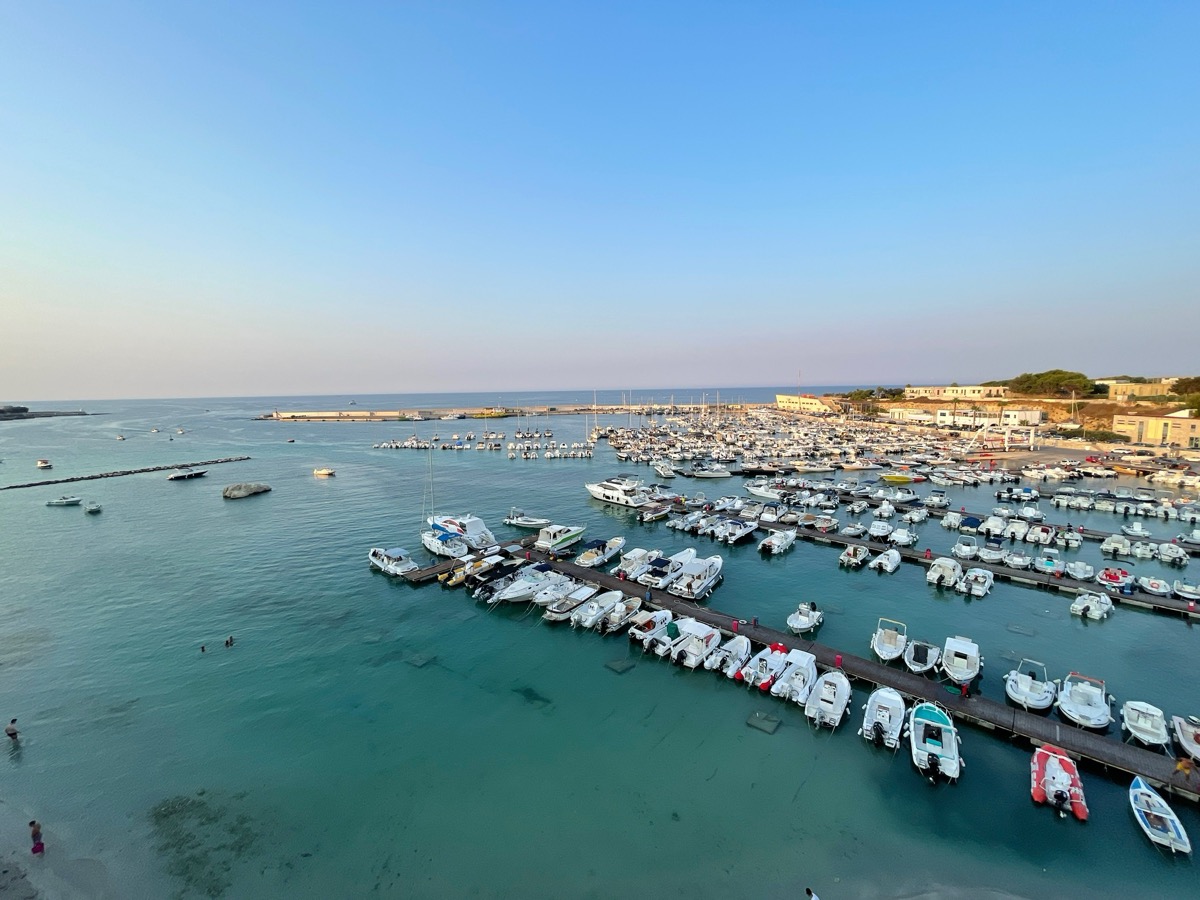
Puglia is the heel of Italy's boot, and it's the part most digital nomads overlook. Go there now, before everyone else figures it out. This is the Italy that doesn't try to impress you: no overcrowded museums, no €18 Aperol Spritz near a famous fountain. Just whitewashed hilltop towns, olive trees that are older than most countries, a coastline that switches between Adriatic teal and Ionian turquoise, and food that's absurdly good and costs almost nothing. Remote workers who land in Lecce or Bari tend to stay longer than planned. The pace of life is calibrated for deep work and even deeper eating. Monthly costs run low by Italian standards. The coworking scene is emerging. The coffee is excellent. The burrata is not from a supermarket.
Key Stats
Best Neighborhoods for Remote Workers
Lecce
If Puglia is underrated, Lecce is the most underrated city in Puglia. Called "the Florence of the South," and the comparison holds up. The baroque architecture here is so absurdly detailed it looks like someone told an architect "add more" for two hundred years straight. But beyond the aesthetics, Lecce works as a base because it has a proper university population, which means cafes that stay open late, internet that functions, and locals who are used to outsiders. Rent is genuinely cheap: a furnished apartment in the centro storico runs €400–600/month. The city is compact and walkable. You can be at your desk at 9am and eating sea urchin on bread at 1pm in a covered market without touching a car. For anyone who works European or East Coast hours, Lecce is close to perfect.
Bari
Bari is the capital and the logistical hub: better flight connections, better infrastructure, more coworking options. It also has Borgoantico, one of the most atmospheric old towns in southern Italy, where you can watch elderly women roll orecchiette by hand on their doorsteps every morning. This is not a tourist performance. They've just always done this. The seafront promenade is a good spot for evening calls if you need to think out loud. Bari is more chaotic than Lecce and has a reputation for petty theft in crowded areas (keep your phone in your pocket, not your hand), but it rewards the people who spend time here. Monthly rent for a private apartment: €500–750 in good neighborhoods like Poggiofranco or Libertà.
Ostuni
The White City. A hilltop town painted entirely white, sitting above a flat landscape of olive groves. Ostuni is slower than Bari or Lecce. It's better suited to founders on a deep work retreat than someone who needs regular coworking infrastructure. Internet at accommodation varies; ask before you book. But if you need three weeks of focused building and you want to sit on a rooftop at sunset with a glass of Primitivo and feel like you've sorted your whole life, Ostuni delivers every single time. Remote workers treat it as a satellite stay alongside a main base in Lecce or Bari.
Polignano a Mare
Dramatic cliffs, a tiny medieval center, and one of the most photographed coastlines in Italy. Polignano is small. Don't expect a coworking space here. But it's an easy day trip or short-term stay from Bari (30 minutes by train). If your work is visual, creative, or you just need a change of scene that will hit differently, Polignano is the place. The beach at Lama Monachile surrounded by white cliffs is as good as it looks in every Instagram photo. Come for a long weekend or build it into your rotation.
Coworking Spaces in Puglia
The coworking scene in Puglia is smaller than you'd find in Lisbon or Berlin, but it's real and growing.
Spazio Murat (Bari): Housed inside a restored historic building near Piazza del Ferrarese, this is Bari's most established collaborative workspace. Architects, designers, and startups use it. The building alone is worth the day pass. Amenities are solid: fast fiber, meeting rooms, printing.
Cowork Lecce: A well-equipped space in the centro that caters to remote workers and local freelancers. Good natural light, reliable internet, and you're walking distance from every cafe and lunch spot you need. Monthly membership is affordable.
Cafes as coworking: Lecce's cafe culture is quietly exceptional. Many digital nomads work from places like Caffè Alvino (famous for its pasticciotto) or spots around Piazza Sant'Oronzo. Order a caffè leccese — espresso over ice with almond milk syrup, an invention unique to this city — and you can sit for hours. Nobody will rush you.
What to Eat in Puglia
This is where Italian food stops performing and starts being honest. No fussy restaurants, no celebrity chefs chasing reservations. Just centuries of cucina povera, peasant food turned transcendent because the ingredients are that good.
Orecchiette con cime di rapa is the dish. Small ear-shaped pasta tossed with bitter turnip tops, anchovies, garlic, olive oil, and sometimes breadcrumbs for crunch. It sounds simple. It is simple. But Pugliese pasta has an almost chewy, doughy texture that's completely different from pasta anywhere else in Italy, because it's made by hand and shaped by pressing your thumb into each piece. The women doing this on Via dell'Arco Basso in Bari's old town will sell you a bag you can eat for lunch right there on the street. Buy it.
Burrata originated here — specifically in Andria, in the northern part of the region. What you get in Puglia is nothing like what you get anywhere else. It arrives on the table still slightly warm, torn open tableside, the cream spilling out. Put it on bread with salt and olive oil. That's it. Don't complicate it.
Focaccia barese is Puglia's other claim to global fame. Thick, spongy, deeply olive-oil-soaked dough, dimpled by hand, topped with cherry tomatoes, olives, and sometimes potato. A bakery in Bari sells it warm from the oven by the slice for under €2. This will be your lunch on the days you don't want to think about lunch.
Frisella: twice-baked bread rings, hard as a rock until you soak them briefly in water, then dressed with olive oil, tomatoes, oregano, and salt. This is Pugliese fast food from two hundred years ago and it is excellent. Every bar serves them in summer.
Ricci di mare (sea urchin) is not for the faint-hearted but absolutely essential. The fish market in Bari serves them raw, cracked open, the bright orange roe eaten directly from the shell with a squeeze of lemon. Order pasta ai ricci from any coastal restaurant and you'll understand why people move here.
Pasticciotto leccese is the reason to arrive in Lecce by 8am. An oval pastry filled with thick custard cream, baked until just golden, eaten warm. It's breakfast. It's also dessert. It's also acceptable at 11am between meetings.
Wine: Puglia produces more wine than all of Germany. The grapes — Primitivo, Negroamaro, Susumaniello — grow in some of the oldest vineyards in Europe. A bottle of quality Primitivo di Manduria costs €8-12 at a local enoteca. Go to Enoteca Mamma Elvira in Lecce, sit down, don't rush.
Markets: The Mercato del Pesce in Bari is a proper working fish market. Go early. The Mercato Coperto in Lecce is a covered market where you'll find local cheeses, olives, vegetables, and street food. Both are the kind of places that remind you why eating well is completely free if you know where to go.
Frequently Asked Questions
Is Puglia a good base for digital nomads?
Yes, especially for slow-nomads who want to stay one to three months. Infrastructure is better than its reputation suggests — Lecce and Bari have solid fiber internet and a growing number of coworking options. The cost of living is among the lowest in Western Europe for the quality you get.
What's the best time of year to be in Puglia as a remote worker?
April to June and September to October. Summer (July-August) is hot, crowded with Italian tourists, and prices spike. The towns are still beautiful but the pace shifts in a way that doesn't suit deep work. Spring and autumn are almost unreasonably good: warm, uncrowded, light that makes everything look like a painting.
Can I find long-term accommodation in Puglia?
Yes. Lecce and Bari have a healthy supply of furnished apartments available on monthly terms. Airbnb works for the first week while you look, then switch to local rental listings (Immobiliare.it, Idealista) for better rates. €450-650/month will get you a decent furnished apartment in a good neighborhood.
Is English widely spoken?
In Lecce and Bari, enough for daily life. University areas are more English-friendly. Smaller towns and village markets: far less. Learning twenty words of Italian will make your time here warmer. Pugliesi appreciate the effort in a way that feels genuine, not performative.
How do I get around Puglia?
Trains connect Bari, Lecce, Brindisi, and Taranto on the national network. The Ferrovie del Sud Est (FSE) regional railway connects smaller towns including Alberobello, Otranto, and Gallipoli. A rental car opens up the countryside and coast significantly, especially for day trips. Within Lecce and Bari, walking is the main mode of transport.