Coliving in Tbilisi, Georgia for Digital Nomads
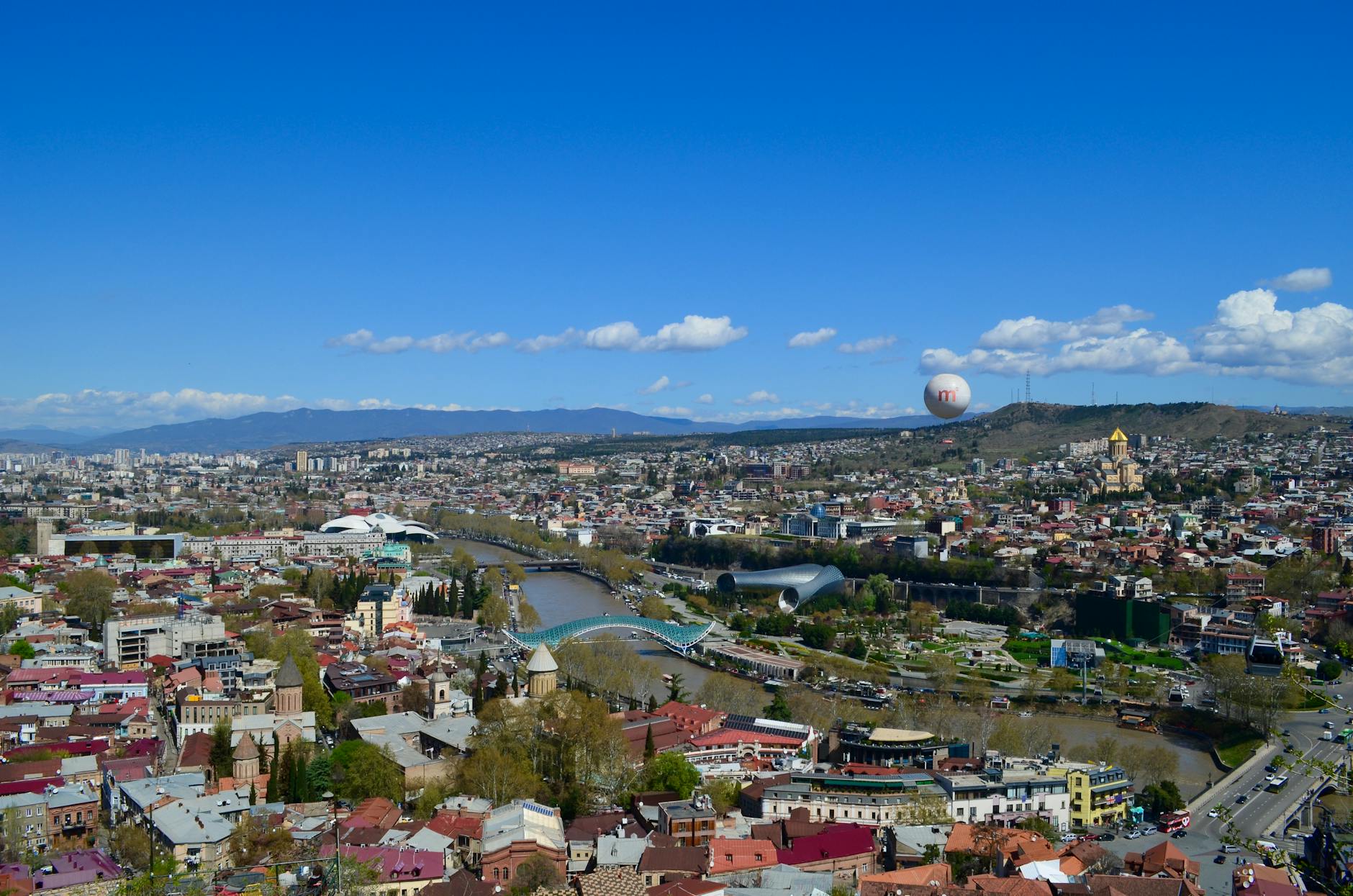
Tbilisi is one of those cities that keeps showing up on "hidden gem" lists, except it's not that hidden anymore. The Georgian capital has been pulling in digital nomads for years, and for good reason: it's absurdly affordable, the food scene is unlike anywhere else in the world, and you can legally stay for up to a year without even applying for a visa. The Old Town is all cobblestone streets and carved wooden balconies. The Soviet-era buildings sit next to craft wine bars. Locals treat you like a guest who showed up to their house for dinner, not a tourist passing through. Internet is solid enough for video calls, the weather is good from spring through autumn, and your euro or dollar goes embarrassingly far. If you've been looking for a place where you can live well, eat better, and not do mental gymnastics about your bank balance every month, Tbilisi is worth serious consideration.
Key Stats
Best Neighborhoods for Remote Workers
Fabrika / Marjanishvili
This is where most nomads end up, and it makes sense. The Fabrika complex — a repurposed Soviet sewing factory — is now a creative hub with coworking, coffee shops, hostels, and street food all in one courtyard. The surrounding Marjanishvili neighborhood has the best density of cafes with decent WiFi, wine bars that open at noon, and a general energy that makes you feel like things are happening around you without being overwhelming. Good metro access to the rest of the city. This is your base.
Old Town (Abanotubani)
Living in the Old Town is choosing vibes over convenience. The streets are narrow, the buildings lean at angles that shouldn't be structurally sound, and sulfur bath houses steam out of the hillside at Abanotubani. It's genuinely beautiful and slightly chaotic. Good for short stays when you want to feel like you're in a film. Less practical for long-term work — the internet in older buildings can be spotty, and everything is slightly uphill.
Vake
Tbilisi's upscale residential neighborhood. Quieter, greener, better apartment quality. If you want a proper desk, reliable fiber, and a neighborhood that feels less like a party and more like a place to actually get work done, Vake delivers. Slightly higher rents, but still a fraction of Western European prices. Popular with longer-term expats and families.
Vera
The sweet spot between Old Town atmosphere and Vake livability. A walkable, hilly neighborhood with good café culture, local fruit markets on the street corners, and a mix of restored and still-crumbling buildings that give it real character. Less touristy than Old Town, less polished than Vake. Good for people who want to feel like they live in Tbilisi.
Coworking Spaces in Tbilisi
Fabrika Coworking: Located inside the Fabrika complex itself, this is the most social coworking in the city. Hot desks, fast fiber, good coffee from the courtyard vendors. Expect to meet other nomads here. The energy is creative and slightly chaotic in a good way.
Impact Hub Tbilisi: A more structured, professional environment in the center. Meeting rooms, fixed desks, reliable connection. Better suited if you have calls all day and need quiet focus over community energy.
Workroom: A newer addition to the scene, popular with local startups and freelancers. Solid infrastructure, great natural light, and a less touristy crowd if you want to actually meet Georgian professionals working remotely.
What to Eat in Tbilisi 🍷
This is where Tbilisi separates itself from every other cheap nomad city. Georgian food is in a world of its own. You will spend your first month eating variations of the same six dishes with increasing obsession.
Khachapuri is the one everyone talks about and it earns the hype. The Adjaruli version — a boat-shaped bread filled with melted suluguni cheese, a raw egg cracked on top, and a knob of butter dropped in at the table — is something you stir together and eat with the torn edges of the crust. It costs maybe €3. You will eat it more times than you'll admit.
Khinkali are Georgian soup dumplings, pinched at the top into a thick dough knot that you don't eat (it's the handle). You pick them up, bite a small hole, drink the broth that's pooled inside, then eat the rest. Ordering a round of khinkali and arguing about how many you can eat is basically the national sport.
Mtsvadi — Georgian grilled meat on skewers, cooked over a vine-wood fire. Usually pork, sometimes lamb. The smokiness comes from the wood, not a marinade, which is the right way to do it.
Pkhali — Cold spinach or beetroot rolls packed with walnuts, garlic, and herbs. Sounds unassuming. Tastes like someone figured out a vegetable side dish that's actually worth eating.
Churchkhela — A Georgian "candy bar": walnuts or hazelnuts threaded on a string, dipped repeatedly in thickened grape juice until they form a waxy, chewy casing. Sold hanging in markets everywhere. Tastes like grape leather with a crunchy center. Completely unique.
For markets, head to Dezerter Bazaar — Tbilisi's main food market near the train station. It's loud, crowded, and sells everything: wheels of fresh cheese, bundles of tarragon and coriander, pickled vegetables in every color, dried fruits, churchkhela hanging in clusters. Get there in the morning when the produce is freshest.
And then there's the wine. Georgia invented wine — 8,000 years of evidence and counting. The traditional method uses clay vessels called qvevri buried in the earth for fermentation and aging. The result is amber wine: skin-contact whites with tannins and oxidative complexity that don't taste like anything you've had before. The wine bars in Old Town and around Fabrika are excellent, and a glass of natural qvevri wine costs roughly €2–4. You cannot make this up.
Frequently Asked Questions
Is Tbilisi safe for digital nomads?
Generally yes. Petty theft happens in crowded tourist areas and busy nightlife spots, same as any European city. The rest of the time, Tbilisi feels remarkably low-stress and welcoming. Solo travelers, including women traveling alone, widely report feeling comfortable here. Standard city sense applies — watch your phone, don't leave things unattended in cafes.
How's the internet for remote work?
Solid. Coworking spaces routinely hit 100+ Mbps fiber. Apartments vary — newer builds in Vake and Vera tend to have good connectivity, older buildings in the Old Town can be patchy. Always test before signing a long-term lease. Mobile data (Magti, Geocell) is fast and cheap as a backup.
What's the best time of year to visit?
May–June and September–October are the sweet spots. Summers (July–August) get genuinely hot — 35°C is normal. Winters are cold and grey, with occasional snow. Spring and autumn give you mild temperatures, stunning landscapes if you take weekend trips, and the city at its most alive.
Is the 365-day visa actually 365 days?
Yes. Georgia allows citizens of the US, EU, UK, and many other countries to stay for 365 days without a visa. You enter, they stamp your passport, and you have a year. No application, no fee, no bureaucracy. After a year you can technically leave and re-enter, though the rules on this evolve — check the Georgian Civil Registry Agency for current guidance before relying on a reset.
Can I find a good apartment easily?
Tbilisi has a functional short-term rental market on Airbnb and a solid mid-term market on local platforms (Facebook groups are surprisingly active for 1–3 month rentals). Budget €400–600/month for a decent furnished apartment in a good neighborhood. Cheaper is available if you go further from the center.
Related Destinations
If you liked the sound of Tbilisi, these might be your next stop:
We're basically a dinner party that travels.
Pop-up coliving for remote workers who like good food and better company. One month minimum, friendships that outlast the visa.
Pull up a chair