Coliving in Todos Santos, Mexico for Digital Nomads
What is it like to live in Todos Santos as a digital nomad?
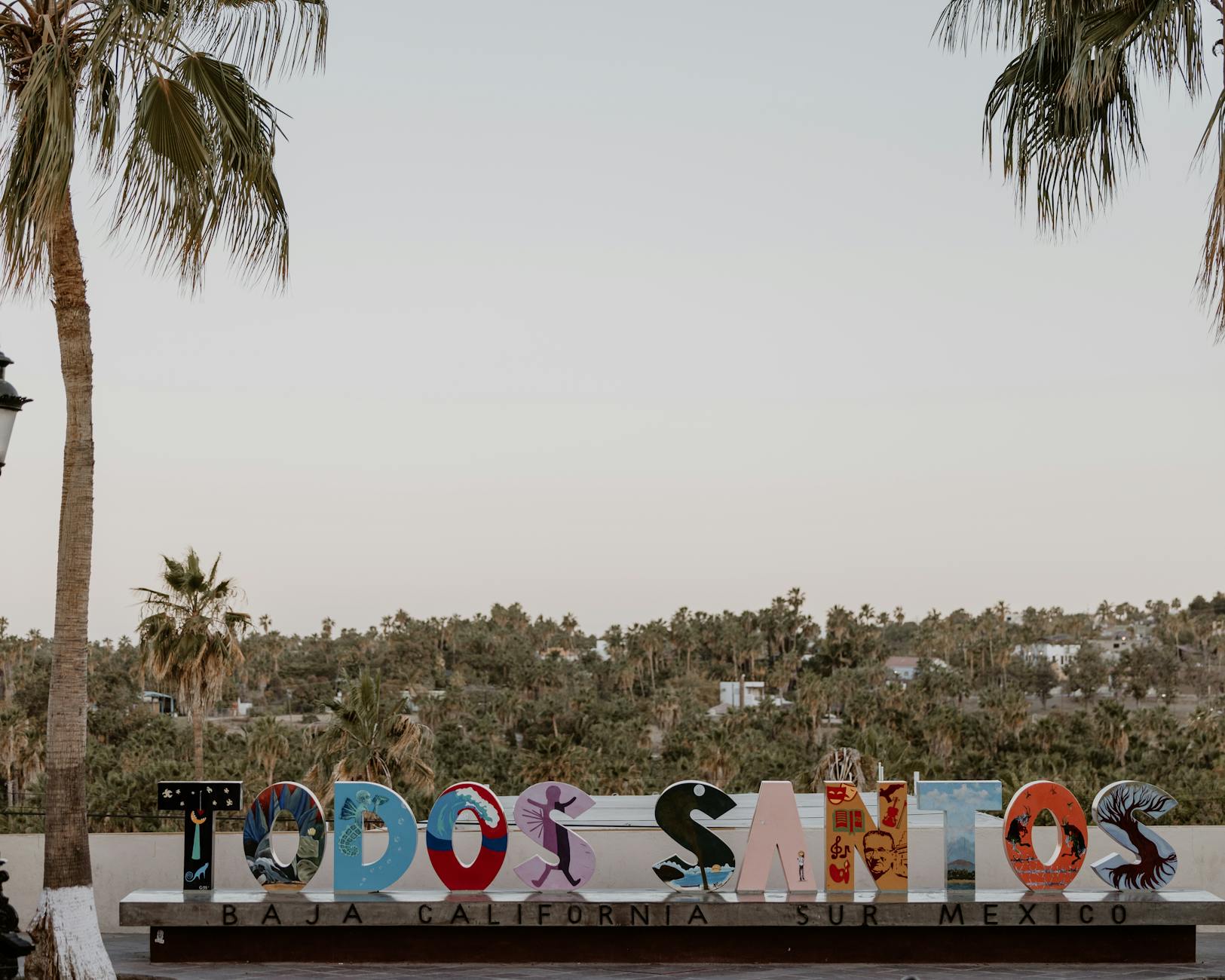
Todos Santos sits on the Pacific side of Baja California Sur, about 80 km north of Cabo San Lucas, and it has absolutely no business being this good. It's a small town, everyone-knows-your-order-by-day-three small, but it punches wildly above its weight on food, art, and surf culture. The historic center is walkable and lined with bougainvillea-draped colonial buildings, independent galleries, and enough excellent restaurants to make you forget you came here to work. Broadband internet has followed the expat tide and connectivity in Centro is now solid, typically 30–60 Mbps on fiber. You'll spend around $1,500–2,000 per month for a comfortable nomad life, which lands below Mexico City but above Oaxaca. The nomad community is small but real: the kind of place where you run into the same faces at the Saturday market and end up staying two months longer than planned. If you want Cabo energy, go to Cabo. Todos Santos is different, and better for it.
Key Stats at a Glance
| Stat | Details |
|---|---|
| Monthly cost of living | $1,500–2,000/month (solo nomad, incl. accommodation) |
| Average internet speed | 30–60 Mbps (fiber in Centro; patchy outside town) |
| Timezone | MST, UTC-7 year-round (Baja Sur does not observe DST) |
| Best months | October to May |
| Visa (US, EU, UK, Canada) | Mexico tourist permit (FMM), up to 180 days on arrival |
| Safety | Genuinely safe; small-town feel, low crime |
| Getting there | Fly into Los Cabos (SJD), then 75–90 min drive north |
Cost of Living in Todos Santos
Todos Santos sits in the middle of the Mexican cost spectrum. Not the cheapest base you'll find, but a lot of quality for what you pay.
| Category | Solo Nomad (mid-range) |
|---|---|
| Private room in rental house | $500–750/month |
| Studio or casita (your own place) | $900–1,400/month |
| Coworking / café wifi | $50–150/month |
| Groceries (cooking 4-5x/week) | $200–280/month |
| Restaurants & cafés | $200–350/month |
| Car or scooter rental | $200–400/month (strongly recommended) |
| Mobile SIM (Telcel, 20GB+) | $10–20/month |
| Going out, weekend activities | $100–250/month |
| Total | $1,500–2,000/month |
The main variable is accommodation. Good rentals in Centro are competitive and go fast in high season (November to March). Book ahead, or arrive in October and lock something down before the winter crowd lands. If you show up in November hoping to find a month-long place at reasonable price with reliable wifi, it's possible but stressful.
Food costs work in your favor. The Saturday organic market is one of the most affordable ways to stock a kitchen with local produce, fresh tortillas, and whatever fish came in that morning. Street tacos run 25–40 pesos each. Mid-range restaurants where you'd happily eat twice a week cost $12–20 per person. The expensive habit to watch: the Centro restaurant scene is good enough that it's genuinely hard not to eat out more than budgeted.
The thing most budgets forget: transport. No ride-share apps exist here and public transit is not worth planning around. A rental car or scooter is not optional if you want beach access, and that adds real monthly cost. Factor it in from day one.
Where to Work in Todos Santos
Let's be honest: Todos Santos is a small bohemian town, not a dedicated nomad hub. There's no WeWork. What there is: a cluster of solid café-coworking spots and a growing number of accommodation providers treating internet infrastructure as a real selling point.
Café and coworking spots
La Santeña is the go-to for locals and nomads who need focused hours with good espresso within arm's reach. It's on one of the main Centro streets, has strong wifi, and is relaxed about laptop hours. Show up before the lunch crowd if you want a table.
Café Santa Fe does daytime café service in a restored colonial courtyard that is beautiful enough to make client reports feel less awful. Pricier than your average work spot, but worth a half-day session at least once a week for the setting alone.
Los Adobes de Allende has outdoor courtyard seating, decent wifi, and works well for a morning session before lunch service fills the tables.
Villa and guesthouse coworking
Several rental villas and boutique guesthouses now advertise dedicated workspaces as a real feature. If you're booking a week or more, filter specifically for this. The difference between "has wifi" and "has a dedicated desk with reliable fiber" is not small. Ask for an actual speed test before committing to anything outside Centro.
The internet situation
Fiber connections in Centro run 30–60 Mbps; new builds often advertise it explicitly. Outside town, areas like La Poza or rural Cerritos rentals rely more heavily on mobile data. Telcel has the best 4G coverage in Baja California Sur; Movistar is a reasonable backup. A local SIM with a data plan runs around $10–20/month and is worth having regardless. Don't sign a long-term lease on anything outside Centro before testing the connection over a full working day including a video call.
Best Areas to Stay in Todos Santos
Centro (Historic Center)
This is where you want to be. The historic core has the best wifi infrastructure, all the good restaurants, the Saturday organic market, and enough cafés to rotate your work spots all week. It's walkable, slightly hilly, and looks exactly like what you'd hope a Baja colonial town looks like. Most coliving-style accommodations and longer-term rentals cluster here. Best for: people who want to step out the door and already be somewhere worth exploring.
Cerritos Beach
About 15 minutes south of town by car, Cerritos is the main surf beach and where the longer-stay crowd tends to land. There are a handful of boutique hotels and rental houses here with solid wifi. You won't walk to dinner (you'll need a car or scooter), but waking up 300 meters from Pacific waves is a trade most people make happily. Best for: surfers and anyone who prioritizes sunrise swims over walkability.
La Poza
A quiet lagoon neighborhood between town and the beach, La Poza attracts the slow-nomad crowd: artists, writers, people who genuinely came here to decompress. Infrastructure is patchier but the atmosphere is different in a way that's hard to explain and easy to feel. Best for: mid-to-long stays if you can secure a rental with included fiber. Do not rely on mobile data here without testing it first.
North Centro / Market District
The blocks around the Saturday market have a slightly more local energy than the tourist-facing Centro streets. Quieter in the evenings, easy walk to everything, and marginally more affordable for longer-term rentals. Best for: anyone staying a month who wants the Centro advantages without being directly on the main strip.
Visa & Logistics
Entry
Citizens of the US, Canada, EU, UK, Australia, and most Latin American countries receive a tourist permit (FMM) on arrival in Mexico, good for up to 180 days. You declare your intended stay at the border or airport; most nationalities get the full 180 days without question. There's no income requirement and no pre-registration. Mexico is one of the easiest entry situations for nomads anywhere in the world.
When the 180 days run out, the standard move is a border run (Cabo to San Diego by air is the cleanest option) and back in. Not glamorous but it works. For official longer-term residency, Mexico's Temporary Resident Visa covers one to four years and requires approximately $1,500–2,000/month of verifiable income plus a consulate appointment in your home country.
Getting there
Fly into Los Cabos International Airport (SJD), well-served from US hubs including Los Angeles, San Francisco, Dallas, Houston, and Phoenix. From SJD it's roughly 80 km north to Todos Santos: about 75–90 minutes by car. Options are a shared shuttle ($20–30 per person), a private transfer ($50–80), or renting a car at the airport. If you plan to stay more than a week, the rental car wins on every front.
On the ground
No Uber. No Bolt. Local taxis run between Centro and the main beaches; agree on a price before you get in. Car rentals are available in Cabo and at SJD, and a few local agencies operate in town. Scooter rentals exist and handle Centro fine. Get a Telcel SIM at the airport or in Cabo before heading north. A 30-day data plan with 20+ GB runs around $10–18. Pick up pesos at the airport ATM before you leave, because ATMs exist in Todos Santos but fewer of them.
Things to Do in Todos Santos
The rhythm here is slow on purpose. Here's what fills a good Todos Santos week:
- Surf Cerritos Beach. The beach south of town has consistent Pacific breaks for beginners and intermediates. Surf schools rent boards and give lessons; no experience required to start.
- Walk the gallery circuit. Centro has more serious art galleries per capita than most Mexican cities ten times its size. Galería de Todos Santos and a handful of independent studios rotate exhibitions throughout the year.
- Saturday Organic Market. Two hours minimum. Fresh produce, hand-pressed tortillas, local honey, tamales, mezcal with foraged botanicals, and the entire expat community in one square. Show up before 10am to actually buy anything.
- Day trip to Cabo Pulmo. One of the healthiest coral reef ecosystems in the Pacific, about 2.5 hours by car. Snorkeling and diving here is the kind of thing you'll describe in embarrassing detail for months afterward.
- Sunset at La Poza lagoon. The lagoon catches the light in a specific way that makes even people who don't take photos take photos.
- Hotel California. Whether it inspired the Eagles song is a debate with no winner, but the hotel bar is beautiful, the margaritas are strong, and the story is fun. Go once.
- Drive the Sierra de la Laguna backroads. Rent a 4x4 and head into the foothills. Goat farms, abandoned missions, and zero other tourists.
What to Eat in Todos Santos 🌮
This is what matters. Todos Santos has a food scene that makes no sense for a town of 5,000 people, and you should eat your way through it with zero guilt.
Start with the Pacific fish tacos. These are not what you get in Mexico City or Guadalajara. Baja fish tacos are their own category: crispy beer-battered white fish (mahi-mahi or cod are the standard), shredded cabbage, crema, pico de gallo, and a squeeze of lime. Roadside stands near the market do these for around 25 pesos each, and you will eat four before you've processed what's happening. This is not an exaggeration.
Then there are the clam tostadas. Baja is famous for its chocolate clams, sourced locally from the Pacific and served raw on a crunchy tostada with lime, salsa, and hot sauce. Find them at the Saturday organic market or at the fish counter near the town entrance. Eat them before noon. You will understand why people move here.
Ceviche here is Pacific-style: firmer fish, more citrus, a cleaner acid hit than the Gulf version. Order it at any mariscos spot and it arrives cold in a glass with tostadas on the side.
Benno does wood-fired cooking sourced from local farms. The kind of place that feels special without making you feel judged. Seasonal menu, rotating specials based on what's growing, and a wine list that takes itself seriously without pretending to be something other than a Baja restaurant.
Hierbabuena is farm-to-table before that became a marketing term. They grow half the menu on the property and the wood-oven-roasted vegetables will ruin your relationship with mediocre food for the foreseeable future. Go for dinner and order widely.
Café Santa Fe has been the most famous restaurant in town for decades and it earns the reputation: Mexican-Italian cooking in a colonial courtyard, with a menu shaped by what's being caught and what's growing locally. Dinner here early in your stay gives you something to measure everything else against.
Tacos de birria on weekend mornings near the town entrance: the consommé arrives in a cup for dipping. You drink it. You order another round. This is non-negotiable.
The Saturday organic market (Mercado Orgánico) is mandatory. Local farmers, bread bakers, honey producers, tamale makers, hand-press tortilla women, and at least one mezcal stand with bottles sourced from Oaxaca and Guerrero. It's the best two hours of any week in Todos Santos. Arrive before 10am to beat the line for the good tamales.
Mezcal culture is serious here. Several mezcalerías in Centro pour with the kind of provenance-obsessed attention that might feel over the top elsewhere but lands completely right in Todos Santos. Sip, don't shoot.
Weather & Best Time to Visit
Todos Santos has two distinct seasons and it's worth knowing which one you're booking into.
October to May is the window. The Pacific air keeps temperatures mild at 18–28°C, the town fills with its best version of itself, and the surf is consistent. November to February is peak season: cooler evenings, good swell, the Saturday market at full capacity, and restaurants that take reservations. March to May stays warm without tipping into hot, crowds thin slightly, and long-term rentals occasionally free up.
June to September is hurricane season and the heat is real. Temperatures climb to 33–38°C with humidity that makes working from a non-air-conditioned café feel like a personal endurance test. The town quiets down, prices drop, and locals reclaim the streets. Pacific swell picks up considerably so surf conditions can be excellent. Some people love this version of Todos Santos. Most nomads do not come specifically for it.
For a first stay, October or November is the sweet spot: ahead of full winter season crowds, rentals still available, and weather that makes you immediately understand why people keep coming back.
Safety in Todos Santos
Todos Santos is one of the safer destinations in Mexico for visitors. Violent crime is rare. It's a small town where people know each other and the local community has a real stake in keeping things good.
Standard awareness applies: don't leave valuables visible in a parked car, keep an eye on your bag at the Saturday market when it's crowded, and stick to taxis where you've agreed on a price in advance.
The highway between Todos Santos and Cabo has seen occasional vehicle incidents in the past, so drive during daylight where possible and don't stop for strangers on the roadside. This applies to rural Baja generally, not specifically to Todos Santos.
For solo female travelers, Centro reports as comfortable. The bar scene is small and manageable. Use the same judgment you'd apply anywhere unfamiliar: know where you're going, keep someone in the loop, trust your read of a situation.
The Honest Downsides
Todos Santos is worth it. But here's what nobody mentions when they're trying to sell you the dream.
Getting there is a production. Fly to Los Cabos, then arrange your own transfer for 80 km of highway. No trains, no reliable bus service, minimal public options. First-time arrivals with luggage should budget for a car rental or a transfer from the airport.
No ride-share apps. Uber doesn't operate here. Local taxis work but you need some Spanish and the willingness to negotiate a fare. If you want to move freely between town and the beaches, a car or scooter is a real budget line, not an optional add-on.
The nomad scene is intentionally small. This is not Playa del Carmen or Medellín. If you need a large community of remote workers around you to stay social and motivated, Todos Santos will feel quiet. There are people here, but it's a village, not a hub.
Summer heat is genuine. Heat plus humidity in July and August is not a minor inconvenience. If your productivity drops above 30°C and consistent air conditioning isn't guaranteed, plan your visit dates around this.
Infrastructure thins outside Centro. Healthcare, banking, specialist shops, and reliable internet all cluster in the historic center. Outside that radius, a drive to Cabo is how you solve most specific problems.
The rental market is competitive in season. Good places in Centro go by October. Arriving in November expecting to find a month-long rental with decent wifi at a reasonable price is possible but comes with stress and compromises. Book ahead if you can.
Is Todos Santos Right for You?
Yes if: you want a slower pace with an unexpectedly strong food scene, you're comfortable in a small community, surf or Pacific access is on your list, and you're fine needing a car to fully use the place. You appreciate trading some conveniences for real character. You like the idea of a town that has clearly not been optimized for nomads, and that's exactly why it works.
Skip it if: you need a large nomad scene to feel motivated, you're optimizing purely for cost (try Oaxaca or Mexico City instead), or you want full metropolitan infrastructure with a coworking on every block. Todos Santos rewards people who came for something specific. If you're not sure what you're looking for, a bigger hub will serve you better.
If you want the Casa Basilico version of slow-nomad life with a built-in community, great food, and people who actually want to be there: come join us.
Todos Santos vs. Other Nomad Hubs
| If you want… | Todos Santos | Oaxaca | Mexico City |
|---|---|---|---|
| Monthly budget | $1,500–2,000 | $1,200–1,800 | $1,500–2,200 |
| Food quality | Exceptional | Exceptional | Very strong |
| Nomad community | Small | Growing | Large |
| Beach access | At door | None | None |
| Internet reliability | Solid in Centro | Solid in Centro | Excellent citywide |
| Infrastructure | Small-town | Mid-size city | Full metropolis |
If you want the same incredible Mexican food culture with more infrastructure and a growing nomad scene, Oaxaca is the obvious comparison. More city, no beach, better weather consistency for working year-round. If you want full metropolitan infrastructure with a world-class food scene and 25 million people's worth of options, Mexico City delivers everything Todos Santos doesn't and gives up the Pacific. And if you've already done Mexico and want a similar small-surf-town feel on a different continent entirely, Taghazout in Morocco scratches a comparable itch with Atlantic waves and a fish-forward food culture. For something European with beach access and a smaller-community feel, Tarifa in southern Spain is worth a look.
Frequently Asked Questions
Is the internet in Todos Santos good enough for remote work?
In Centro and most established rental properties, yes. Fiber connections run 30–60 Mbps and newer builds advertise it specifically as a feature. Avoid relying on mobile data in outlying areas like La Poza or rural rentals outside town without testing first. The infrastructure has improved substantially since 2022 but it's not Lisbon yet. When booking a rental for more than a week, ask for an Ookla speed test screenshot before you commit.
Is Todos Santos expensive for Mexico?
More than Oaxaca or Mexico City, less than Cabo. You can live comfortably on $1,500–2,000/month with a decent rental and eating well. Mid-range restaurants run $12–20 per person. The Saturday organic market lets you stock a kitchen with excellent local produce on a reasonable weekly budget. The main budget-blower is the Centro restaurant scene, which is good enough that eating out more than planned is a consistent problem.
When is the best time to visit as a digital nomad?
October to May is the sweet spot. June to September brings humidity, real heat, and occasional hurricane-season disruptions. The town quiets down considerably in summer, which has its appeal (lower prices, more locals around), but working from a café at 35°C without reliable air conditioning is its own challenge.
Is there a nomad community in Todos Santos?
Small but real. It's not a scene like Playa del Carmen or Medellín, but there are Facebook groups, an active expat community, and enough nomads cycling through that you'll meet people. The Saturday market and a handful of Centro bars are the natural gathering points. Good place to be if you want community without the full nomad-circus energy.
Can I get around without a car?
For Centro, yes. For everything else (beaches, restaurants outside walking distance, the market when it's hot), a rental car or scooter makes life considerably easier. Bike rentals exist and work for the flat parts of town. Uber doesn't operate here; local taxis do, and rates are reasonable once you know the going price.
What's the visa situation for visiting Todos Santos?
Todos Santos is in Baja California Sur, Mexico. Citizens of the US, EU, UK, Canada, and most countries receive a tourist permit (FMM) for up to 180 days on arrival with no income requirement and no pre-registration. Mexico is one of the most nomad-accessible countries in the world for entry. If you want to stay beyond 180 days, Temporary Resident status is available through a Mexican consulate in your home country.