Coliving in Taghazout, Morocco for Digital Nomads
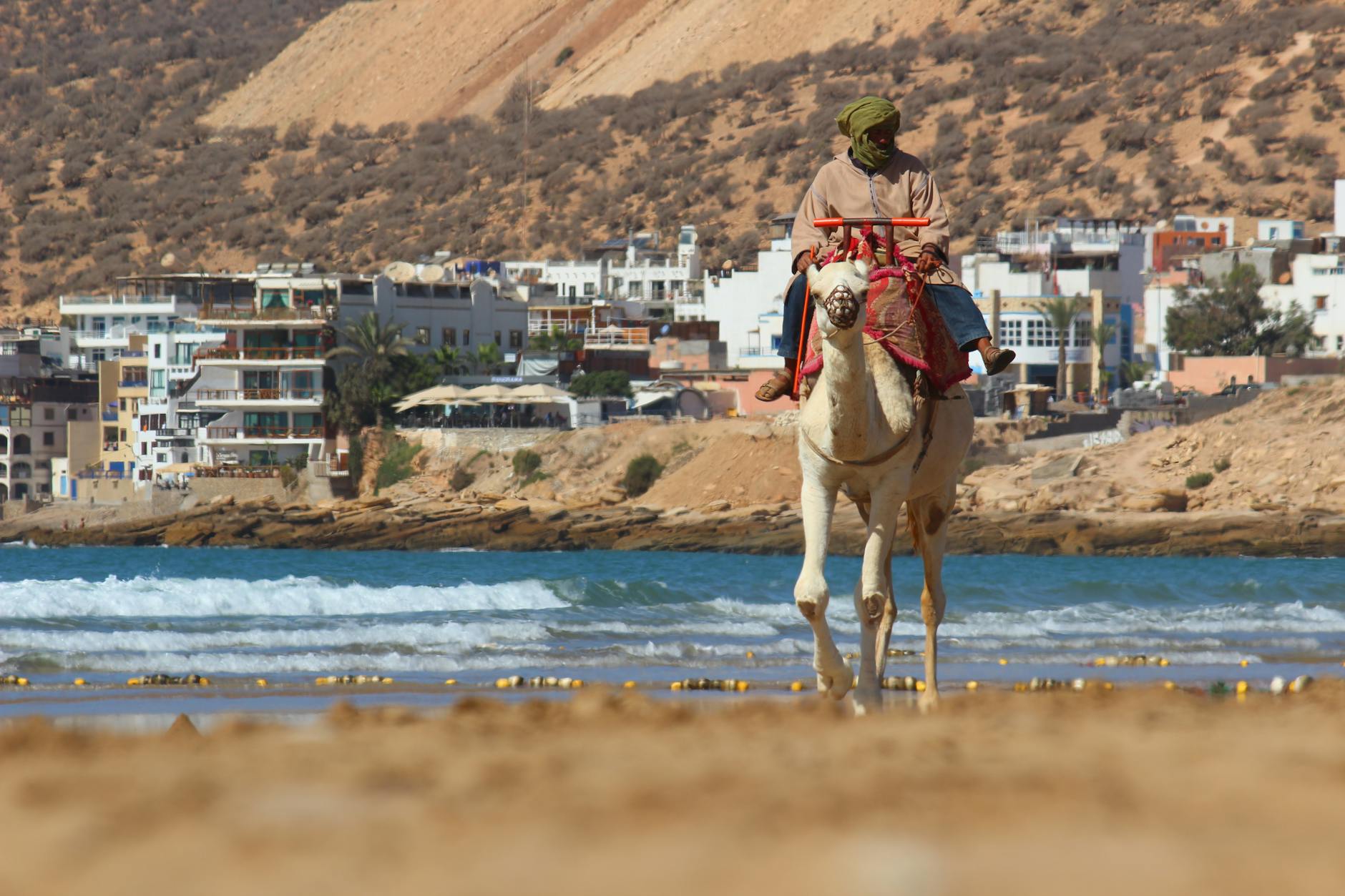
Taghazout is a small Berber fishing village on Morocco's Atlantic coast that somehow became one of the most talked-about remote work destinations in the world. It sits about 19km north of Agadir. Close enough to use the city's infrastructure, far enough to feel like a different planet. The Atlantic is right there, the surf is world-class, and the cost of living makes European cities feel like a scam. Working here means your lunch break is a twenty-minute walk to a beach that looks like a screensaver, and your evenings smell like charcoal grills and mint tea. The nomad scene is small but real: mostly surfers who brought laptops, plus a growing wave of people who came for a week and booked a second month before they even unpacked. Wifi in dedicated coliving and surf camp setups is decent enough for calls. The food alone is a reason to come.
Key Stats
Cost data: Numbeo Cost of Living Index 2025, NomadList Taghazout estimates.
Best Neighborhoods for Remote Workers
Taghazout Village
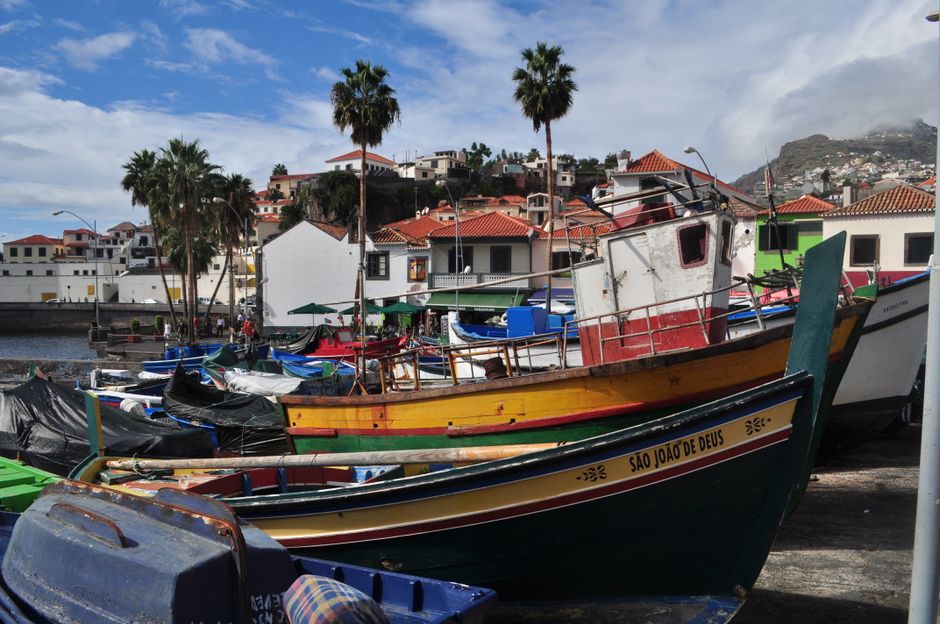
The original fishing village. White and blue houses stacked on a rocky headland, cats everywhere, fishermen pulling up nets next to guys checking Slack. The surf breaks — Hash Point, Anchor Point, Panoramas — are a short walk from most accommodation. Wifi can be inconsistent in older riads, but the better-equipped surf houses and coliving spots have invested in satellite or fiber links. This is where you want to be if you care about the full Taghazout experience: the chaos of the market street in the morning, the mint tea ritual in the afternoon, the sound of waves from your rooftop.
Tamraght
Five minutes south of Taghazout village by car, and noticeably calmer. Tamraght is the neighboring village that's become the go-to for longer stays — the accommodation is more spacious, the prices drop, and the wifi infrastructure is generally better because more coliving setups have established themselves here. Several surf camps with coworking areas are based in Tamraght. It's a good pick if you're staying more than two weeks and want reliable working conditions alongside the surf lifestyle.
Taghazout Bay (Nouvelle Station)
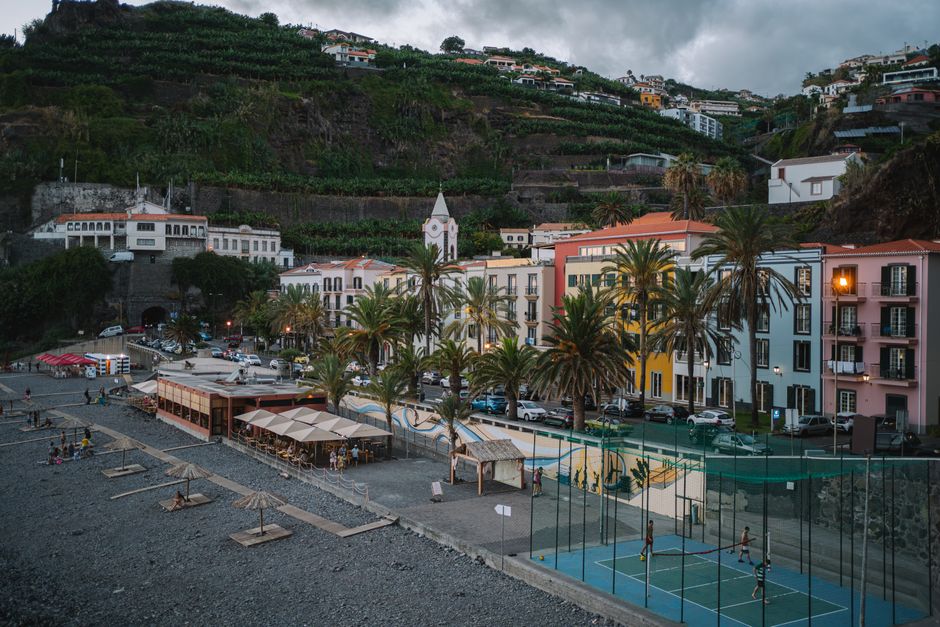
A few kilometers south of the village, Taghazout Bay is a government-developed resort zone with hotels, restaurants, and a long beach promenade. It's less atmospheric than the village but more comfortable — better electricity reliability, faster internet, and more Western amenities. If you need a serious work week with zero friction, a short-term stay here delivers. It can feel sterile compared to the old fishing village, but the beach is beautiful and the sunsets are absurd.
Agadir (20 minutes south)
Not Taghazout technically, but part of the real daily reality of living here. When you need a proper coworking space, a supermarket, a pharmacy, or any kind of urban logistics sorted, Agadir is where you go. Morocco's third-largest city has full infrastructure, multiple coworking spaces, and an airport. Many nomads base themselves in Taghazout but make weekly Agadir runs. The city's fish market and souk are also worth the trip in their own right.
Coworking Spaces in Taghazout, Morocco
Surf Berbere (Tamraght): One of the most established surf camps in the area, with a proper work setup that's evolved to meet the demand from laptop-carrying guests. The wifi is solid for calls, and the terrace with an Atlantic view makes it extremely hard to stay focused. Which might be the point. They offer daily and weekly passes alongside their accommodation packages.
Cowork Agadir: For the days when you need a serious desk, a fast connection, and a door that closes, Agadir has dedicated coworking spaces about 25 minutes by taxi from Taghazout. Air-conditioned, reliable power, the works. Not glamorous, but it does the job when a deadline is real.
Your Riad's Rooftop: Half-joke, fully true. Taghazout's most popular coworking setup is a table on a terrace with a view of the Atlantic. Many riads and surf houses have invested in their internet precisely because guests were working remotely. Ask about speeds and router location before booking — it varies a lot by property, and the difference between a great connection and a frustrating one is often which floor you're on.
What to Eat in Taghazout, Morocco
Taghazout is a fishing village. The fish they're grilling at the beach restaurants came out of the water this morning, which is a sentence most people stop taking for granted when they've only eaten supermarket salmon for years. The Atlantic here is cold and clean, and the sardines are extraordinary — butterflied, rubbed with chermoula (a herb-and-spice paste that Morocco does better than anywhere), grilled over coals, eaten with bread while the wind throws salt at your face. That's lunch. That is a whole lunch.
The tagines are what most people expect from Morocco, and they deliver. What surprises people is the variation — lamb with preserved lemon and olives, chicken with caramelized onions and almonds, kefta (spiced meatballs) with eggs in a terracotta pot that arrives still bubbling. Every family has a version, every restaurant has an opinion, and none of them taste quite the same. Order one when it's cold or grey — and in Taghazout the Atlantic wind will make it cold and grey occasionally, even in spring — and you will feel genuinely looked after.
Breakfast is its own ritual. Msemen are griddle flatbreads, flaky and slightly chewy, served with amlou — a thick paste of roasted almonds, argan oil, and honey that has no right to be as good as it is. You eat it in a cafe that's been there longer than you've been alive, with mint tea that arrives pre-sweetened and poured from a height for the foam. The bread is baked fresh nearby; you can often hear it. The orange juice is pressed to order, and Morocco's oranges are not a neutral experience. They're sweet and almost shockingly orange-flavored, like someone turned the contrast up on fruit.
Friday is couscous day — proper steamed semolina piled over lamb or chicken and slow-cooked vegetables, traditionally eaten communally after Friday prayers. If you're in a riad or coliving with a shared kitchen and Moroccan hosts, and Friday rolls around, you eat that couscous. Don't skip it.
Street food: sfenj are Moroccan donuts, deep-fried in oil in the market and handed over in a paper bag still hot, sometimes dusted with sugar. They cost almost nothing and are completely addictive. Hard to explain if you haven't had one at 8am while the market is waking up around them.
For something more complex, pastilla is a sweet-savory pastry filled with shredded chicken or pigeon, almonds, cinnamon, and egg — dusted with powdered sugar and served as a starter. It sounds like it shouldn't work. It works. You'll find it more easily in Agadir restaurants than in Taghazout's smaller eateries, but it's worth tracking down.
The tea is always happening. Moroccan mint tea — atay — is not a drink, it's a conversation. Three glasses is tradition: the first is as bitter as life, the second as strong as love, the third as sweet as death, or so the saying goes. In practice it means you sit for longer than you planned, and that is the entire point.
Frequently Asked Questions
Is Taghazout good for digital nomads who don't surf?
Yes. The surf culture is the dominant vibe, but non-surfers do well here — especially if you enjoy beach walks, hiking in the Souss-Massa region, good food, and a slower pace than big cities. The landscape is dramatic, day trips to the Anti-Atlas mountains are possible, and the cost-to-quality ratio for accommodation is strong. You'll just need to be okay with everyone around you occasionally talking about wave height.
How reliable is the internet in Taghazout?
Variable by property. The newer surf camps and coliving setups specifically targeting remote workers have made infrastructure investments — you can regularly get 20–35 Mbps which handles video calls fine. Older riads in the village can be more patchy. Always ask the host for a speed test screenshot before booking if your work depends on it. Keep Agadir in your back pocket for high-stakes deadline days.
What's the best time of year to work from Taghazout?
October to April is the classic season — the waves are at their best, the weather is mild (18–24°C), and the nomad population peaks. Summer gets hot and the surf flattens out, but the Atlantic swimming is excellent. If you want calm, affordable, and fewer people: June and September hit a sweet spot.
Is Morocco expensive compared to other nomad destinations?
It's one of the more affordable options for this quality of life. €700–€1,000/month comfortably covers a decent room, three meals a day (including restaurant meals regularly), local transport, and a coworking setup. That's competitive with Southeast Asia and much cheaper than Southern Europe. The exchange rate generally works in favor of those earning in EUR or USD.
Do I need to speak Arabic or French to get around?
French is widely spoken in tourist and commercial contexts — more so in Agadir, less so deep in the village. English is spoken at most surf camps and coliving setups catering to international guests. Learning a few words of Darija (Moroccan Arabic) or Tachelhit (the local Berber language) goes a long way in terms of goodwill. "Shukran" (thank you) and "la bess" (I'm fine, used as a greeting) will earn you genuine warmth.
Related Destinations
If Taghazout sounds like your kind of thing, these might too: