
Coliving in Calheta, Madeira for Digital Nomads
What is it like to live in Calheta, Madeira as a digital nomad?
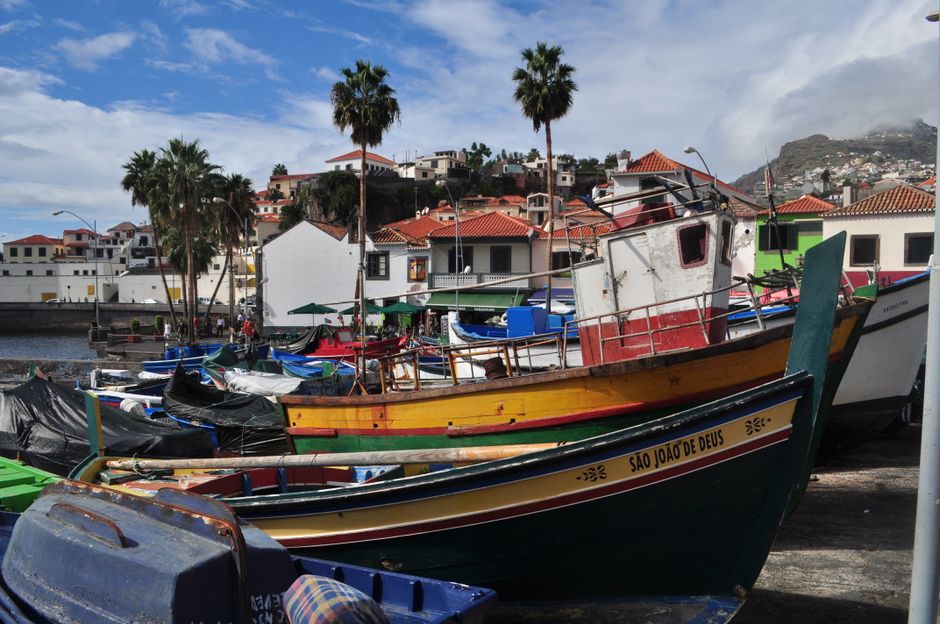
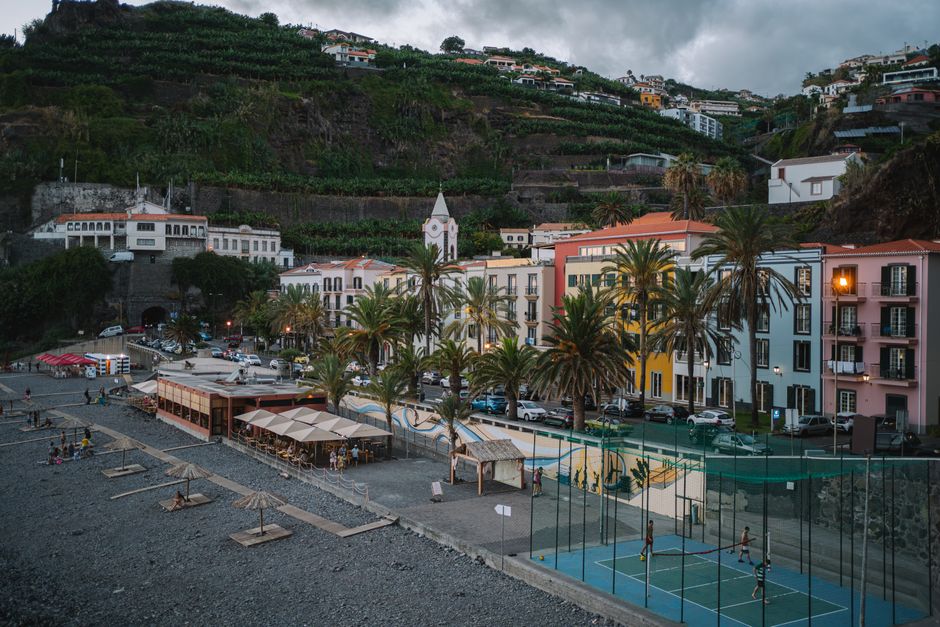
Calheta sits on Madeira's southwest coast, quieter than Funchal, sunnier than most of the island, and far enough from the tourist circuit that you'll actually run into locals at the market. It's a small municipality with a marina, one of Madeira's few proper sandy beaches (the sand was imported from the Sahara, yes, we know, still gorgeous), and a pace of life that makes your to-do list feel less violent. For digital nomads, Calheta is a working retreat more than a networking hub. You won't find a dozen coworking spaces or a weekly nomad meetup in someone's garden. What you will find is solid fibre at your accommodation, a café that knows your order by Wednesday, and a view of the Atlantic that somehow makes Slack feel tolerable. If your idea of the nomad life involves surfing at Paul do Mar, limpets off a grill by the sea, and finishing your deep work before noon, Calheta delivers.
Key Stats at a Glance
| Metric | Detail |
|---|---|
| Monthly cost (mid-range) | €1,300–€1,800/month |
| Average internet speed | 100–300 Mbps (fibre widely available) |
| Timezone | WET (UTC+0), WEST (UTC+1) in summer |
| Visa | 90 days visa-free (Schengen); Portugal D8 Nomad Visa for longer stays |
| Safety | Very safe. Madeira consistently ranks among Europe's safest islands |
| Language | Portuguese. English understood at most accommodation and cafés |
| Currency | Euro (EUR) |
| Best months for nomads | October–April |
Cost of Living in Calheta, Madeira
| Expense | Monthly estimate |
|---|---|
| Long-term accommodation (private room, coliving) | €700–€1,100 |
| Private apartment (short-term rental) | €900–€1,400 |
| Groceries | €250–€350 |
| Eating out (local restaurants) | €150–€300 |
| Transport (car rental or bus) | €150–€350 |
| Coworking (nearest options, Ponta do Sol or Funchal) | €100–€150 |
| Coffee, leisure, occasional poncha | €80–€120 |
| Total (mid-range) | €1,300–€1,800 |
Calheta is slightly cheaper than Funchal for accommodation because demand is lower. The trade-off is that you need wheels. Buses exist but they run on their own schedule, not yours. A rental car adds cost but opens up the entire island, and on Madeira that matters. Groceries are reasonable. The local market is good and Funchal's Continente and Lidl are reachable without drama.
Where to Work in Calheta, Madeira
Coworking spaces
Honest truth: Calheta doesn't have a dedicated coworking space at time of writing. The nearest options are in Ponta do Sol (25 minutes east), which has a small nomad infrastructure built around the digital nomad community there, or in Funchal (45 minutes east) which has proper options including Second Home and Cowork Funchal. If you need a daily office setup, make a plan before you arrive.
Laptop-friendly cafés
Marina de Calheta. The cafés along the marina have decent seating, acceptable WiFi, and views of the Atlantic that make sitting at a desk feel almost reasonable. Order a galão, open your laptop, pretend you're a local writer. Works best before 1pm when it fills up for lunch.
Café Central. Small, no frills, reliable. The owner doesn't rush you out after one coffee. This is the nomad baseline everywhere: a place that treats you like a person, not a table to turn.
Your accommodation terrace. This is where most nomads in Calheta end up working. The southwest coast gets afternoon sun late into the day. With fibre internet and the Atlantic in front of you, the moral argument for commuting anywhere collapses quickly.
Internet situation
Fibre is well-distributed across the municipality. MEO and NOS are the main providers. Most quality accommodation comes with 100–300 Mbps already included. If you're staying somewhere that depends on 4G, test it on day one. NOS and MEO SIM cards are easy to pick up in Funchal and give you a solid backup connection.
Best Areas to Stay in Calheta, Madeira
Calheta Village & Marina
The marina is the centre of things. Restaurants, a watersports hub, the beach. Walkable, but bring your legs for the hills. Best for: people who want to eat well, be near the water, and not depend on a car for daily life.
Arco da Calheta
A few kilometres inland and uphill. Traditional Madeiran village atmosphere, quieter, with levada access that the coastal strip doesn't offer. Best for: hikers, people who want genuine village life, introverts who need space.
Paul do Mar
A tiny fishing village at the bottom of steep cliffs. Famous for its surf break. Strong local character and limited amenities. Best for: surfers, people who want to feel they've actually escaped something.
Jardim do Mar
Even smaller than Paul do Mar. Also a surf destination. Utterly quiet. The kind of place where you hear the sea from every room. Best for: those who do their best work in near-silence.
Prazeres
Higher up, cooler, traditional. Stone houses, wisteria, chickens, views down to the coast that make you stop mid-sentence. Best for: those who want classic Madeiran hill village life and don't mind the altitude.
Visa & Logistics
EU nationals: Move freely. No timeline, no paperwork.
Non-EU nationals from Schengen-exempt countries: 90 days in any 180-day period. Portugal is Schengen, so your Madeira days count toward that total.
Portugal Digital Nomad Visa (D8): Designed for remote workers earning above roughly €3,040/month gross. Processed through Portuguese consulates. It's slower than you hope and faster than it used to be. Apply before you leave home. Portuguese bureaucracy does not reward spontaneity.
NHR/IFICI (Non-Habitual Residency): The updated tax regime that made Portugal famous for nomad relocation. Reduced income tax rates for the first 10 years for qualifying earners. Worth looking at seriously if you're planning to stay longer than 6 months. Consult an actual tax professional, not a Reddit thread from 2022.
Getting to Calheta: Fly into Madeira Cristiano Ronaldo International Airport (FNC) near Funchal. From there, Bolt to Funchal centre runs €15–20, then drive west (~45 min). There's no direct public bus from the airport to Calheta. Rent a car at the airport if you're heading straight to the west coast.
Things to Do in Calheta, Madeira
Whale watching from the marina. Calheta is one of the best departure points for whale and dolphin watching on the island. Sperm whales, bottlenose dolphins, pilot whales. Real ones, in the actual Atlantic. Book with one of the smaller operators docked at the marina rather than a package tour.
Paul do Mar and Jardim do Mar. Two of Madeira's best surf breaks. Paul do Mar has a long left-hander that comes alive in winter swells. Jardim do Mar is more sheltered and consistent. You don't need to be a pro. Boards are rentable.
Levada walks. The west coast has levada trails through vineyards, forests, and past old quintas. The Levada da Calheta is accessible from multiple entry points. Take the WalkMe app, download the routes offline, and tell someone where you're going.
Casa das Mudas Arts Centre. Modern architecture built into the clifftop. Rotating exhibitions, a café, a terrace with one of Madeira's most dramatic coastal views. Consistently undersold in travel guides, which means you'll have space to think.
Calheta beach. The Saharan sand was imported, yes, and it's still the best sandy beach on the island. Come in October when the summer crowd is gone. Swim, read, eat something good, repeat.
The aguardente trail. Calheta is sugar cane country. A few local producers still make Madeiran rum (aguardente) the traditional way. Ask at the marina about distillery visits. Some are informal. All are worth it.
If you want community alongside all of this, Casa Basilico runs chapters nearby in Ponta do Sol, 25 minutes east, at the Banana House. The coliving version of the west coast experience, with people, pasta, and a schedule built around actual life.
What to Eat in Calheta, Madeira
This is the section we actually wrote the guide for.
Lapas. Grilled limpets. They come on the half shell, swimming in garlic butter and lemon juice, and you eat them with bread and a kind of quiet disbelief that something this simple can taste this good. Order them everywhere you see them on the menu. Eat them hot. The best ones on the west coast are at the marina restaurants and the no-frills spots in Paul do Mar where they cook them outside. If you leave Madeira without eating lapas at least four times, we'll be personally disappointed.
Espetada. Beef espetada is Madeira's signature dish: chunks of beef marinated in garlic, bay leaves, and coarse sea salt, then threaded onto a stick of fresh bay laurel and roasted over a wood fire. The bay laurel perfumes the meat from the inside out. It arrives hanging on a hook above the table so the juices drip down onto your bolo do caco below. The bolo do caco exists specifically to catch those drips, and understanding this changes everything.
Bolo do caco. Flat round bread made with sweet potato, cooked on a basalt stone. Eat it warm, torn open, slathered in garlic butter. The sweet potato gives it a slightly dense, soft crumb that is the perfect vehicle for everything else on this list. You'll find it at roadside stalls and never regret stopping.
Espada com banana. Scabbardfish (espada) with banana. This sounds like a mistake. It is not a mistake. The espada is a deep-sea species caught off Madeira's coast, mild and firm with white flesh, typically served fried or grilled. The banana adds something tropical and slightly sweet that cuts through the richness in a way you won't expect until it's in your mouth. Order it at least once.
Poncha. Madeira's drink. Traditional poncha is aguardente (local sugarcane spirit) mixed with honey and lemon. The west coast variation uses maracujá (passion fruit) instead. It's served cold in a small glass. It's stronger than it tastes. One to start dinner, then you decide.
Sopa de tomate. Tomato bread soup. Simple food done with dignity. Eggs poached directly in the broth, good bread soaked in all of it, herbs. The kind of thing that becomes a comfort you'll miss when you leave. Some restaurants in Calheta do this better than anything you'll find in Funchal.
Bolo de mel. Molasses cake made with sugarcane syrup, spices, and dried fruit. Dense, dark, not sweet in the way you'd expect. Locals eat it at Christmas and throughout winter. You'll find it year-round. It's good with coffee and it travels well if you want to bring some home.
Weather & Best Time to Visit
Calheta sits on the southwest coast, which means it catches more sun than Funchal and far more than the north coast. Madeira's microclimates are real, dramatic, and frequently the subject of locals correcting tourists who say "it was raining in Madeira."
| Season | Avg temperature | What to expect |
|---|---|---|
| Oct–Apr (nomad season) | 18–22°C | Cooler, fewer tourists, surf season, occasional rain |
| May–Sept (summer) | 23–27°C | Warmest, beach fills up, accommodation prices rise |
| Year-round | — | Calheta regularly gets sun even when Funchal is under cloud |
October to April is the right window for nomads. Lower accommodation prices, fewer people competing for the good tables at the marina, uncrowded hiking trails, and better surf. Summer works but expect the beach to be packed through July and August and rates to climb accordingly.
Safety in Calheta, Madeira
Madeira is consistently one of the safest places in Europe. Calheta is a small community where people know each other and the local crime context is nonexistent. The real risks are practical rather than social:
Mountain driving. The roads are steep, narrow, and occasionally terrifying if you've never driven on cliff roads. Go slow on day one. Your rental car isn't going anywhere.
Ocean swimming. Currents around Madeira can be strong. Always swim at the official beach at Calheta marina, not off rocks or in unfamiliar spots.
Hiking alone. Trails are generally well-marked but some go remote. Download offline maps via WalkMe. Tell someone your route.
The village at night, in the rain, with zero bars open, is about as threatening as a library. Solo travellers (including solo women) report feeling comfortable here.
The Honest Downsides
No coworking scene. If you need the social energy of a nomad hub, with events, shared spaces, and the kind of weekly meetups where you overhear someone's startup pitch, Calheta isn't that. Ponta do Sol does this better. Funchal does it much better.
You need a car. The bus runs but on its own terms. If you're a car-free nomad, either budget heavily for taxis or commit to staying within walking distance of the marina.
It's small. The restaurant rotation is limited. After three weeks you've been everywhere, know the menus, and you'll either find that charming or start plotting day trips to Funchal. Both are valid responses.
It's quiet. This is the point, but if you recharge through social situations rather than solitude, the quietness will wear you out by week two.
The beach gets crowded in summer. July and August, Madeira's one proper sandy beach becomes a logistics project.
Is Calheta, Madeira Right for You?
Go to Calheta if:
- Your work requires focused, uninterrupted time and you want to protect it
- You surf, hike, or prefer outdoor over social as your primary recovery mode
- You want Madeira without Funchal's tourist weight
- You're coming for a full month and want to feel like a west-coast local by the end of it
- Whale watching is on your list and you want to do it without a bus tour
Skip Calheta if:
- You need a proper coworking space every day
- Networking, community events, and shared working energy are essential to how you work
- You're car-free and intend to stay that way
- You need reliable nightlife or a city's worth of restaurant options
Calheta, Madeira vs. Other Nomad Hubs
| Calheta | Ponta do Sol | Funchal | Las Palmas | Lisbon | |
|---|---|---|---|---|---|
| Coworking | None | Small hub | Several | Established | Many |
| Nomad community | Low | Medium | Medium | High | High |
| Monthly cost | €€ | €€ | €€€ | €€ | €€€€ |
| Sandy beach | Yes | No (cliffs) | Limited | Excellent | Further out |
| Surf | Good | Nearby | No | Good | No |
| Weather | Sunny | Sunny | Variable | Very sunny | Seasonal |
| Food scene | Local, honest | Local + nomad | Full range | Full range | Excellent |
| Quiet factor | Very quiet | Quiet | Busy | Busy | Very busy |
Frequently Asked Questions
Is Calheta good for digital nomads?
It's good for a specific kind: someone who wants focused work time, outdoor activities, and genuine local life without nomad-scene noise. If you need coworking infrastructure and a built-in community from day one, look at Ponta do Sol or Funchal first.
Is there a coworking space in Calheta?
Not at time of writing. The nearest dedicated coworking is in Ponta do Sol, about 25 minutes east. Most nomads staying in Calheta work from their accommodation or from cafés around the marina.
How far is Calheta from Funchal Airport?
About 45 minutes by car via the Via Rápida (VR1). There's no direct public bus from the airport to Calheta. Rent a car at the airport or take a Bolt to Funchal and sort transport from there.
What is the internet like in Calheta?
Good, if your accommodation has fibre. MEO and NOS both cover the area well. Always ask your host specifically about connection type and speed before booking. Quality accommodation typically runs 100–300 Mbps. If they can't answer the question, that's an answer.
Do I need a car to live in Calheta?
Realistically, yes. The marina area is walkable for daily basics. But the levadas, the surf breaks, and day trips around the island all require wheels. The bus schedule won't align with your 9am call.
What's the best thing to eat in Calheta?
Lapas. Grilled limpets, garlic butter, eaten with bread at a table by the sea. Order them four times minimum. Don't apologise for it.
Can I use the Portugal Digital Nomad Visa to stay in Calheta long-term?
Yes. Calheta is in Portugal. Madeira is an autonomous region but fully within the EU and Portuguese jurisdiction. The D8 Digital Nomad Visa covers your right to live and work here. Apply before you travel; the processing timeline is real.
Is Calheta safe for solo travellers?
Very safe. Madeira has one of the lowest crime rates in Europe. Solo women travellers consistently report feeling comfortable at night, on hiking trails, and in small villages across the island. The practical safety concerns (mountain roads, ocean currents, remote trails) are real and manageable with basic common sense.
Related Destinations
More Madeira, or thinking about where to go next?
- Ponta do Sol, Madeira: The nomad heartland of the southwest coast, 25 minutes east of Calheta. This is where Casa Basilico's Banana House lives.
- Funchal, Madeira: The capital. Full services, more urban energy, a proper food scene.
- Las Palmas, Gran Canaria: The Canarian alternative, more beach, more nomad community, permanent summer.
- Lisbon, Portugal: For when the island life needs a city upgrade.