Coliving in Ponta do Sol, Madeira for Digital Nomads
A village of eight thousand people on a south-facing cliff above the Atlantic. More sun falls here than anywhere else on the island. The WiFi is fiber. The poncha is served with no ceremony. People come for a month and book their return flight from the beach.
This is not a city break. It's a slow-nomad destination, one of the few places in Europe where you live rather than visit.
What is it like to live in Ponta do Sol, Madeira as a digital nomad?
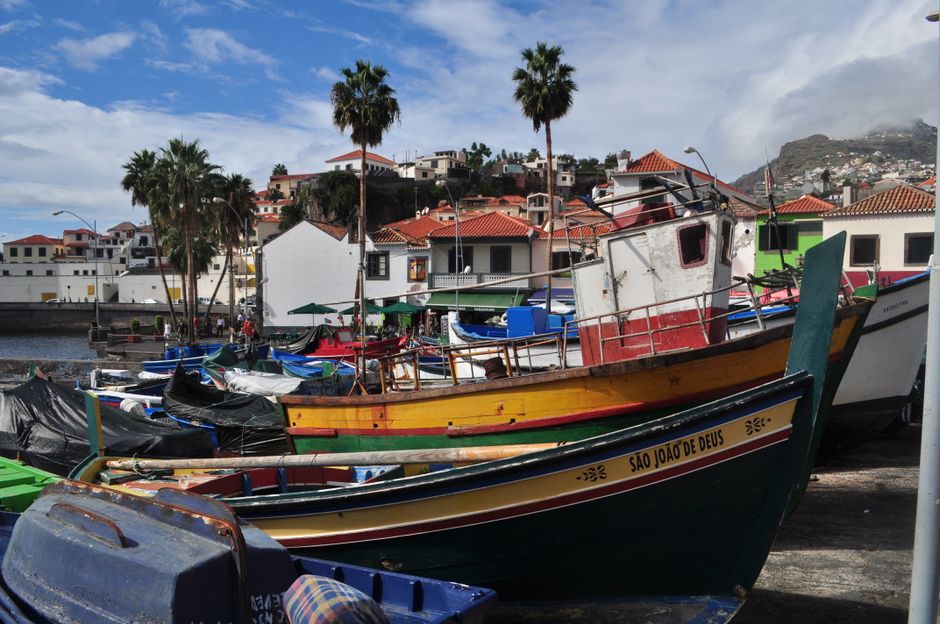
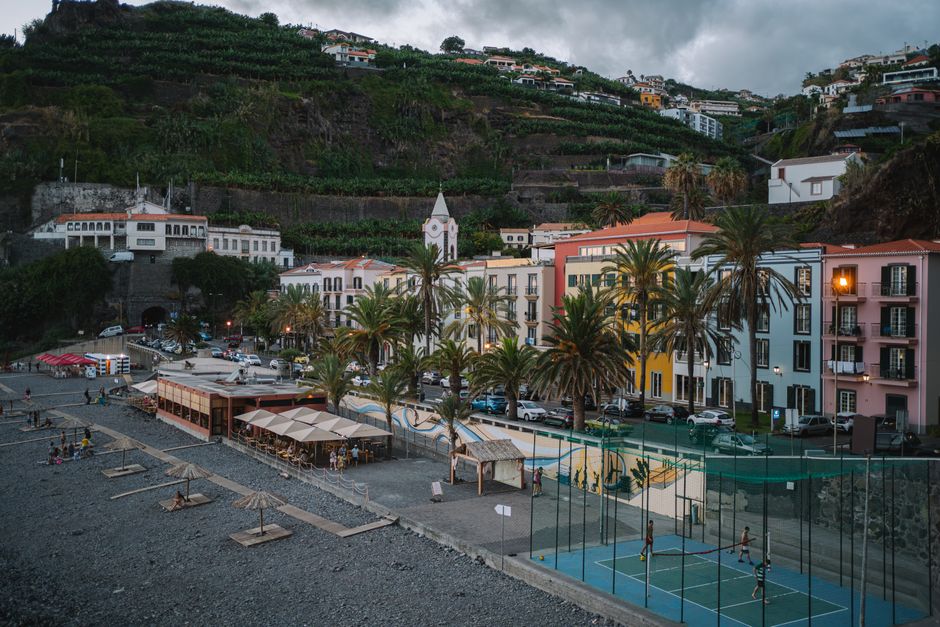
Ponta do Sol is a small coastal village on Madeira's southern coast, roughly 40 minutes west of Funchal by car. It's the sunniest municipality on the island. That matters in a place famous for dramatic microclimates. The village sits at the base of steep green cliffs, with a black volcanic beach, a converted railway tunnel turned pedestrian walkway, and a main square that empties by 10pm. The remote worker community here is tight and organized, largely through the Digital Nomads Madeira network, and international. Fiber internet reaches most accommodations. A month's stay typically costs €900–1,600 depending on your setup. Eating out runs €8–15 for lunch. The nearest supermarket is a 10-minute walk. Portugal's Digital Nomad Visa covers stays beyond the Schengen 90 days. It's quiet, beautiful, and good for heads-down work, which is why people who come for a month tend to rebook.
Key Stats at a Glance
| Stat | Details |
|---|---|
| Monthly cost of living | €1,100–1,800/month (solo nomad, coliving included) |
| Average internet speed | 100–500 Mbps fiber (most coliving spaces and apartments) |
| Timezone | WET (UTC+0) / WEST (UTC+1) summer, EU hours, workable for US East Coast mornings |
| Visa — EU citizens | Free movement, no visa needed |
| Visa — non-EU citizens | 90/180 days Schengen-free, or Portugal D8 Digital Nomad Visa |
| Language | Portuguese (English widely understood in the nomad ecosystem) |
| Safety | Very safe. One of Europe's lowest-crime destinations. |
| Best for | Slow nomads, hikers, anyone who needs their brain to actually work |
Cost of Living in Ponta do Sol, Madeira
Madeira is not Bali. It's also not Barcelona. For a Portuguese island with reliable fiber, clean infrastructure, and food worth eating, it's well-priced.
| Category | Budget | Mid-range | Comfortable |
|---|---|---|---|
| Coliving (all-inclusive) | — | €1,000–1,200 | €1,400–1,600 |
| Own rental (apartment) | €650 | €850 | €1,100 |
| Groceries | €150 | €250 | €350 |
| Eating out | €150 | €300 | €500 |
| Car hire | €0 (walk everything) | €300 | €500 |
| Coworking (if not included) | €0 (NOS Hub is free) | €80 | €150 |
| Entertainment / day trips | €50 | €150 | €300 |
| Total (own rental) | ~€1,050 | ~€1,850 | ~€2,900 |
A few things that affect this number. Rent a car. The bus to Funchal runs twice a day and the schedule matches nothing useful. Grocery shopping at Pingo Doce in Ribeira Brava cuts your food budget more than cooking in Funchal. And Madeiran restaurant portions are generous to the point of alarming. You will not leave a meal hungry. Factor that in.
Where to Work in Ponta do Sol, Madeira
Coworking spaces
NOS Innovation Hub is the anchor: a free coworking space in the village center, managed by the municipality as part of Madeira's sustained push to attract remote workers. Desks, meeting rooms, fast fiber internet, a terrace. It gets busy January through April (peak nomad season), so arrive early or check availability ahead of time. It works well, and the price is hard to argue with.
Most coliving accommodations in Ponta do Sol include dedicated work areas with fiber connections. Banana House, Casa Basilico's Madeira chapter, had a proper shared workspace that guests rated as one of the best parts of the stay.
Laptop-friendly cafés
The Old Pharmacy in the village center is the default nomad office: good espresso, decent WiFi, and staff who won't stare at you for staying four hours. Sol Poente has an ocean terrace that's more "staring at the Atlantic until your thoughts resolve" than deep-focus work, but it's the right call on a Tuesday afternoon when you need a reset.
Ten minutes east in Ribeira Brava there are more café options near the waterfront if the village feels small.
Internet situation
Fiber coverage in Ponta do Sol is solid. Most coliving spaces and apartments run at 100–300 Mbps. The NOS Hub is on fiber too. Mobile data (NOS, MEO, Vodafone) covers the village and coastal road on 4G. The mountain interior drops to 3G or worse, so if you're hiking the PR1 and someone books a call mid-ridge, schedule around it.
Best Areas to Stay in Ponta do Sol, Madeira
Village Center
The heart of everything. Walking distance to the beach, the coworking hub, the cafés, the supermarket, and every restaurant worth knowing. Most nomads base themselves here, and it makes sense.
Best for: Anyone who wants to park the car and walk everywhere.
Cliff-Side (Above the Village)
Apartments built into the hillside above town. Quieter, with views that make your desktop wallpaper look inadequate. Five minutes downhill to the center. Fifteen minutes back up after dinner and poncha.
Best for: People who find the village too busy in high season, or who want to wake up to that view every morning.
Ribeira Brava (10 min east)
A small town with a beach, a weekly market, and a proper supermarket. Less of a nomad bubble — you're living alongside locals. Prices sit slightly lower and the daily rhythm has more variety.
Best for: Longer stays where you want a bit more town without being in Funchal.
Calheta (15 min west)
The nearest place with a proper sand beach — Madeira imported golden sand and built a protected bay here. Slightly more resort-adjacent than Ponta do Sol. Good option if you're bringing a family or the black pebble situation is a dealbreaker.
Best for: Families, beach maximalists, or anyone who's googled "sand beach madeira" more than twice.
Visa & Logistics
EU citizens: Nothing to do. You're in Portugal, you're home, enjoy the poncha.
Non-EU citizens: Portugal's D8 Digital Nomad Visa was designed for exactly your situation. Requirements include proof of remote income (monthly minimum roughly €3,280 in 2025 terms — verify the current figure before applying), health insurance, a clean criminal record, and accommodation proof. Processing takes 2–4 months. It's a one-year renewable visa with a path toward residency. For shorter visits, the standard Schengen 90/180-day allowance applies.
Getting there: You fly into Funchal Airport (FNC). Ryanair, easyJet, TAP, and Transavia cover most major European cities. From the US, direct routes are limited. Lisbon is the standard connection.
Getting around: Rent a car. The western part of Madeira, including Ponta do Sol, is connected by the Via Expresso coastal expressway, which makes driving fast and easy. For airport transfers, Bolt operates reliably from Funchal for roughly €35–40 to Ponta do Sol. The nomad community coordinates informal car-shares for airport runs. Post in the Digital Nomads Madeira Slack when you're planning your arrival. Some residents use a private driver (ask around after you arrive; his name is Mr. Elso and the community will know him) who does fixed-rate transfers.
Things to Do in Ponta do Sol, Madeira
Madeira is a hiker's island. Do not come here planning to sit still.
Levadas are the signature Madeiran experience — ancient stone irrigation channels cut into the mountainside, with narrow walking paths alongside them. The Levada da Calheta and Levada do Moinho are both accessible from Ponta do Sol. The WalkMe app has GPS-tracked routes for most levadas, which matters when the trail appears to end at a wet rock face (it doesn't — there's a tunnel through the cliff).
PR1 — Vereda do Areeiro is the island's most famous hike: a high-altitude ridge walk from Pico do Areeiro (1,818m) to Pico Ruivo (1,862m), Madeira's highest peak. It's 13km, requires a head for heights in places, and delivers views that make you quietly question your decision to work indoors for the previous several years. Go early — clouds roll in by midday and the car park fills fast.
Cabo Girão is the highest sea cliff in Europe. There's a glass-floored viewing platform. Frightening. Go.
Ponta do Sol beach is black volcanic pebbles. Not for everyone. If you need sand, Calheta (15 minutes west) has an imported golden beach with a calm sheltered bay. The north coast is wilder — Porto Moniz has natural lava rock pools cut into the coastline that look like something from another planet.
Digital Nomads Madeira runs weekly socials, coworking events, and organized weekend trips around the island. It's the fastest way to meet people in your first 72 hours. Check the Slack workspace when you arrive.
Casa Basilico ran its Banana House chapter right here in this village. If you want to experience Ponta do Sol with a built-in community of remote workers, see what's coming next.
What to Eat in Ponta do Sol, Madeira
This is the section Casa Basilico was put on earth to write. Pay close attention.
Madeiran food is Portuguese at its foundations — olive oil, fresh bread, fish, wine — but the island's isolation developed dishes you won't find cleanly replicated anywhere else. The black scabbard fish. The bolo do caco. The espetada. If you leave without eating all three, something went wrong.
Espetada is the thing you must order. Beef cut into generous chunks, threaded onto a fresh bay laurel stick, seasoned with sea salt and garlic, cooked over hot charcoal until the outside chars and the inside stays tender. It arrives at your table hanging vertically from a hook above the plate, fat dripping, smoke still rising, looking like the most honest meal you've been near in months. Santo António, on the road above Ponta do Sol, does a version that will ruin espetada elsewhere. The milho frito (fried cornmeal cubes, crispy outside, soft inside) comes as a side. You will order seconds.
Bolo do caco is flatbread made with sweet potato, baked on a hearthstone, served warm with enough garlic butter to become a problem. It's everywhere on the island. It should be on your table at every meal before you've ordered anything else. Think of it as Madeira's answer to focaccia, except the argument about which is better will last the whole trip.
Lapas are limpets — small shellfish grilled on a cast-iron plate with butter, garlic, and lemon, arriving at the table still sizzling. They taste like the ocean if the ocean were made of butter. You eat them with a toothpick. You order seconds before you've finished the first round. This is not optional.
Picado is what attentive kitchens do with beef: cubed and sautéed with garlic, bay leaf, white wine, and a little chili until it's collapsing into something that smells extraordinary. Simple ingredients, serious result. Taberna do Petisco in Ponta do Sol makes a version that justifies eating dinner here instead of driving to Funchal.
Black scabbard fish (peixe espada preto) lives in deep water, looks alarming, and tastes remarkable. Typically pan-fried and served with banana and passion fruit sauce, which sounds confused until you eat it and realize it makes more sense than most things. Order it at least once and report back.
Poncha is the local spirit — sugarcane aguardente blended with honey and lemon juice, mixed in a terracotta cup. It tastes like lemonade. It is not lemonade. It's served in the village with very little fanfare and a complete absence of warning about its strength. You've been told.
For day-to-day meals: The Old Pharmacy handles mornings and lunch. Sol Poente does solid local food with the Atlantic in the background. For Funchal evenings: Osaka Sushi is worth the drive (yes, Madeira has a sushi situation and it's decent). TERRA in Funchal is the island's best vegan restaurant — not a consolation prize, an actual destination with a real kitchen.
Madeira wine is a fortified wine aged in heat, entirely distinct from the table wine. Order the dry styles (Sercial, Verdelho) alongside the lapas. Order the sweeter styles (Bual, Malmsey) with dessert or as a digestivo. The table wine is also good, just a different conversation.
Weather & Best Time to Visit
Ponta do Sol earned its name. The municipality gets more sun than anywhere else in Madeira, thanks to cliff formations that block northern cloud systems while the south coast catches direct Atlantic light.
Year-round temperatures run from 18°C in January to 27°C in August. Rain concentrates November through February. The levadas can be muddy and slippery in winter — not impassable, just wet boots territory.
Best for hiking: March–May and September–November. Trails are dry, the island is vivid green, and tourist crowds are manageable.
Best for beach and warmth: June–September. Warm and dry enough to actually use the beach, livelier atmosphere in the village.
Peak nomad season: January–April (northern Europe winter refugees) and September–October (post-summer shoulder). If you're coming during these windows, book accommodation early. The good places go fast.
Safety in Ponta do Sol, Madeira
Madeira has one of the lowest crime rates in Europe. Ponta do Sol is a small community where people know each other. Petty theft is rare.
The main safety consideration is driving. The coastal roads are well-maintained. The mountain interior involves hairpin turns and significant drops, sometimes with barriers that are more decorative than structural. Drive carefully in the dark and in rain. This is the one thing to take seriously here.
The Honest Downsides
It's small. Once you've walked every street, eaten at every restaurant, and met most of the nomads, there isn't much new stimulus. Some people love this. Others feel it around week six.
Car dependency. Without wheels, you're limited to what's walkable. That covers daily life fine — but Funchal for a hospital, a proper supermarket run, or a bigger night out requires organizing transport.
The bus to Funchal runs twice a day and aligns with nothing useful. Don't treat it as a commute option.
High season fills up. January through April is peak nomad season. The NOS Hub gets busy. Good accommodation books months in advance. If you're planning to come in this window, plan early.
Mobile signal in the mountains is unreliable. If continuous connectivity is non-negotiable, schedule calls around hikes rather than during them.
Is Ponta do Sol, Madeira Right for You?
Yes, if:
- You want a month somewhere beautiful where the internet works
- You like hiking, eating well, and talking to strangers about both
- You want a real nomad community without the manufactured feel of a coworking resort
- You're happy working from a quiet base with serious nature on your doorstep
- Your work schedule runs on European hours, or you're flexible with US East Coast mornings
Probably not, if:
- You need a real city — nightlife density, concerts, constant new stimulation
- You can't or won't rent a car
- You find small-town rhythms claustrophobic after a few weeks
Ponta do Sol, Madeira vs. Other Nomad Hubs
| Ponta do Sol | Funchal | Las Palmas | Tbilisi | Chiang Mai | |
|---|---|---|---|---|---|
| Monthly cost | €1,100–1,600 | €1,400–2,000 | €1,200–1,800 | €700–1,100 | €700–1,200 |
| Internet | Excellent | Excellent | Good | Good | Good |
| Nomad community | Strong, tight-knit | Large, dispersed | Strong | Growing | Large, established |
| Nature access | Exceptional | Good | Good | Good | Good |
| Nightlife | Minimal | Good | Good | Good | Good |
| Food scene | Distinctive local | Strong | Good | Excellent | Excellent |
| Village vs. city | Village | Small city | City | City | City |
| Visa (non-EU) | D8 / Schengen | D8 / Schengen | Schengen | Visa-free / e-Visa | 60-day tourist |
| Best for | Slow nomads, hikers | Balance seekers | City + beach | Budget-focused | Long-haul Asia base |
If you want the same island with more city infrastructure, Funchal is 40 minutes away. If you want Atlantic island energy with urban density, Las Palmas delivers. If budget is the priority, Tbilisi gives excellent value with a great food scene. If you're heading east, Chiang Mai is the classic long-term Asia base.
Frequently Asked Questions
Is Ponta do Sol worth it for digital nomads?
Yes — if you want a focused base with real infrastructure, a tight nomad community, and nature within walking distance. It's deliberately quiet. That's exactly what makes it work for the people who choose it.
How do I get from Funchal Airport to Ponta do Sol?
The most reliable option is Bolt — roughly €35–40, about 40 minutes. Nomads frequently coordinate airport pickups through the Digital Nomads Madeira Slack group. Car hire at the airport makes sense if you're staying more than two weeks, since you'll need one for getting around anyway.
Is there free coworking in Ponta do Sol?
Yes. The NOS Innovation Hub in the village center offers free hot-desking with fiber internet, meeting rooms, and a terrace. It fills up in peak season (January–April), so arriving early helps. Most coliving spaces also include dedicated work areas with their own connection.
Do I need to speak Portuguese in Ponta do Sol?
No. English is widely understood among service workers, restaurant staff, and everyone in the nomad ecosystem. Learning basic phrases — bom dia, obrigado/obrigada, faz favor — is appreciated and takes about twenty minutes.
What's the Portugal Digital Nomad Visa and who needs it?
The D8 visa is for non-EU citizens who want to stay in Portugal beyond the standard 90-day Schengen window. It requires proof of remote income (roughly €3,280/month minimum in 2025 terms — verify current requirements before applying), health insurance, accommodation proof, and a clean criminal record. It's a one-year renewable visa with a path toward residency eligibility. EU citizens don't need it.
Is Ponta do Sol safe for solo travelers?
Very. Madeira has extremely low crime rates and Ponta do Sol is a small village where most people know each other. Solo female travelers consistently rate it as one of the more comfortable places they've spent time in Europe. The main thing to watch is mountain driving, not other people.
What's the nomad community like day-to-day?
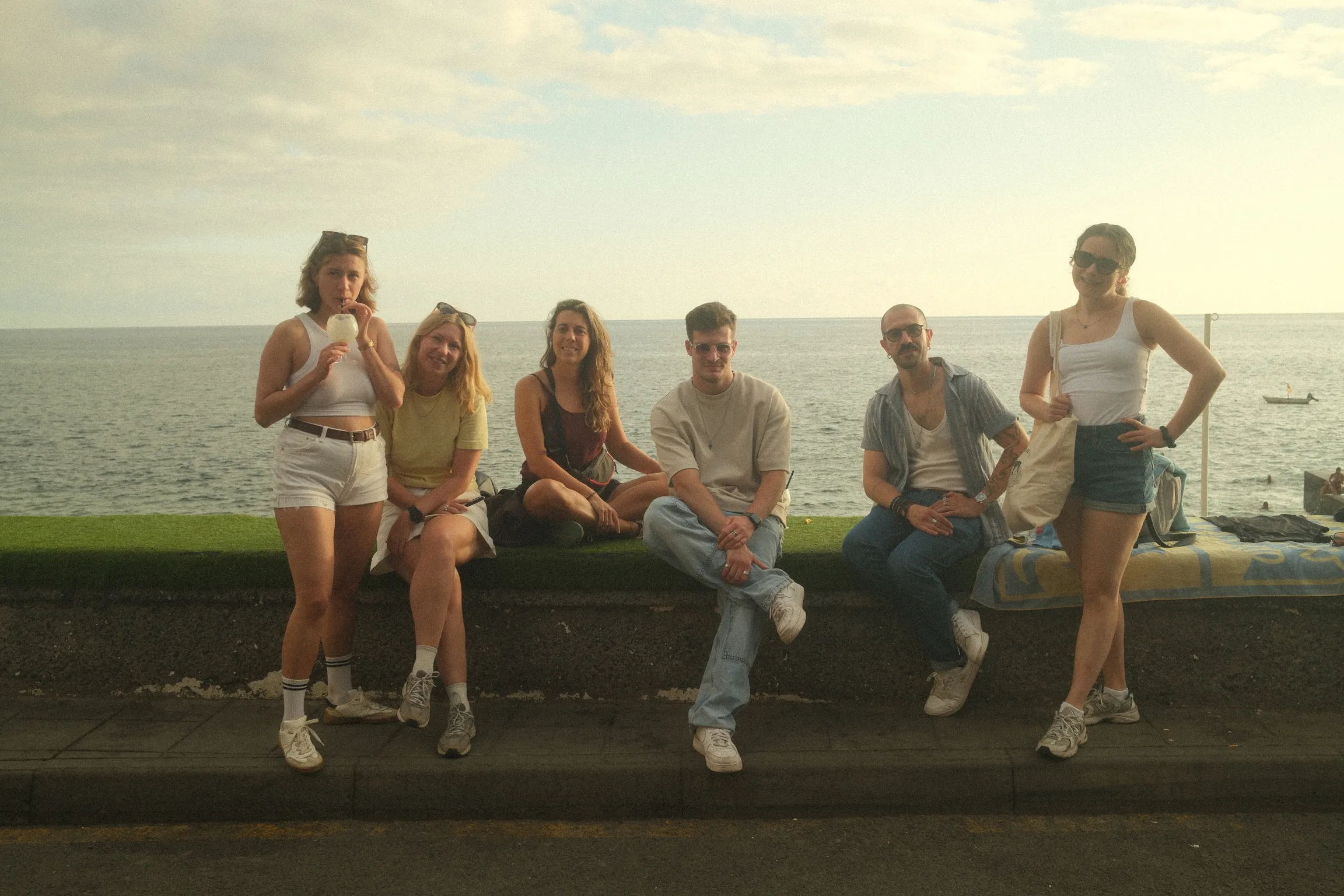
International, organized, and sticky, meaning people tend to stay for a month or more rather than passing through, so you build real relationships rather than just collecting a rotating set of faces. The Digital Nomads Madeira network runs regular events and weekend trips. Coliving setups like Casa Basilico's Banana House chapter accelerate connections in the first few days.
Related Destinations
- Funchal, Madeira — the island's capital, 40 minutes east, more city infrastructure
- Las Palmas, Gran Canaria — Atlantic island energy with a proper city
- Porto, Portugal — mainland Portugal, cheaper and quieter than Lisbon
- Tarifa, Spain — surf and wind at the southern tip of Europe
- Pipa, Brazil — Casa Basilico's Brazil chapter