Coliving in Budapest, Hungary for Digital Nomads
What is it like to live in Budapest, Hungary as a digital nomad?
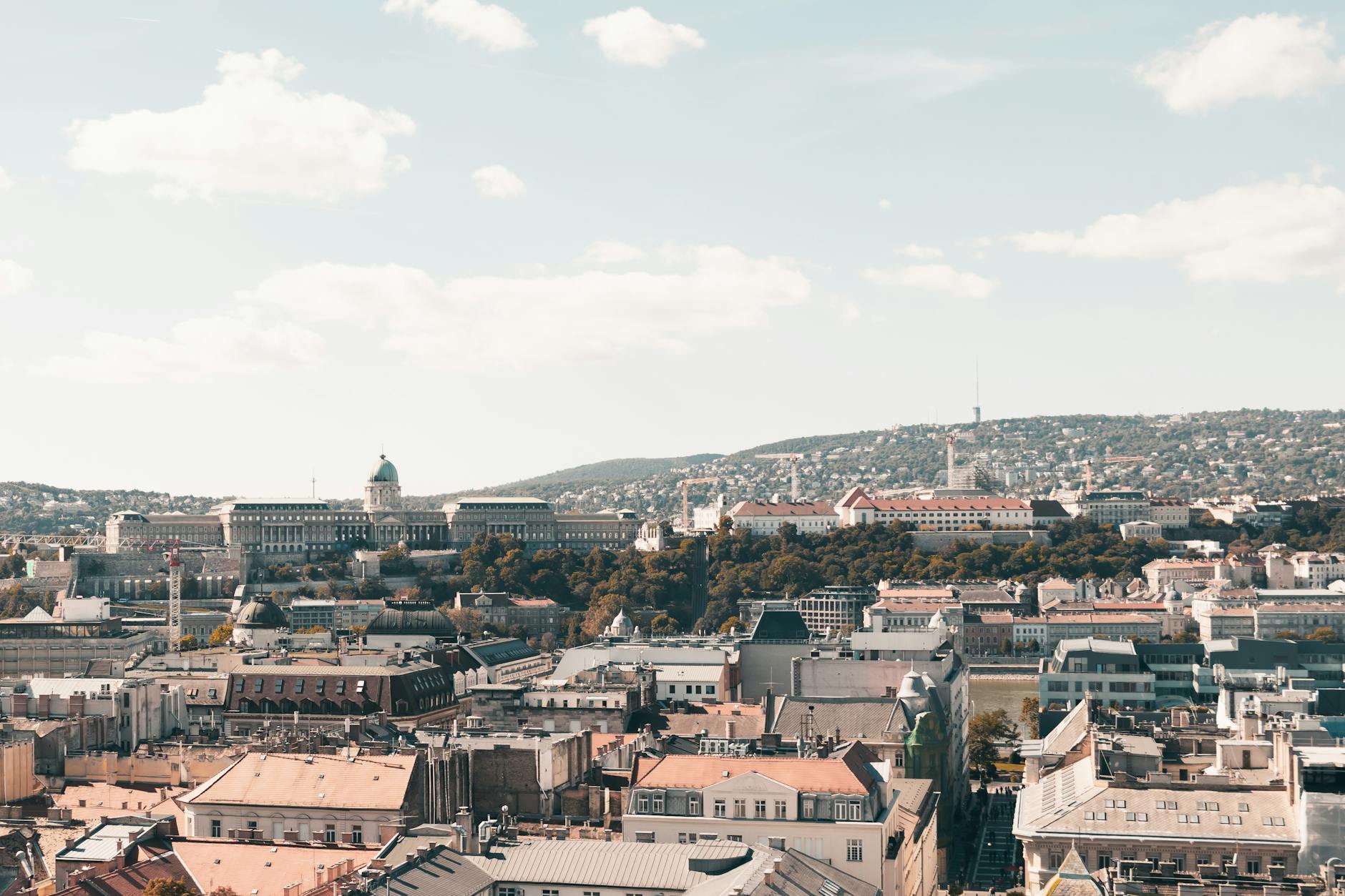
Budapest was Central Europe's best-kept secret for remote workers. It's not a secret anymore. The Hungarian capital straddles the Danube, dividing hilly Buda from flat, buzzing Pest, and it's this contrast that makes the city tick. Costs sit well below Western European levels. Budget $1,100–$1,500/month for a comfortable life with accommodation, a coworking desk, and eating extremely well. Internet is fast and reliable (50–100 Mbps across most coworking spaces and cafés). The timezone is CET/CEST (UTC+1/+2), ideal for European clients and a workable overlap with US East Coast hours. The nomad scene is real and concentrated around the VII district. Ruin bars, indie coffee shops, and a community of freelancers who've figured out that Budapest gives you Prague prices with better food. Stay long enough and you'll find your coffee shop, your market vendor, and the ruin bar where you can actually have a conversation.
Key Stats at a Glance
Best Neighborhoods for Remote Workers
District VII: The Jewish Quarter / Erzsébetváros
This is the nomad heartbeat of Budapest. District VII is where the ruin bars are, the coffee shops are best, the street art is everywhere, and the apartments are plentiful. It's walkable, central, and full of cafés that won't kick you out after two hours. The energy is distinctly bohemian. You'll share a coworking table with a graphic designer from Berlin and a startup founder from Warsaw and everyone will be absolutely fine with that. It gets loud on weekends, but that's the trade-off for being at the center of everything.
District XIII: Angyalföld
Up-and-coming, more residential, cheaper. District XIII has been attracting local freelancers and the quieter kind of nomad who wants a proper apartment, not a party hostel next door. The tram lines connect you to everything in under 20 minutes. If you're staying a month or more and want to actually feel like you live in Budapest rather than visit it, this is your neighborhood.
Buda: Districts I, II, and XI
The hilly side of the river is calmer, greener, and removed from the tourist circus. If you value peace, morning views over the Danube, and the ability to go hiking on a Tuesday afternoon, Buda is for you. You'll commute to the action via tram or metro, which is easy and cheap (a monthly pass costs around $35). Districts I and XI are particularly good for longer stays.
District V: Belváros / Inner City
Central, expensive by Budapest standards (which still means affordable), and convenient. The Great Market Hall is a 10-minute walk. If you care about zero commute to restaurants, markets, and museums, District V delivers. It can feel touristy near the main boulevards, but get off them and it calms down fast.
Coworking Spaces in Budapest, Hungary
Impact Hub Budapest: The go-to for community-minded nomads. Regular events, a proper network of founders and freelancers, multiple membership tiers. Located in District VII, right in the middle of the action. It's the place where you actually meet people, not just work next to them.
Kaptár: Cozy, warm, popular with local creatives and startups. Has the feel of a neighborhood café with serious desk infrastructure underneath. Good vibes, reliable Wi-Fi, decent coffee, two locations. The kind of space you come in for a morning and stay till closing without noticing.
Loffice: Design-forward and polished, ideal if you're on client calls all day and need a space that looks professional in the background. Higher end of the Budapest price scale but still cheaper than equivalent spaces in Vienna or Amsterdam. They mean business and so do the people who work there.
Honorable mention: Budapest is a legitimate work-from-café city. Espresso Embassy and My Little Melbourne in the center are worth bookmarking for the days you need a change of scene.
What to Eat in Budapest, Hungary
Hungarian food is misunderstood. People picture goulash, write it off as heavy Central European stodge, and move on. They're wrong. Done well, Hungarian cuisine is one of the most paprika-forward, soulful food cultures in Europe.
Goulash (gulyás): Not the gloppy tourist version. The real thing is a clear-ish beef soup with vegetables, paprika, and enough depth to make you sit with it for a while. Order it somewhere local, eat it with fresh bread, then sit a bit longer.
Lángos: Fried dough topped with sour cream and grated cheese. A Budapest street food staple and one of the best things you can eat for under two euros. Get it at the Great Market Hall, eat it while it's still hot, burn the roof of your mouth, regret nothing.
Pörkölt: The meatier, thicker cousin of goulash. A proper stew with pork or beef, served with egg dumplings (nokedli) or a dollop of sour cream. This is Sunday lunch in Hungary. Order it mid-week and pretend you have somewhere to be afterwards.
Töltött káposzta: Stuffed cabbage rolls slow-cooked in sauerkraut with pork and rice. The kind of dish that has been made by grandmothers for centuries and gets better every hour it sits on the stove. Some restaurants serve the version that's been going since morning. Go to those restaurants.
Kolbász and cured meats: Don't leave without eating proper Hungarian sausage. The spicy házi kolbász from a good butcher or market vendor is the kind of thing you'll reference when talking about Budapest for years. The Szimpla Farmers Market on Sunday mornings is the right place to find it, from the producers who actually made it.
Tokaji Aszú: If you drink wine at all, try Hungary's famous sweet wine from the Tokaj region. It's one of the world's great dessert wines and here it costs almost nothing. Get a glass with some aged cheese. Do not argue with this advice.
Pálinka: Fruit brandy. The national spirit. It arrives in small glasses before or after meals and you're expected to shoot it. It will set your chest on fire in the best possible way. Plum and apricot are the classics to start with.
For markets: Nagy Vásárcsarnok (the Great Market Hall) is touristy but worth one visit. The ground floor has proper vendors selling paprika, salami, and pickles that'll go straight into your bag. For the real deal, Szimpla Farmers Market on Sunday mornings is where local producers sell directly and you can eat breakfast standing up with strangers, which is exactly the right way to do it.
For restaurants, look toward Districts VIII and IX where the tourist pressure drops off and the cooking improves accordingly.
FAQ
Is Budapest still worth it for digital nomads in 2026?
Yes, without question. Budapest has been a nomad hub for over a decade and hasn't lost its edge. Costs are rising slowly but remain well below Western Europe. The community is there, the infrastructure is solid, and the quality of life is excellent: food, thermal baths, culture, nightlife, day trips to the countryside. It's one of the few cities where you can still live well for under $1,500/month in Europe.
How is the internet quality in Budapest?
Solid. Budapest has strong broadband infrastructure and most coworking spaces and cafés reliably hit 50+ Mbps. Mobile data coverage (4G/5G) is excellent throughout the city. You won't have connectivity anxiety here.
Is Budapest safe for solo travelers, including women?
Generally yes. Budapest is safe by European standards. Standard urban precautions apply: watch for pickpockets in crowded tourist areas, and be sensible late at night around the party district. District VII on weekends can get chaotic, but chaotic in a mostly harmless way. Solo female travelers navigate it just fine and the nomad community here is welcoming.
What's the best time of year to visit Budapest as a nomad?
Spring (April–May) and autumn (September–October) are the sweet spot: mild weather, manageable tourist crowds, the city at its most beautiful. Summer gets hot and busy. Winter is cold but atmospheric, and the Christmas markets in December are legitimately good. For nomads, shoulder season means better apartment prices too.
Do I need to speak Hungarian?
No. English is widely spoken in coworking spaces, restaurants, and most services in the city center. Outside the tourist belt, less so, but you'll get by, and Hungarians are warmer than the reputation suggests once you make any effort at all. Learning "köszönöm" (thank you) will get you further than you expect.
Related destinations: