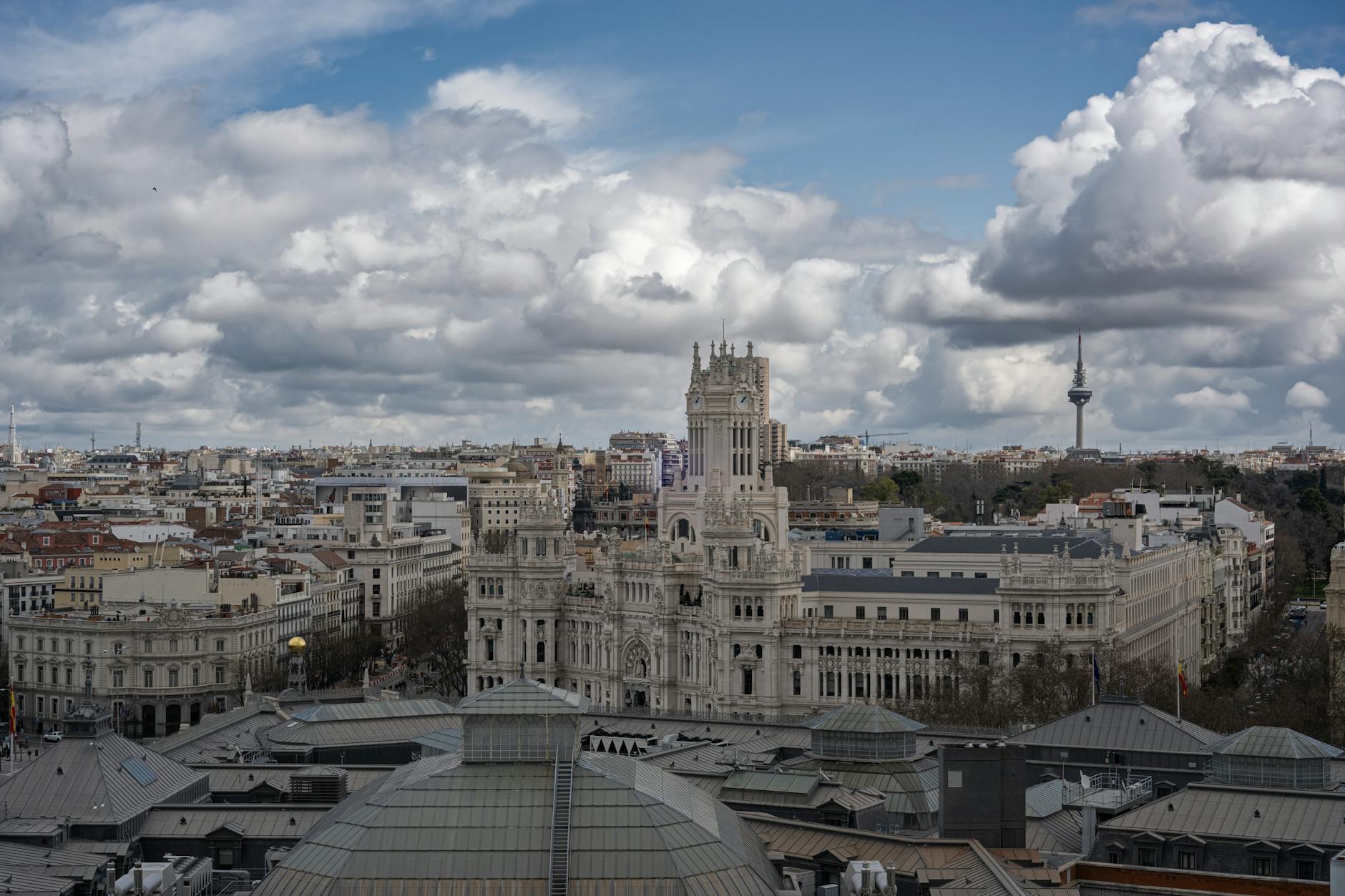
Coliving in Madrid, Spain for Digital Nomads
What's it actually like to live in Madrid as a digital nomad?
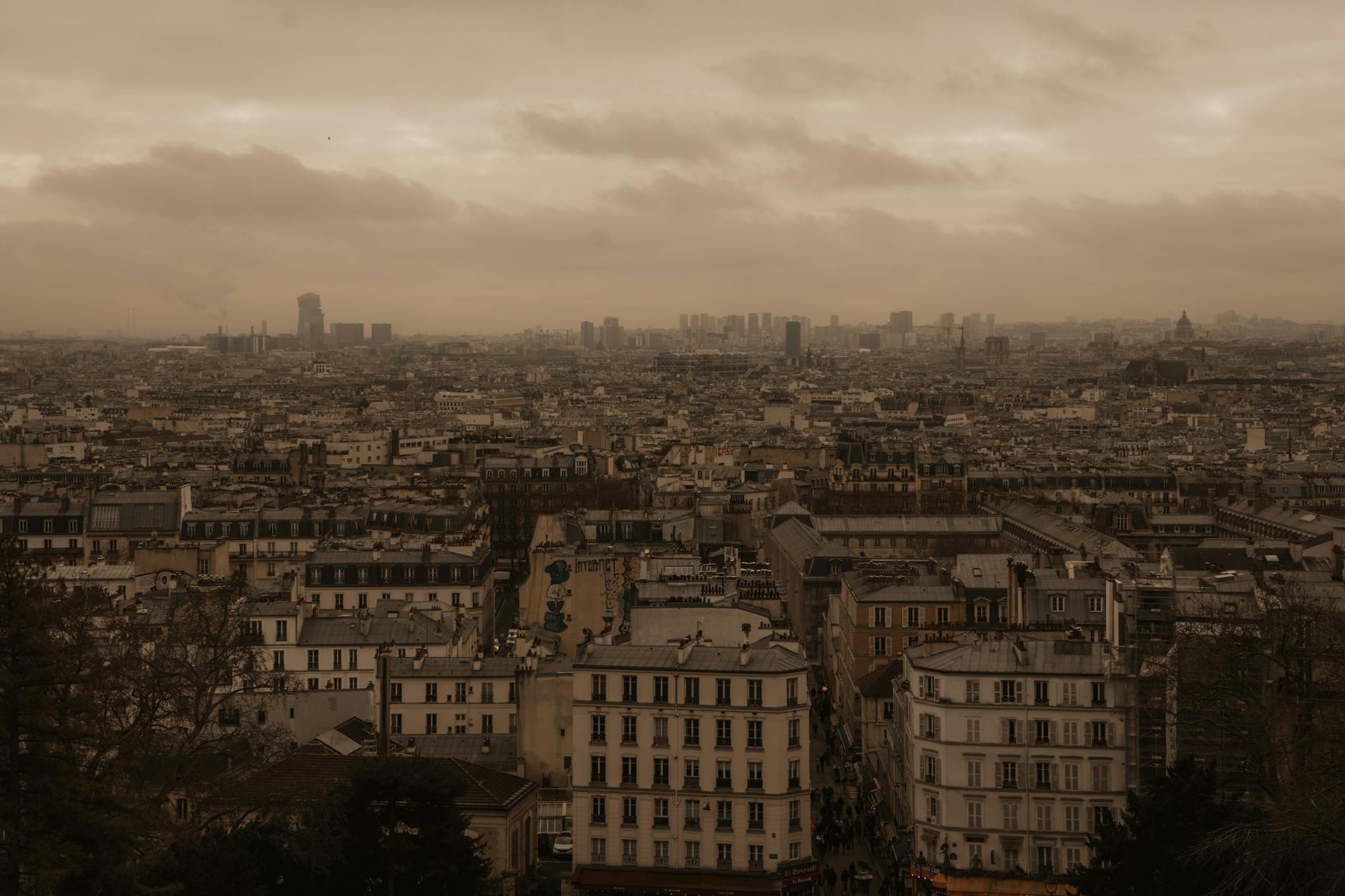
Madrid works for remote workers in a way that makes you wonder why you ever lived anywhere else. The internet is fast (fiber everywhere), the coworking scene is solid, and the city is big enough to always have something to do but compact enough that you'll know your neighborhood within a week. The real thing nobody warns you about is the schedule. Lunch is at 2pm. Dinner is at 9:30pm. If you fight it, you'll be eating alone at 6pm in a restaurant full of tourists. If you embrace it, your calendar restructures itself around long lunches, afternoon productivity, and dinners that turn into conversations that turn into the best night you've had in months. The climate is relentless summer from May through September and pleasantly cold in winter. It's loud, it's alive. The food, oh the food, will rearrange your priorities in life.
Key Stats
Cost data sourced from Numbeo, 2025.
Best Neighborhoods for Remote Workers
Malasaña
This is where you end up if someone drops you in Madrid with no plan and a good nose. Malasaña is the creative, slightly scrappy neighborhood full of vintage shops, independent cafés, and people who work on laptops until 2am. Internet in every café is a given. It's walkable, unpretentious. The streets feel like a city with actual people in it, not just tourists passing through. Flat prices are reasonable for Madrid. You'll find your coffee spot in two days and your people in four.
Lavapiés
The most multicultural corner of Madrid, and honestly one of the most interesting urban neighborhoods in Spain. Cheap, chaotic in the best way, full of independent restaurants from every corner of the world, and still close to everything. It attracts artists, activists, students, and long-term expats who came for three months and forgot to leave. Not the quietest for deep work, but if you work mornings in a café and use afternoons for exploring, it makes total sense.
Chamberí
If Malasaña is where you go out and Lavapiés is where you stay for years, Chamberí is where you actually live like a local. Residential, calm, genuine. Lots of neighborhood bars where the tortilla has been made the same way since 1978. Good transport connections, solid coworking options nearby, and a quieter pace that's productive. Great choice if you're staying more than a month and want to feel rooted.
Chueca
The LGBTQ+ heart of Madrid and one of the city's most vibrant neighborhoods, Chueca has fantastic café-bar culture and is well connected. Lively enough to keep you energized, polished enough to have fast Wi-Fi everywhere. If you like being in the middle of things and want good nightlife within walking distance after your work day is done, Chueca delivers.
Coworking Spaces in Madrid, Spain
Utopicus: multiple locations across Madrid, including Gran Vía and Azca. Properly kitted out, beautiful spaces, and a community that feels curated rather than random. Day passes and monthly memberships available. If you want a coworking that doubles as a professional backdrop for calls, this is it.
Impact Hub Madrid: community-focused and popular with founders, freelancers, and people who actually want to connect with whoever's sitting next to them. Located in the Medialab-Prado area. More personality than a generic coworking chain.
Betahaus Madrid: the Berlin-born coworking that landed in Madrid and fits well. Solid infrastructure, flexible plans, and the kind of low-key atmosphere where nobody judges you for taking a lunch break that lasts two hours. Because it should.
What to Eat in Madrid, Spain
This is the section that matters. Forget the neighborhoods. Forget the coworking spaces. If you're not eating well in Madrid, you are doing it wrong, and we are personally offended on your behalf.
Start with the bocadillo de calamares. It sounds too simple: a crusty baguette, fried squid rings, maybe a squeeze of lemon. You will eat one, walk half a block, and immediately want another. Get it at Bar La Campana near Plaza Mayor, one of the oldest squatters of this very specific throne. This is Madrid's unofficial sandwich and it asks nothing of you except total commitment.
Then find a proper cocido madrileño. This is a slow chickpea stew served in three courses: first the broth, then the chickpeas and vegetables, then the meat. It's the kind of food that makes you want to cancel your afternoon calls and take a nap on a wooden chair like someone's Spanish grandfather. La Bola Taberna has been making it since 1870. That's not a typo.
Tortilla española is everywhere, but it's not all the same. The best ones are creamy in the middle, barely set, and made with obscene amounts of olive oil. Casa Dani in the Mercado de la Paz does one of the most talked-about versions in the city. Go early, it sells out.
Vermouth on Sunday is not optional. Vermut culture in Madrid is its own religion. From noon onwards on Sundays, the whole city seems to be standing at a bar counter with a glass of vermút, a plate of olives, and nowhere better to be. Bodega de la Ardosa in Malasaña is a legendary stop. Join the queue. It moves fast and the reward is worth it.
For markets: Mercado de San Miguel near Plaza Mayor is touristy but still worth a lap. The quality is genuine even if the prices reflect the postcode. Mercado de San Antón in Chueca is more neighborhood-feeling, with a rooftop terrace bar that makes an excellent excuse to eat jamón while pretending you're doing research. Mercado de San Fernando in Lavapiés is the least glamorous and the most honest: cheap, local, brilliant.
Other things you will eat and think about later: patatas bravas with proper aioli (not the orange sauce impostors), croquetas de jamón that are so good they feel illegal, huevos rotos con jamón on a late breakfast that becomes lunch because you lost track of time, and churros con chocolate at Chocolatería San Ginés at some hour when you probably should have been asleep.
Madrid feeds you properly. Leave room.
Frequently Asked Questions
Do I need a car in Madrid?
No. The metro is excellent, affordable (€1.50-2.00 per journey), and goes everywhere you actually want to go. Bikes and e-scooters are everywhere. Walking between neighborhoods is pleasant if the weather cooperates, which in summer it does not. Get a transport card for the metro if you're staying more than two weeks.
Is Madrid expensive compared to other Spanish cities?
Yes, relative to Malaga or Valencia. No, relative to London, Paris, or Amsterdam. A coliving room will run you €600-900/month depending on the area and setup. Food and drink are cheap if you eat where locals eat. A menú del día (three-course lunch with wine) costs €10-14 at most neighborhood restaurants. That alone justifies the city.
What's the Wi-Fi situation actually like?
Spain has some of the best fiber internet infrastructure in Europe, and Madrid benefits fully from it. Most cafés have fast, reliable connections. Coworkings are consistently strong. The only place you might struggle is if you book a very old apartment with a landlord who hasn't updated their router since 2009. Check before you commit.
When is the best time to visit as a digital nomad?
Spring (March-May) and autumn (September-November) are the sweet spots. The weather is perfect, the city is alive, and you're not melting at 40°C. Summer in Madrid is brutal heat-wise, but the city empties in August. Locals leave, prices drop, and you can get a table anywhere. If you can handle the heat, August is a great time to be productive in an air-conditioned coworking.
Is the nightlife going to destroy my sleep schedule?
Possibly. Madrid nights start late and end later. The culture is built around this and it is completely normal to have dinner at 10pm and still be at a bar at 2am on a Tuesday. You'll adapt one way or another. Either you lean into it and restructure your work hours (mornings 8-12, siesta, then deep work in the evening), or you make peace with FOMO and sleep at midnight like a normal person. Both are valid.
Related Destinations
You liked what you read? Here are some other places worth your time: