Coliving in Malaga, Spain for Digital Nomads
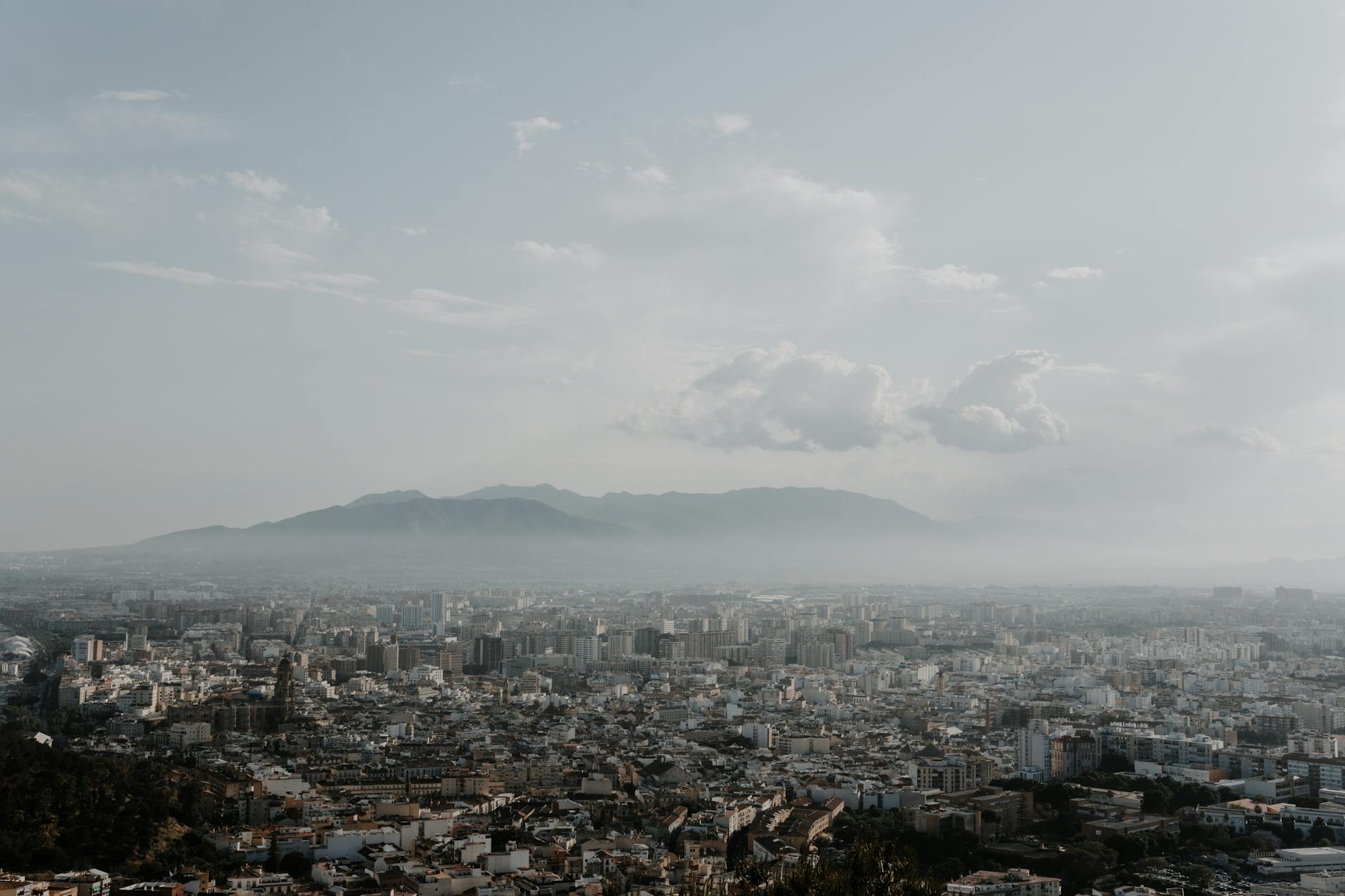
Málaga gets unfairly ignored. Most people fly through its airport on the way to Marbella or Torremolinos and never stop. Their loss, your gain. This is a real Andalusian city with a functioning tech scene (Google opened an office here, Vodafone moved a team here), 300+ sunny days a year, and food that will ruin every other beach town for you. The cost of living is lower than Madrid or Barcelona, the old town is walkable and beautiful, and the locals actually live their lives here rather than performing for tourists. You can get a decent coffee, find a coworking desk, be on the beach by 2pm, and eat sardines off a fire by sunset. Remote work life in Málaga is good. It just doesn't brag about itself.
Key Stats
Cost data sourced from Numbeo, 2025.
Best Neighborhoods for Remote Workers
El Soho is where you want to be. The arts district sits just west of the historic center, with graffiti murals on every block, independent cafés that don't play trap music at 9am, and a growing density of creative freelancers and remote workers who have quietly made this their base. It's walkable, unpretentious, and still affordable compared to what you'd pay for the same vibe in Barcelona.
El Centro (Historic Center) is slightly more touristy but has the best café density per square meter in the city. You're minutes from the Atarazanas market, Picasso's birthplace, and enough tapas bars to keep lunch interesting for months. Noisy on weekends, but weekday mornings are golden.
Pedregalejo / El Palo are the beach neighborhoods east of the center. Quieter, residential, with a string of chiringuitos right on the sand. If you value the ability to close your laptop and be in the sea within five minutes, this is your neighborhood. The commute to the center takes maybe 15-20 minutes by bus. Worth it.
Lagunillas is the up-and-coming local barrio just north of Soho — rougher edges, cheaper rents, and an authenticity the center is slowly losing. Early adopter territory.
Coworking Spaces in Malaga, Spain
Selina Málaga sits in the center and is the easiest entry point if you want a day pass without commitment. Good WiFi, decent coffee, international crowd, rooftop access. The social option, especially if you've just arrived and want to meet people on day one.
Lemon Rock is more of a coliving-coworking hybrid that has built a solid community of long-term remote workers. If you're staying a month or more and want to meet people who are also staying a month or more, this is the move. Less transient than Selina, more community-driven.
Málaga Tech Park (PTA) is out of the city proper but worth knowing about — it's where a lot of the local tech companies operate, and several coworking spaces run out of the park. Better if you have client meetings in the corporate world; overkill if you just need a desk and reliable internet.
What to Eat in Malaga, Spain
Málaga has one dish that exists nowhere else on earth, and you will think about it for years after you leave: espetos de sardinas. Fresh sardines threaded onto cane skewers, cooked over a wood fire inside a half-boat on the beach. That's it. That's the entire preparation. The result is perfect — smoky, salty, impossible to replicate anywhere that isn't 30 meters from the Mediterranean. You eat them with your hands while watching the sea. Order a tinto de verano alongside and understand immediately why people choose to live here.
But Málaga is more than espetos, and the city will make sure you know it:
Ajoblanco is Málaga's secret weapon — a cold white soup made from almonds, garlic, and olive oil, usually topped with grapes or melon. It's the lesser-known cousin of gazpacho and, frankly, better. Order it everywhere you see it on the menu. You'll be annoyed nobody told you about it sooner.
Berenjenas con miel de caña — fried eggplant drizzled with Málaga's local cane honey. Sweet, salty, crispy, dangerously easy to keep ordering. This is the tapa you'll get three more rounds of before admitting defeat.
Pescaíto frito is the Andalusian tradition of battering and frying whatever arrived from the sea that morning — anchovies, squid, small fish, all of it. Get it from a freiduria (a proper fry shop) rather than a tourist restaurant, eat it out of a paper cone while walking. It costs almost nothing and tastes like a good decision.
Mercado Central de Atarazanas is the 19th-century covered market with a stunning Moorish archway at the entrance that could stop you mid-stride. Go in the morning when it's alive — vendors selling jamón, fresh fish straight off the boat, olives by the kilo, and Moscatel wine poured straight from barrels. Have breakfast at one of the market bars and watch the city come to life.
For a sit-down institution: El Pimpi is a Málaga classic in a former convent, walls covered in wine barrels signed by famous visitors, serving traditional Malagueño food and their house Moscatel since 1971. A bit touristy? Sure. Worth it anyway? Yes.
And the wine: Málaga produces its own Moscatel and Pedro Ximénez, sweet wines that taste like raisins and sunshine. Drink them local. Take some home.
Frequently Asked Questions
Is Málaga good for digital nomads long-term?
Yes. The tech scene is growing. Google, Vodafone, and Accenture all have operations here, and there's an active international remote worker community that's been building quietly for years. It's not as nomad-famous as Lisbon or Barcelona, which means it hasn't been priced out yet. Get in while it's still reasonable.
How does Málaga compare to other Spanish cities for cost?
Cheaper than Madrid and Barcelona, comparable to Valencia, slightly more expensive than smaller cities like Alicante or Cádiz. A coliving room including bills runs around €600–900/month; add €400–600 for food and you're living comfortably. Not cheaply, but well.
Is the internet reliable in Málaga?
Yes. Fiber is widely available and the city's tech scene means the infrastructure is better than you'd expect from a beach town. Most coworkings run symmetric 300+ Mbps. Café WiFi is hit-or-miss as everywhere in the world, but you won't struggle to find a fast connection.
What's the best time of year to be there?
April–June and September–October are the sweet spot, warm enough for the beach but not so hot you can't think straight after lunch. July and August are crowded and scorching (35°C+). Winter is mild (14–18°C) and the city belongs to the locals again. Both are good.
Do I need to speak Spanish?
In the center and coworking scene, you can survive without it. In the neighborhoods, at the market, and at the family-run tabernas where the best food lives, a few words go a long way. Learn "espetos para dos y una jarra de tinto de verano" and you'll be fine.