Coliving in Montevideo, Uruguay for Digital Nomads
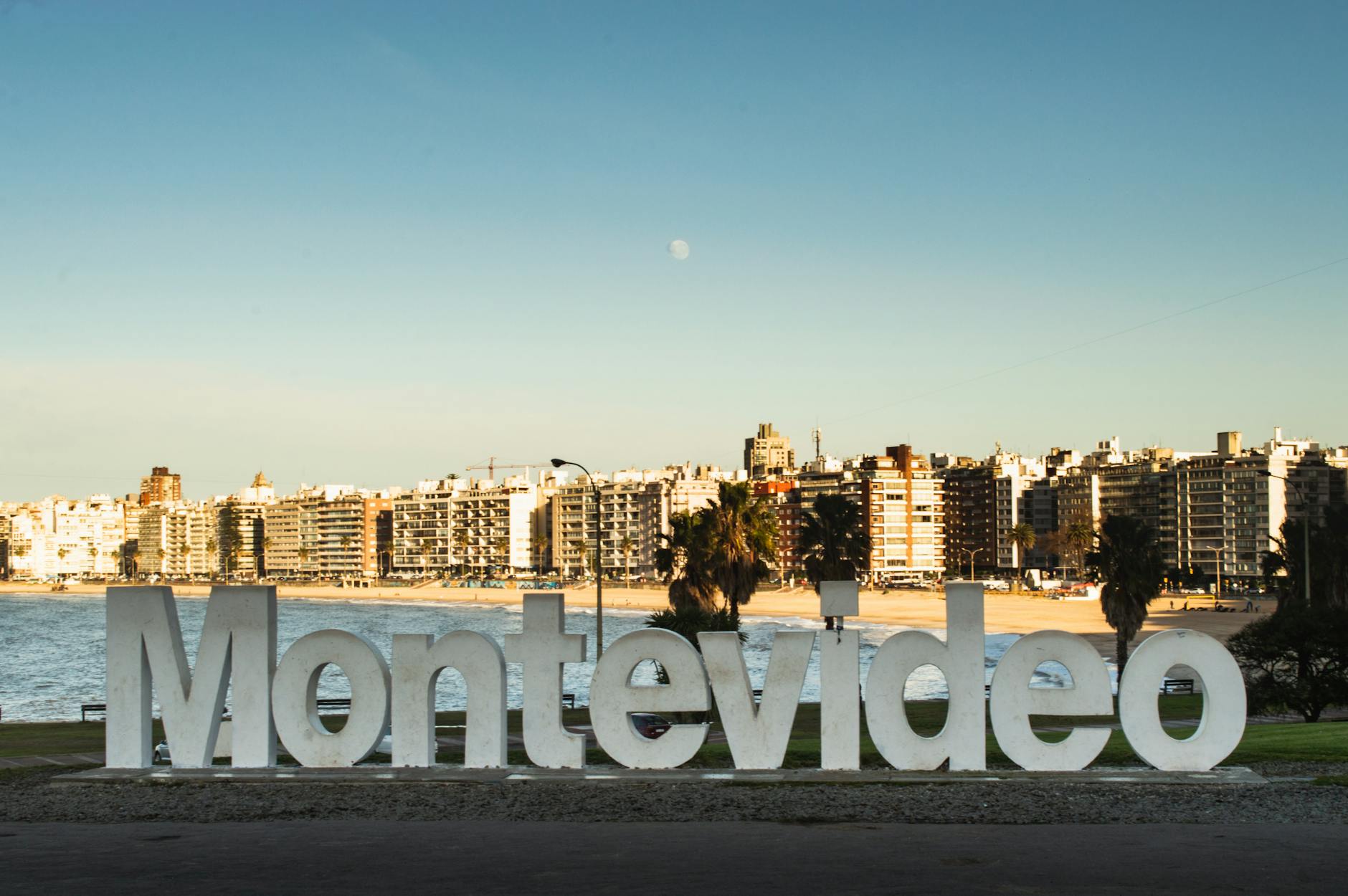
Montevideo is South America's best-kept secret for remote workers. Honestly, it's a little annoying how good it is. The capital of Uruguay sits at the mouth of the Río de la Plata with a 22km waterfront promenade (the Rambla) where locals jog, drink mate at sunset, and completely ignore the fact that they're living in one of the most liveable cities on the continent. Internet infrastructure here is shockingly solid. Uruguay's state telecom ANTEL has been rolling out fiber since before most countries even tried. The city is safe, politically stable, and relaxed in a way that makes you slow down within a week. Cost of living is higher than the rest of South America but lower than Europe, and for that you get excellent public services, no chaos, and a food culture deeply rooted in beef, wine, and Italian immigrant cooking. It's the kind of place you plan to stay two months and end up extending to four.
Key Stats
Best Neighborhoods for Remote Workers
Pocitos is where most digital nomads end up, and for good reason. It's got the beach, a long stretch of the Rambla, supermarkets, cafes with proper WiFi, and a walkable grid that makes daily life easy. Rent is reasonable, there are dozens of apartment options on Airbnb and Facebook groups, and you're never more than 15 minutes from anything. Think of it as the reliable friend of neighborhoods: not flashy, but it never lets you down.
Palermo (not the one in Sicily, different vibes) is Montevideo's creative neighborhood. Murals everywhere, independent coffee shops, natural wine bars, and a younger crowd that's starting businesses and freelancing. If you want coworking culture and the buzz of people actually building things, this is your spot. Cheaper than Pocitos with more character.
Ciudad Vieja is the old colonial quarter: beautiful architecture, slightly gritty, being gentrified slowly. Lots of cultural institutions, the Mercado del Puerto, and a mix of artists and lawyers sharing the same street. Great to explore, fine to stay in if you don't mind a quieter nightlife vibe and slightly patchier WiFi in older buildings.
Punta Carretas is the upmarket option: leafy streets, the converted old prison turned shopping mall (yes, really), and some of the best restaurants in the city. If you're on a longer stay and want quiet comfort over scene, this is the neighborhood.
Coworking Spaces in Montevideo, Uruguay
Sinergia is the most established coworking network in Uruguay with multiple locations around the city. Good community, regular events, reliable fast internet, and the kind of place where you'll actually meet other founders and remote workers rather than just people grinding in silence.
HUB Montevideo focuses on social innovation and entrepreneurship. It attracts an interesting mix of local startups and international remote workers, and feels more community-forward than your average hot desk spot.
WeWork Montevideo (Zonamerica / World Trade Center) is the corporate option if you need a proper address and meeting rooms. More expensive, less personality, but does the job when you need to impress a client on a video call.
What to Eat in Montevideo, Uruguay
This is where we slow down, because Montevideo's food scene deserves actual attention.
Start with the chivito. Uruguay's national sandwich is a beef tenderloin steak, thin and grilled, stuffed inside a bun with ham, mozzarella, a fried egg, bacon, olives, tomato, lettuce, mayo, and sometimes more things. It is objectively too much food and also the best thing. Order it at Bar Roldós in Ciudad Vieja, the oldest bar in Montevideo, where they've been making them since 1924. Get there before 1pm or prepare to wait.
Asado culture here is a religion. Uruguayans consume more beef per capita than almost anyone on earth, and they've earned that record. A proper Uruguayan parrilla isn't just steak. It's an entire procession of short ribs (asado de tira), sweetbreads (mollejas), blood sausage (morcilla), and chorizo before any actual steak arrives. Mercado del Puerto in Ciudad Vieja is touristy but still excellent. Grab a table at one of the parrillas inside, order a cuadril, and eat it with chimichurri and Uruguayan red wine.
The Italian immigrant influence runs deep. You'll find bodegones, old-school family-run trattorias, serving handmade pasta, ñoquis, and milanesa napolitana (a breaded veal cutlet topped with tomato sauce and melted cheese that Italians don't actually make, but Argentina and Uruguay have perfected). Thursday is ñoqui day: the tradition is to put money under your plate of gnocchi for good luck. It's chaos and it's perfect.
Mercado Ferrando and Feria de Tristán Narvaja (Sundays only) are the markets to visit: fresh produce, cheese, charcuterie, and the kind of stalls where you eat standing up and talk to strangers. Tristán Narvaja runs along several blocks of Avenida Dieciocho de Julio and combines a food market, antique fair, and general Sunday chaos all in one. Go hungry.
For coffee, Uruguay has a proper espresso culture. Cortado is the order, not a latte. Café Brasilero in Ciudad Vieja is the oldest café in the country (1877) and worth the visit for the wood-paneled room alone.
And dulce de leche is on everything, in everything, beside everything. Resistance is futile.
Frequently Asked Questions
Is Montevideo affordable for digital nomads?
More affordable than most of Europe, less affordable than Southeast Asia or most of South America. A comfortable month (nice apartment in Pocitos, eating out regularly, coworking membership) runs $1,500–$2,200 USD. Cooking at home and renting outside peak areas can bring that to $1,200.
What's the internet like for remote work?
Good. Uruguay has the best digital infrastructure in South America. Fiber is widely available in the main neighborhoods and speeds of 60–100 Mbps are normal. Coworking spaces are reliable.
How's the digital nomad community?
Smaller and more local-feeling than Buenos Aires or Medellín, but it exists. Palermo and Pocitos have pockets of international remote workers, and Sinergia coworking hosts community events. You'll meet people, but you'll also be mixing with Uruguayan entrepreneurs and professionals rather than a purely nomad bubble, which is better.
Is Uruguay safe for solo travelers?
By regional standards, yes. It's one of the safest countries in South America. Montevideo has normal city-level petty theft (watch your phone on the Rambla at night), but nothing that should make you anxious. Exercise standard awareness and you'll be fine.
Do I need to speak Spanish?
It will improve your experience. English is spoken at hotels and some coworking spaces, but day-to-day at markets, bodegones, and local bars, Spanish is how you get the good stuff. Uruguayan Spanish has a distinctive Italian-influenced accent and some unique slang (cheto, bárbaro) that takes about a week to start catching.
Related Destinations
Loved Montevideo? These might also be your kind of place: